
Draymond Green believes Kobe Bryant’s exclusion from the NBA’s greatest-of-all-time debate comes down to two things: playing alongside Shaquille O’Neal early in his career, and the timing of his prime relative to Michael Jordan and LeBron James.
Speaking directly to O’Neal, Green argued both factors made it harder for Bryant to be seen as the league’s undisputed best for long enough to become a consensus GOAT pick.
His comments have sparked fresh discussion among basketball fans who continue to compare Bryant, Jordan, and James. Green wasn’t questioning Bryant’s greatness; in fact, he named Kobe on his own personal Mount Rushmore of NBA legends during the same conversation.
Why Draymond Green believes timing mattered
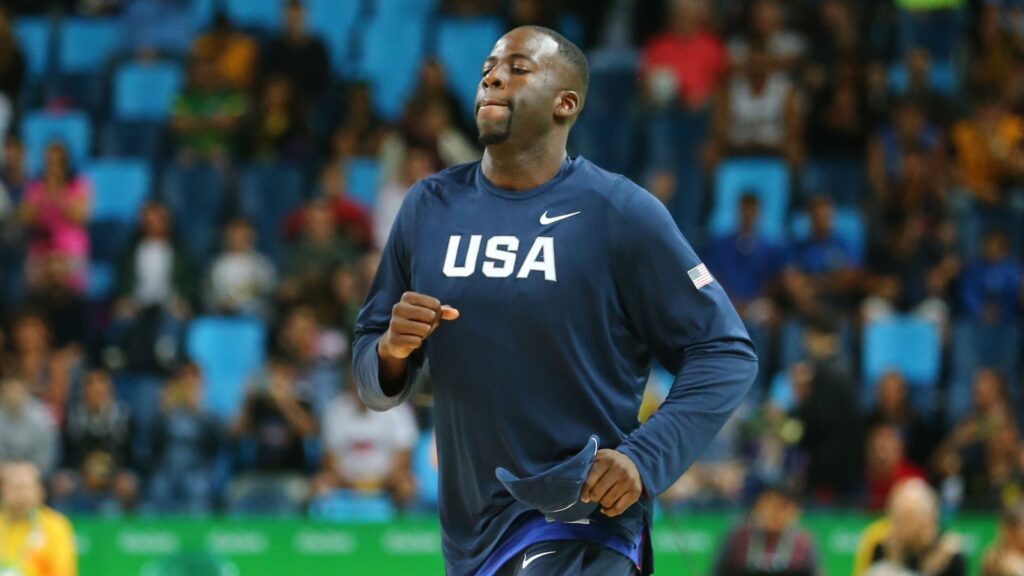
Draymond Green joined Shaquille O’Neal on “The Big Podcast” and explained why he thinks Bryant gets left out of GOAT conversations. Green gave two reasons.
First, he said Bryant “played with you [O’Neal], and people hold that against him,” pointing out that some fans credit the Lakers’ early-2000s championships more to the partnership than to Bryant individually. Second, he pointed to the timing of Bryant’s career and the league’s changing landscape.
According to Green, Michael Jordan’s retirement created an opening that the Lakers quickly filled with their championship run led by O’Neal and Bryant. However, once O’Neal departed Los Angeles in 2004, Bryant entered a challenging stretch just as another future legend was beginning to rise.
Kobe Bryant’s transition after Shaquille O’Neal left
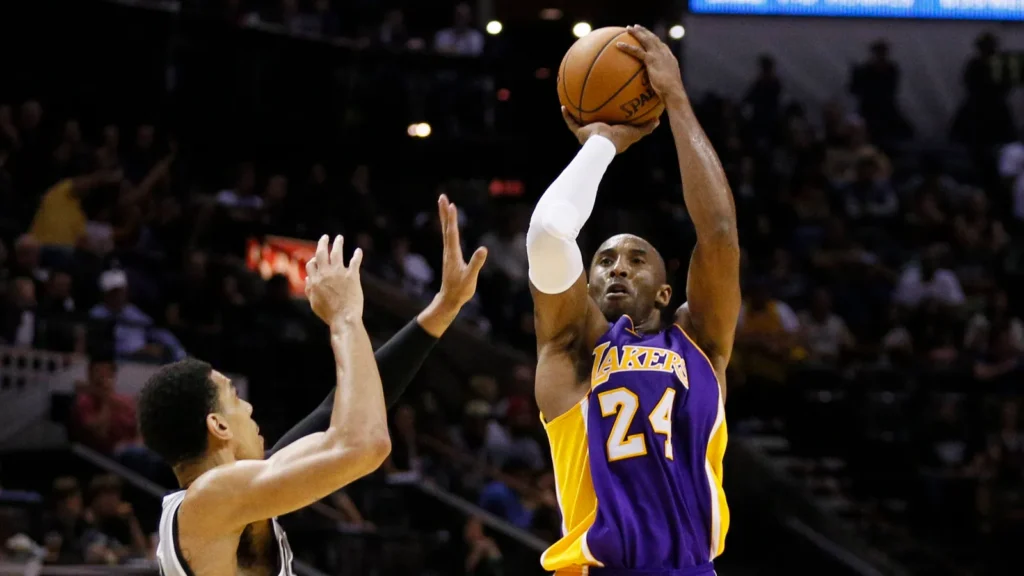
Green reminded O’Neal that Bryant faced one of the toughest stretches of his career after their partnership ended. The Lakers missed the playoffs in 2005 and then suffered first-round playoff exits over the next two seasons despite Bryant delivering some of the best individual performances of his career.
Those years featured memorable scoring explosions, including Bryant’s historic 81-point game in 2006. Yet team success often shapes public perception in GOAT debates, and the Lakers were no longer dominating the league during that period.
Fun fact: Kobe Bryant’s 81-point performance against the Toronto Raptors in January 2006 remains the second-highest single-game scoring total in NBA history, trailing only Wilt Chamberlain’s 100-point game.
LeBron James entered the spotlight at the same time
Green told O’Neal that Bryant’s biggest obstacle wasn’t his own performance but the arrival of LeBron James. As Bryant continued producing elite seasons, James was rapidly establishing himself as the NBA’s next superstar and attracting growing national attention.
Green explained that Bryant may not have held the clear title of the league’s best player long enough for the basketball world to universally place him alongside Jordan in the all-time debate. Once James entered the conversation, discussions about the NBA’s greatest player shifted into what Green described as a continuous “tug of war.”
That perspective has resonated with many fans because Bryant’s peak overlapped with the beginning of James’ remarkable career. Instead of enjoying an extended era without another generational challenger, Bryant shared the spotlight amid a major transition.
Championships brought Bryant back to the top
Bryant’s career changed once the Lakers acquired Pau Gasol during the 2007-08 season. The addition gave Los Angeles another elite player, and the team quickly returned to championship contention after several difficult years.
The Lakers reached three consecutive NBA Finals from 2008 through 2010, winning championships in 2009 and 2010. Those back-to-back titles allowed Bryant to silence critics who questioned whether he could win without O’Neal while strengthening his legacy as one of basketball’s greatest competitors.
Fun fact: Kobe Bryant won two NBA Finals MVP awards after Shaquille O’Neal left the Lakers, reinforcing his reputation as the leader of a championship team.
Why the GOAT debate continues today
Green’s comments weren’t designed to settle the GOAT debate. Instead, they highlighted how historical context influences the way players are remembered. Championships, statistics, longevity, individual awards, and the strength of competition all contribute to these conversations.
Bryant finished his career with five NBA championships, two Finals MVPs, one regular-season MVP award, 18 All-Star selections, and more than 33,000 career points. Those accomplishments place him among the most decorated players the sport has ever seen.
Even so, Jordan’s perfect 6-0 Finals record and James’ unprecedented longevity continue to dominate discussions about basketball’s greatest player. Green suggested Bryant’s challenge was not his résumé but the timing of the other legends’ spotlight.
Fun fact: Kobe Bryant spent all 20 NBA seasons with the Los Angeles Lakers, making him one of the longest-tenured players to remain with a single franchise throughout his entire career.
Green’s comments add another layer to a familiar discussion
The NBA GOAT debate has never centered solely on statistics. Every generation weighs greatness differently, often emphasizing championships, peak dominance, longevity, or cultural impact. Green’s perspective introduced another factor by suggesting that historical timing can shape public perception just as much as on-court achievements.
His conversation with O’Neal also carried added significance because O’Neal experienced Bryant’s career firsthand. Together they won three straight NBA championships before eventually going their separate ways, giving O’Neal a unique understanding of both Bryant’s early dominance and the challenges that followed.
Green’s remarks have fueled fresh discussion without diminishing Bryant’s legacy. Many fans continue to view Bryant as their personal GOAT because of his relentless competitiveness, unmatched work ethic, and influence on generations of players.
Ultimately, the exchange proves that the GOAT debate is less about reaching a definitive consensus and more about honoring the distinct eras that defined the game.
TL;DR
- Draymond Green told Shaquille O’Neal that Kobe Bryant’s GOAT case was affected by two things: playing alongside O’Neal early on, and the timing of his career relative to Michael Jordan and LeBron James.
- Green said some fans credit Bryant’s early championships more to O’Neal.
- Bryant’s career fell between Jordan’s era and James’ rise.
- Bryant endured difficult seasons after O’Neal left before the Lakers acquired Pau Gasol.
- Back-to-back championships in 2009 and 2010 strengthened Bryant’s legacy.
- Green believes Bryant’s greatness is unquestioned; he even named Kobe on his personal Mount Rushmore of NBA legends, but circumstances complicated the broader GOAT conversation around him.
If you liked this story, don’t forget to follow us for more exclusive content.
This article was made with AI assistance and human editing.
If you liked this, you might also like: