FIFA withdraws commercial proposal
Fédération Internationale de Football Association, known as FIFA, withdrew its FIFA Forward Enterprise proposal on July 31, 2026, after UEFA and other confederations opposed transferring interests in FIFA competitions to private investors.
The dispute arose less than 11 months before the 2027 Women’s World Cup begins in Brazil. Several women’s youth tournaments were also scheduled for September, October, and November 2026 across multiple host countries.
FIFA proposal covered major event rights
FIFA proposed creating a subsidiary to oversee broadcasting, sponsorship, licensing, ticketing, hospitality, and tournament operations for major competitions, including the men’s and women’s World Cups, under a single commercial structure worldwide.
The plan involved selling a 20% minority interest to outside investors, raising about $4.2 billion, and valuing the enterprise at $20 billion. FIFA said it would retain control of governance and sporting decisions.
UEFA boycott covered FIFA competitions
UEFA and its 55 national associations unanimously rejected the proposal on July 30, 2026. They said European national teams would not enter FIFA competitions while the plan remained officially active.
UEFA required the complete abandonment of the proposal and binding assurances against future private ownership. Its statement covered FIFA competitions generally, without exempting senior, youth, men’s, or women’s events from the threatened boycott.
FIFA 2027 World Cup faced disruption
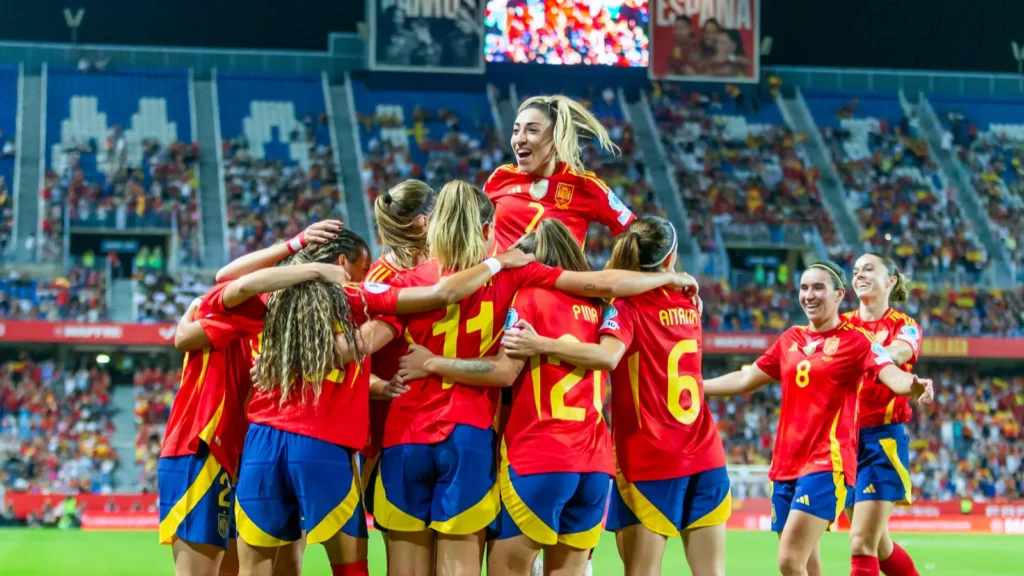
The 2027 FIFA Women’s World Cup will run from June 24 through July 25, 2027, in Brazil. The 32-team tournament gives UEFA 11 direct places, the largest allocation for any confederation.
European qualifying playoffs are scheduled from October through December 2026. A UEFA boycott would have interrupted qualification and created uncertainty for participating teams, broadcasters, organizers, host officials, and tournament planners.
FIFA rankings show Europe’s strength
European teams held six places in FIFA’s women’s top 10 ranking published on June 16, 2026. Spain ranked first, Germany third, England fourth, France sixth, Sweden eighth, and the Netherlands tenth.
A UEFA boycott would have excluded reigning world champion Spain, as well as former champions Germany and Norway. Europe also supplied three of the four semifinalists at the 2023 Women’s World Cup in Australia and New Zealand.
FIFA’s 2023 event earned $570 million
FIFA reported that the 2023 Women’s World Cup generated about $570 million and broke even. The competition expanded its commercial partnership program from 12 partners in 2019 to 30 in 2023.
FIFA recorded $455.9 million in total marketing rights revenue during 2023, but that figure covered the organization’s broader marketing portfolio. It was not revenue attributed solely to the Women’s World Cup.
FIFA payments reached every player
FIFA allocated a record $110 million to participating associations and players at the 2023 Women’s World Cup. Guaranteed player payments began at $30,000 for the group stage and increased with each advancement.
Spain’s association received $4.29 million, while each champion received $270,000. England’s association received $3.015 million, and each runner-up received $195,000 after the final match in Sydney, Australia, during the tournament.
FIFA club payments reached 1,041 clubs
FIFA allocated $11.3 million through its 2023 Women’s World Cup Club Benefits Program. The funding reached 1,041 clubs from 48 member associations across all six confederations after the competition.
The tournament ended in August 2023, and FIFA announced the club distributions in July 2024. Payments covered clubs that released players or supported their development between the ages of 12 and 22.
FIFA youth event faced immediate risk
The FIFA U-20 Women’s World Cup in Poland is scheduled from September 5 through September 27, 2026. The 24-team event will use venues in the cities of Łódź, Bielsko-Biała, Katowice, and Sosnowiec.
European participants include host Poland, England, France, Italy, Portugal, and Spain. UEFA announced its boycott position 37 days before the opening match, creating an immediate risk to participation before FIFA withdrew the proposal.
FIFA sales deck barely mentioned women
The disclosed 25-page FIFA Forward Enterprise presentation mentioned women’s soccer only once, despite placing commercial and operational rights for major FIFA competitions inside the proposed subsidiary and global investment structure.
The limited coverage raised concerns because upcoming women’s competitions would be directly affected by UEFA’s planned boycott. The presentation did not provide a detailed section explaining protections for women’s tournaments or participants.
FIFA expansion raised workload concerns
The enterprise presentation discussed increasing FIFA’s annual tournament activity from about 200 to approximately 450 events. More competitions would have added pressure across club, youth, and senior national team schedules worldwide.
UEFA argued that outside investors would expect financial returns, which could influence future choices about formats and calendars. Women’s soccer already faces scheduling pressure across domestic leagues, continental events, and national tournaments.
FIFA revenue ideas raised access issues
The proposal discussed higher ticket prices, subscriptions, expanded hospitality, and new media products as potential revenue sources. Those ideas formed part of FIFA’s broader strategy to increase commercial returns from major competitions.
Such approaches may increase income, but they also raise questions about access for families traveling across countries. Women’s tournaments depend on affordable attendance to build local followings and sustain interest beyond major events.
As FIFA’s reported $10 billion ultimatum intensifies World Cup tensions, explore what triggered the backlash and why the dispute may reshape decisions surrounding soccer’s biggest tournament.
FIFA reversal leaves open questions
FIFA’s withdrawal removed the immediate threat of a boycott. UEFA’s legal counsel later instructed FIFA officials to preserve documents and communications connected to the proposed commercial enterprise and its internal development process.
UEFA was considering possible legal or regulatory action as of August 3, 2026. Future FIFA proposals will likely face closer scrutiny over consultation, governance, private investment, and protections for women’s competitions.
As Argentina’s final clash fuels demands for action, explore why fans want certain figures removed and what triggered such a strong reaction after the decisive match.
Should FIFA give women’s soccer stronger protections whenever major commercial plans are considered? Share your thoughts in the comments below!
This slideshow was made with AI assistance and human editing.
Read More From This Brand: