Mike Tyson becomes youngest champion
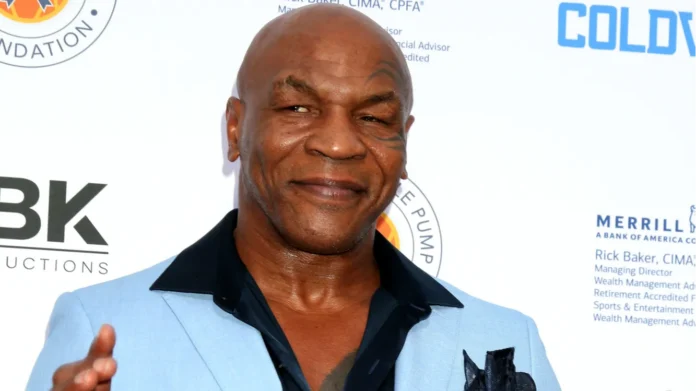
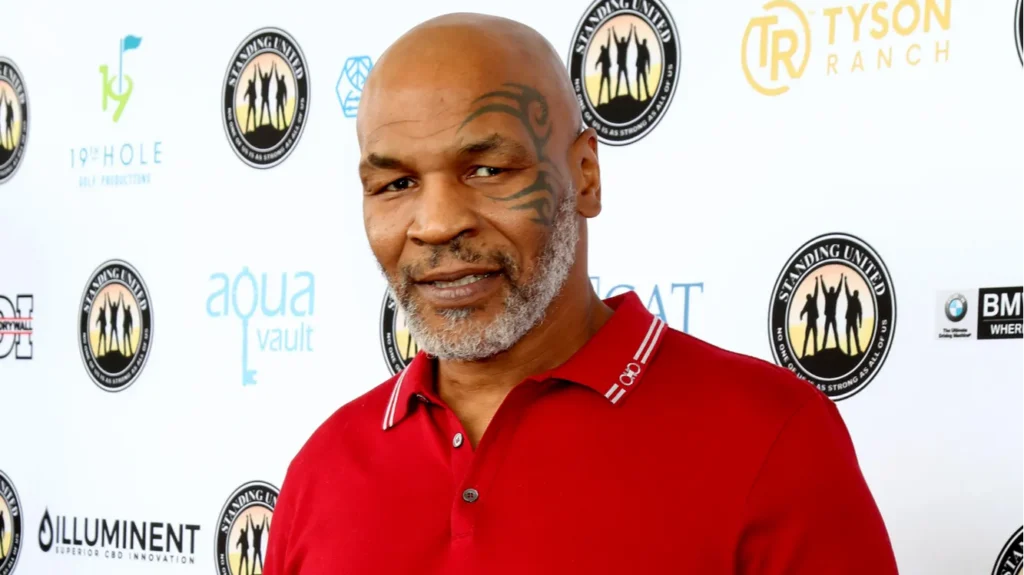
Mike Tyson became boxing’s youngest heavyweight champion on November 22, 1986, defeating Trevor Berbick in Las Vegas at age 20. Tyson later said hypnosis formed part of Cus D’Amato’s mental training during his teenage years.
Tyson’s own accounts place hypnosis within a larger training system rather than proving it caused his championship. D’Amato also built technique, conditioning, confidence, discipline, and repetition into Tyson’s development before the title fight.
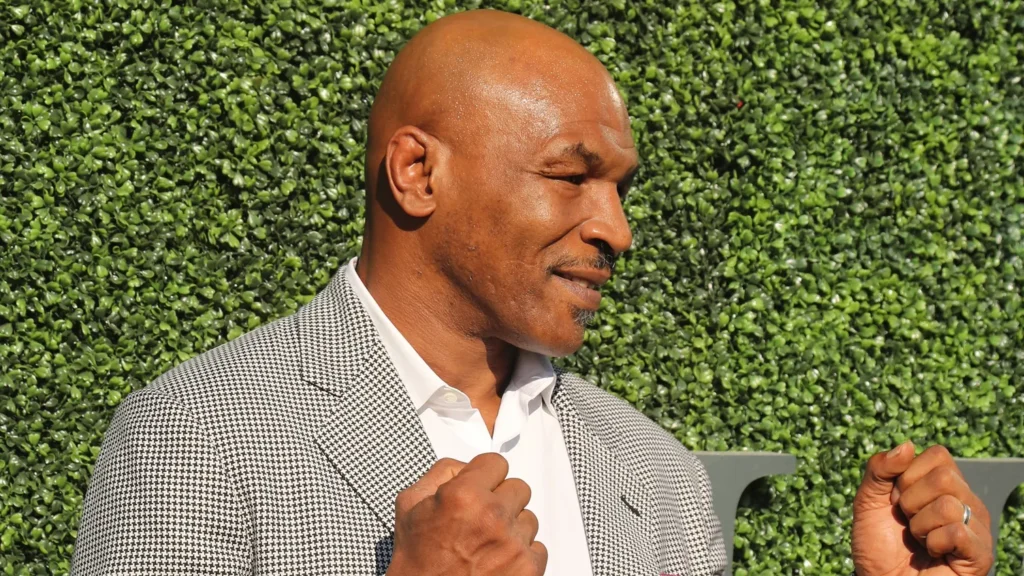
Mike Tyson explains the hypnosis
Tyson described hypnosis as a process of deep relaxation and focused attention. He recalled receiving suggestions to use his jab, work to the body, maintain focus, and approach competition with controlled intensity.
Tyson said the sessions were designed to reinforce a particular mental state before boxing. His accounts describe hypnosis as psychological preparation alongside the technical training he received from D’Amato and other coaches.
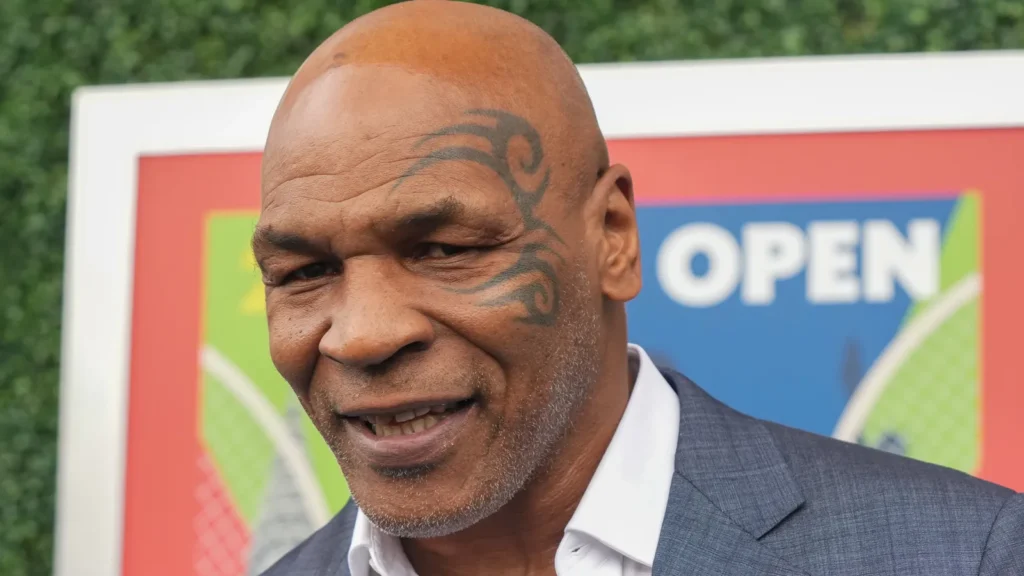
Mike Tyson starts hypnosis as a teen
Tyson said professional hypnosis began when he was roughly 12 or 13. He recalled sessions before sparring, training, and fights, making mental preparation a repeated part of his boxing routine in Catskill.
In later interviews, Tyson said some days included hypnosis two or three times. That frequency shows how heavily D’Amato emphasized psychological preparation alongside roadwork, sparring, film study, conditioning, and technical instruction.
Cus D’Amato trains Tyson’s mindset
D’Amato taught Tyson that fear could be managed and redirected rather than ignored. His broader approach emphasized confidence, emotional control, discipline, and purposeful action beyond the formal hypnosis sessions Tyson later described.
Tyson later credited D’Amato with making difficult goals feel attainable. The trainer repeatedly framed championship success as something Tyson could prepare for through disciplined behavior, technical practice, emotional control, and consistent work.
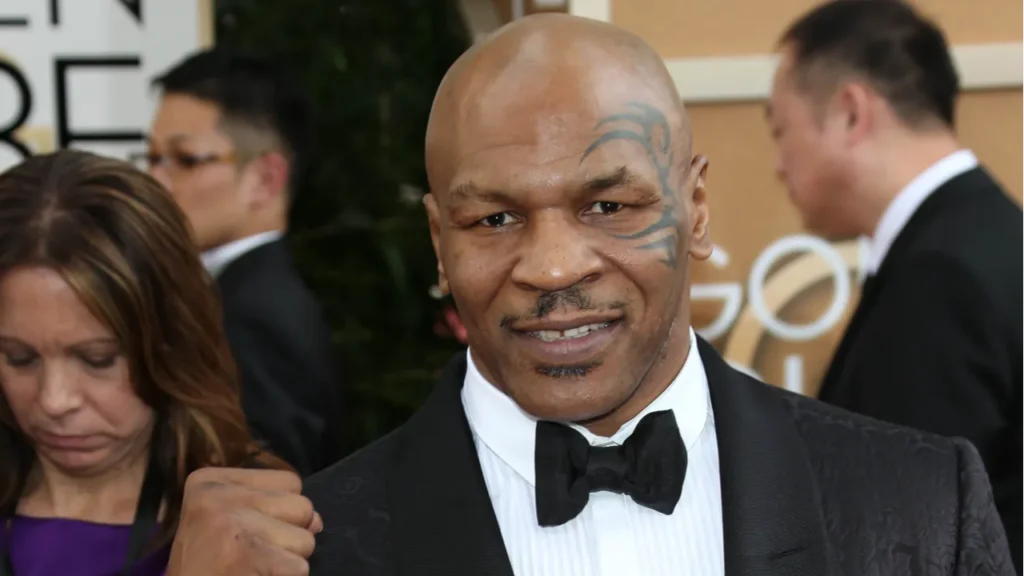
Bobby Stewart connects Tyson with D’Amato
Former boxer Bobby Stewart introduced Tyson to D’Amato after working with him at a New York youth facility. Stewart believed the young boxer needed higher-level coaching and arranged the meeting that changed Tyson’s training path.
Tyson later moved into D’Amato’s Catskill environment, where boxing became part of daily life. D’Amato eventually became his legal guardian and oversaw structured work on technique, conditioning, study, discipline, and competition.
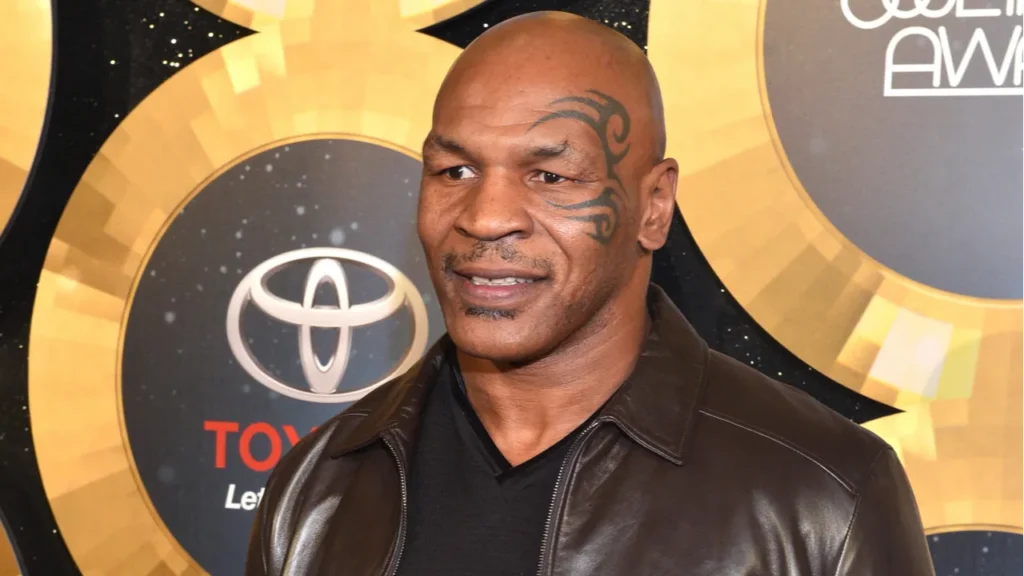
Cus D’Amato predicts Tyson’s future
Tyson later wrote that D’Amato predicted he could become the youngest heavyweight champion after watching him spar as a teenager. That prediction gave Tyson a clear target years before a title opportunity arrived.
D’Amato had already guided Floyd Patterson to the heavyweight championship and José Torres to a light heavyweight title. His experience gave Tyson a trainer who had developed champions and understood elite competition.
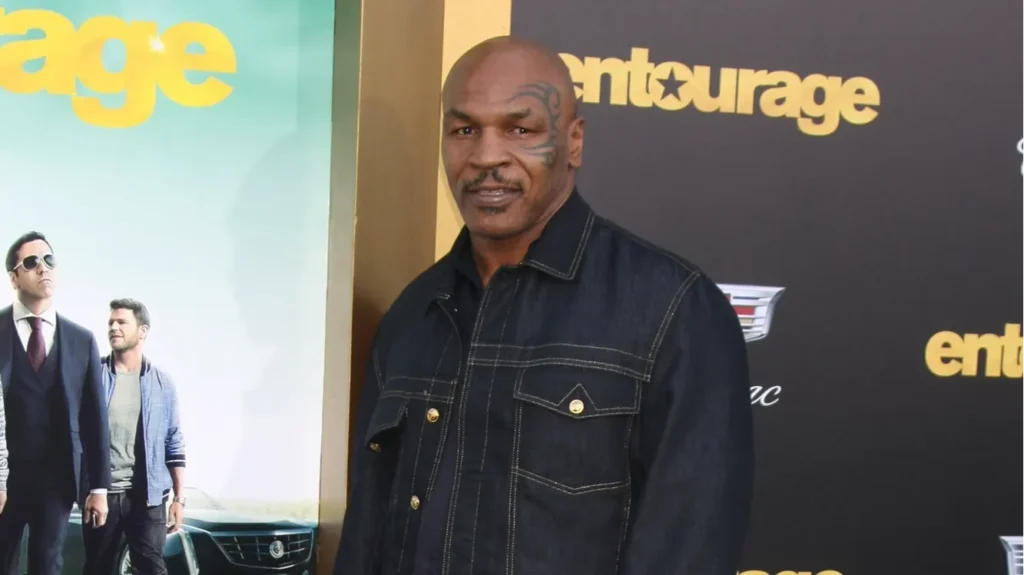
Mike Tyson learns the peekaboo style
D’Amato taught Tyson his peekaboo system, which used a high guard, head movement, compact positioning, and rapid combinations. The approach allowed Tyson to move from defense into offense while staying close to opponents.
Tyson drilled D’Amato’s numbered combinations, defensive movements, and positioning under Kevin Rooney and other coaches. Contemporary descriptions repeatedly identified the D’Amato style as a defining feature of Tyson’s early professional technique.
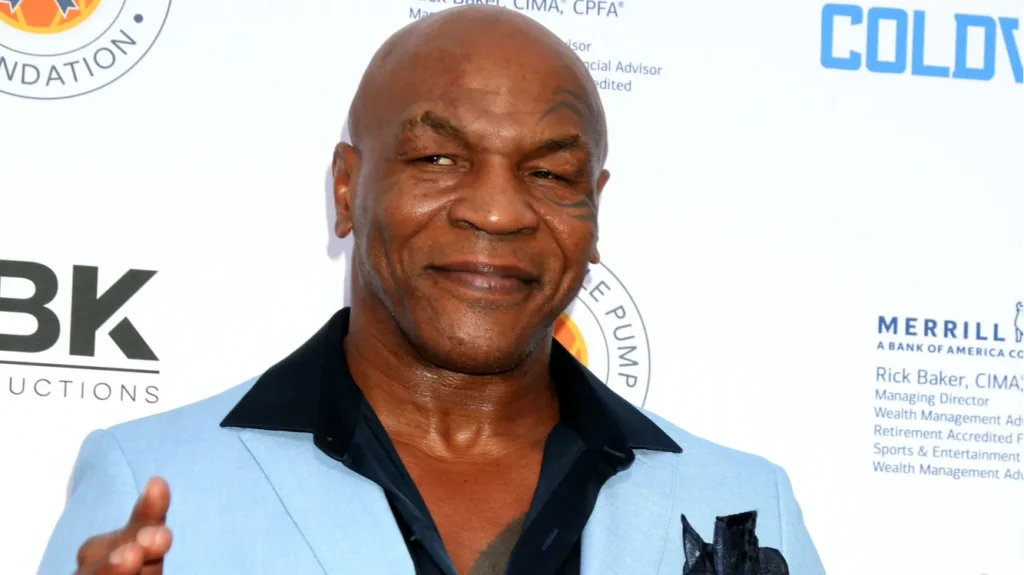
Mike Tyson turns professional at 18
Tyson turned professional on March 6, 1985, at age 18 and stopped Hector Mercedes in the first round in Albany, New York. The debut marked the start of a busy professional year built around frequent competition.
He finished 1985 with 15 victories in 15 professional fights. That schedule gave Tyson repeated chances to apply D’Amato’s system under real conditions while coaches refined timing, defense, combinations, movement, and composure.
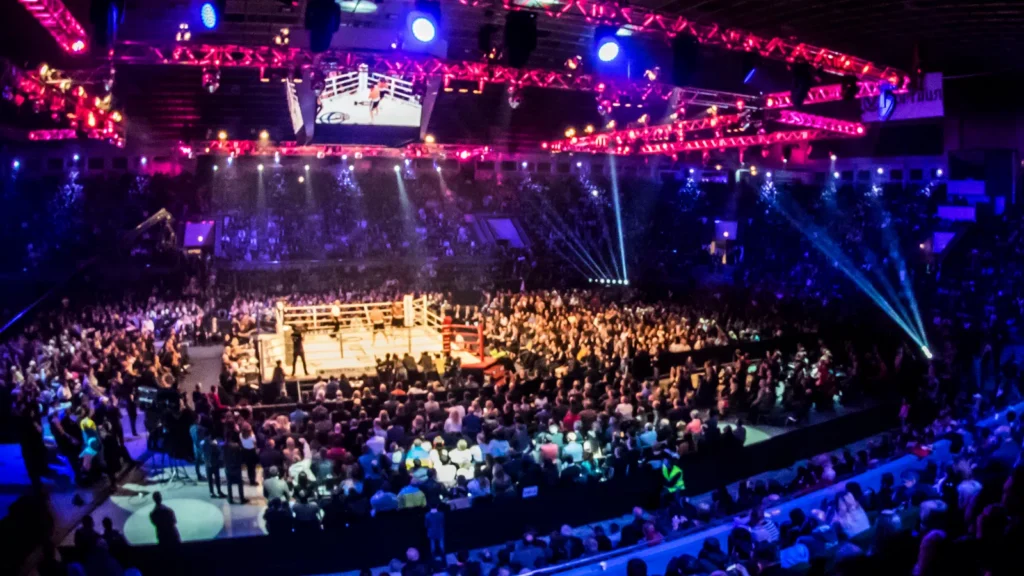
Mike Tyson opens with 19 stoppages
Tyson opened his professional career with 19 consecutive stoppage victories before James Tillis took him the distance in May 1986. None of those first 19 opponents lasted beyond the sixth round.
The run included 10 fights from August 1985 through January 1986, with nine ending in the first round and one in the second. That pace accelerated Tyson’s experience before his title opportunity arrived.
Cus D’Amato passes before Tyson’s title
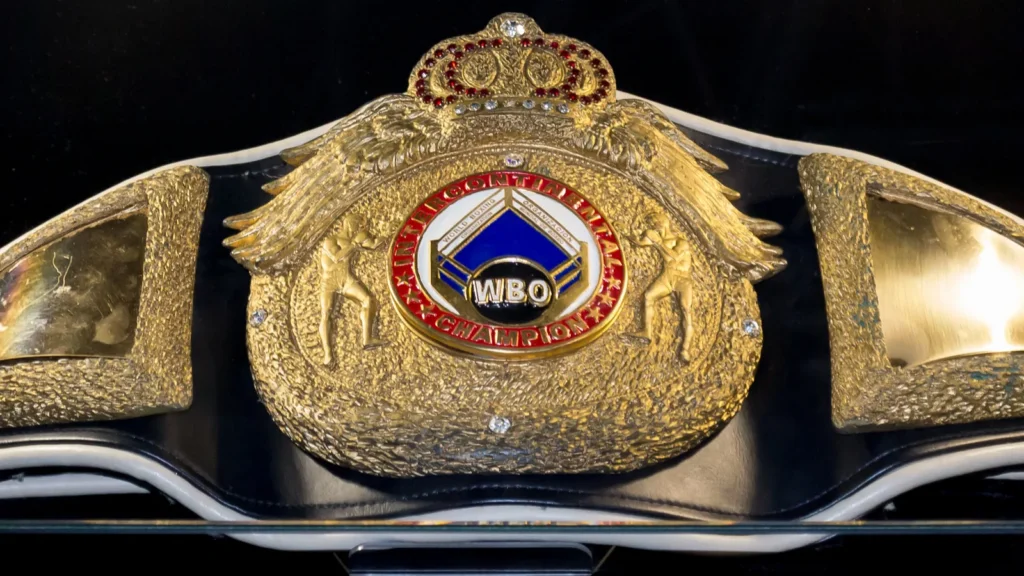
Cus D’Amato passed away on November 4, 1985, more than a year before Tyson won the heavyweight title. Trainer Kevin Rooney continued working within the boxing system developed around D’Amato’s methods.
Tyson kept winning and reached the Berbick fight with a 27-0 record. Rooney’s coaching provided technical continuity while Tyson pursued the championship goal D’Amato had predicted years earlier in Catskill.
Fun fact: Tyson started racing pigeons around age eight or nine, and decades later, he still kept champion birds. Boxing was temporary. Apparently, pigeons were forever.
Mike Tyson defeats Trevor Berbick
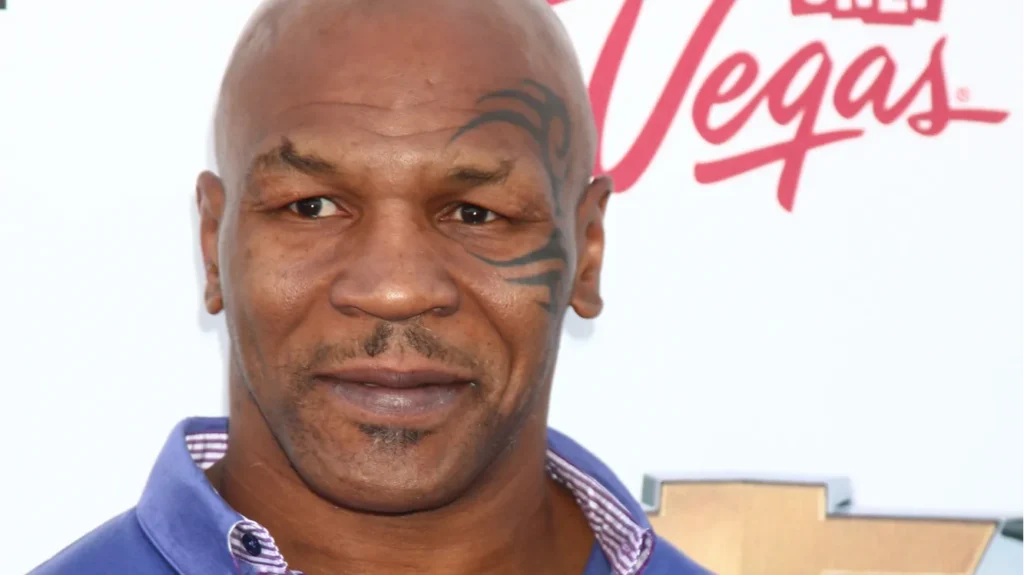
Tyson faced World Boxing Council heavyweight champion Trevor Berbick at the Las Vegas Hilton on November 22, 1986. He won in the second round, capturing the WBC heavyweight title in his 28th professional fight.
The victory made Tyson the heavyweight champion at 20 years and 145 days old. His record as the youngest heavyweight world champion remains intact, with the World Boxing Council still recognizing the achievement.
Mike Tyson breaks Floyd Patterson’s mark
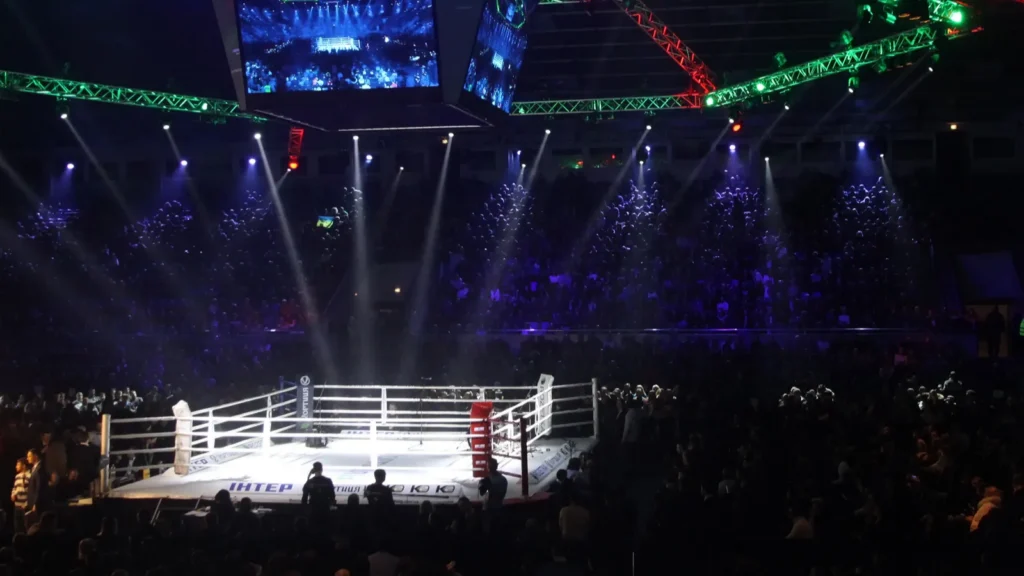
Tyson broke the age record previously held by Floyd Patterson, another heavyweight developed by D’Amato. That connection linked the trainer to two fighters who successively set boxing’s youngest heavyweight championship mark.
Tyson was 20 years, four months, and 22 days old when he defeated Berbick in Las Vegas. The mark remains unmatched, keeping his 1986 victory as boxing’s benchmark for the youngest heavyweight world champion.
As Floyd Mayweather keeps his financial records private, explore what the ruling covered and why the court’s decision may shape the wider dispute.
Mike Tyson expands his championship run
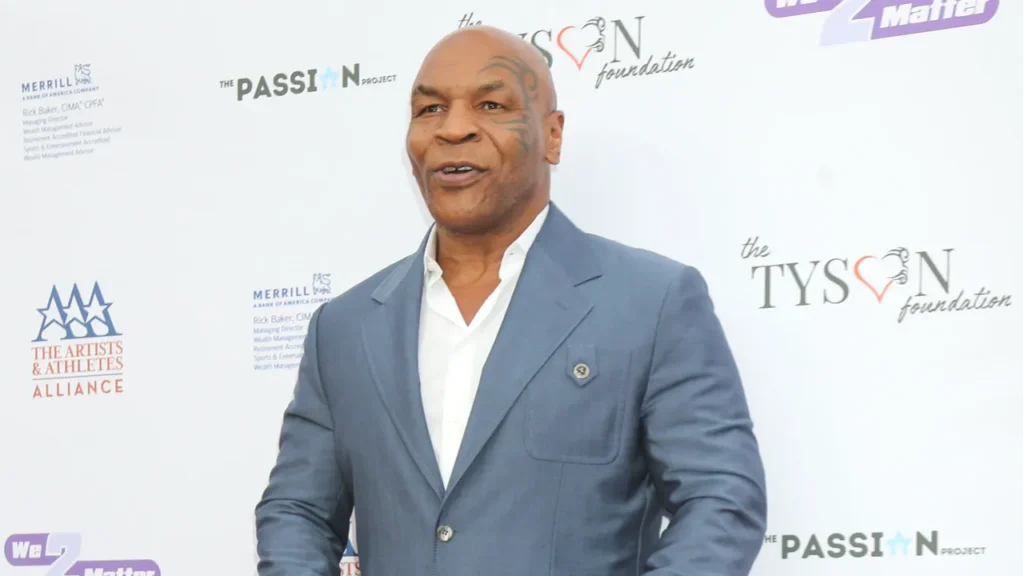
Tyson expanded his championship status in 1987 by defeating James Smith for the WBA belt and Tony Tucker for the IBF title. By August, he held the three major heavyweight championships simultaneously.
Hypnosis, therefore, fits within a broader explanation of Tyson’s rise. His own testimony credits it with mental preparation, while technical training, frequent competition, coaching, and sustained preparation also shaped his development as a champion.
Conor McGregor built his fortune far beyond the UFC, using business ventures, endorsements, and brand ownership to expand his income well outside professional fighting.
Do you think hypnosis gave Mike Tyson a real mental edge, or did disciplined coaching and relentless training matter more? Share your thoughts in the comments below!
This slideshow was made with AI assistance and human editing.
Read More From This Brand: