FIFA withdraws the $20 billion plan
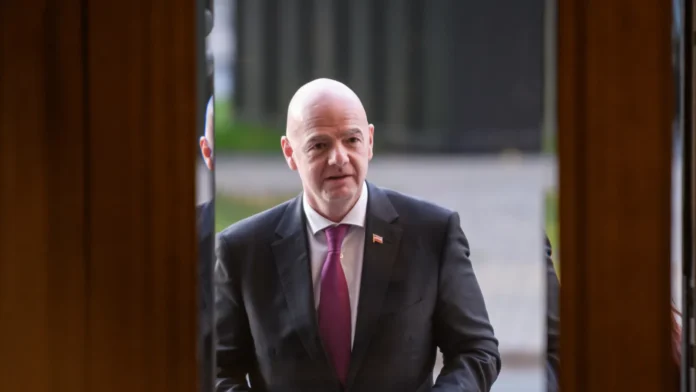
Fédération Internationale de Football Association President Gianni Infantino withdrew the FIFA Forward Enterprise proposal after intense backlash over the plan. The proposal would have placed major commercial and tournament operations inside a new FIFA-controlled company open to minority outside investors.
The reversal followed objections from regional confederations, national associations, senior officials, supporters, and other figures across global soccer. The decision ended the immediate proposal but left major questions about governance, consultation, and Infantino’s leadership.
FIFA proposed a 20% investor stake
FIFA valued the proposed commercial company at about $20 billion. The organization considered selling a minority stake of up to 20% while keeping control of broadcasting, sponsorship, ticketing, licensing, hospitality, and event delivery.
JPMorgan advised on the structure, while reports linked Thrive Eternal, connected to Joshua Kushner, with the investor group. The proposed transaction sought up to $4.2 billion in outside capital for FIFA operations.
FIFA offered members larger payments
FIFA presented the proposal as a major funding increase for all 211 member associations. Under the 2027 to 2030 cycle, each association’s base FIFA Forward allocation would rise from $8 million to $20 million.
Each member could also access an additional $20 million through the optional FIFA Fast Forward Program, raising the potential total funding to $40 million. The proposal did not promise an immediate $20 million payment.
UEFA’s 55 nations opposed the plan
UEFA and its 55 national associations unanimously rejected private ownership interests in FIFA competitions. Europe said its national teams would leave FIFA events while the proposal remained active and binding safeguards were absent.
That position placed leading national teams outside future tournaments, including Spain, Germany, England, and France. Their absence would have reduced the quality of competition, broadcast value, sponsorship demand, ticket sales, and investor interest.
FIFA lost support beyond Europe
CONCACAF and the Asian Football Confederation also opposed the proposal, increasing pressure considerably beyond Europe. UEFA later said Infantino had lost the confidence of world soccer, while CONCACAF welcomed the withdrawal and criticized the process behind the plan.
Opposition across UEFA, CONCACAF, and the Asian Football Confederation covered 143 of FIFA’s 211 members before the plan ended. Because every association holds one Congress vote, broad resistance turned the proposal into a test of leadership.
FIFA faced objections from insiders
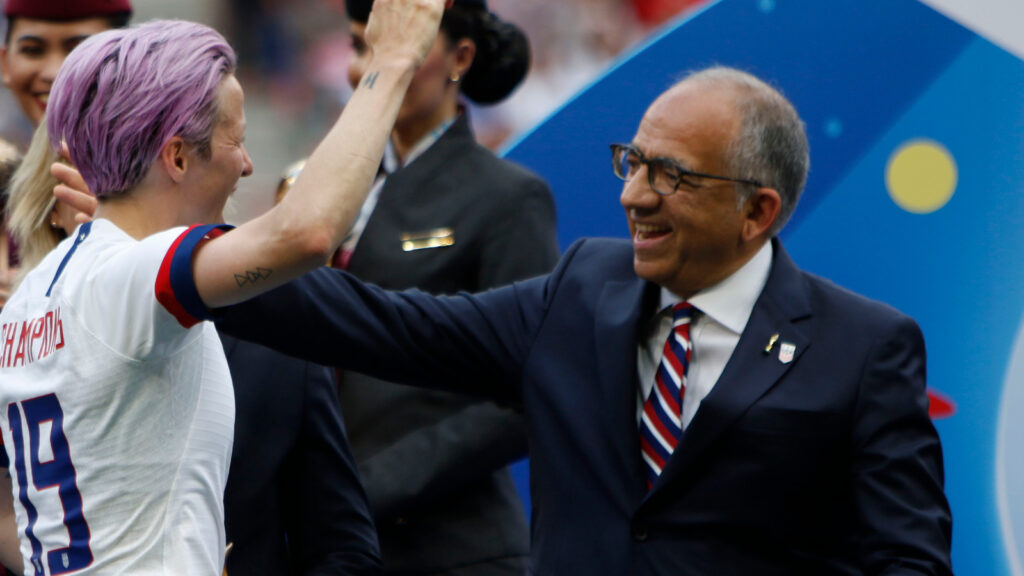
Former United States Soccer President Carlos Cordeiro resigned from his FIFA advisory role during the dispute. FIFA Chief Operating Officer Kevin Lamour also criticized the process, saying staff felt deceived by the way the investor proposal was developed.
Those internal objections mattered because criticism no longer came only from rival confederations. Senior figures connected to FIFA questioned how the project developed, increasing demands for clearer review, documentation, consultation, and executive accountability.
Infantino’s 2027 election is uncertain
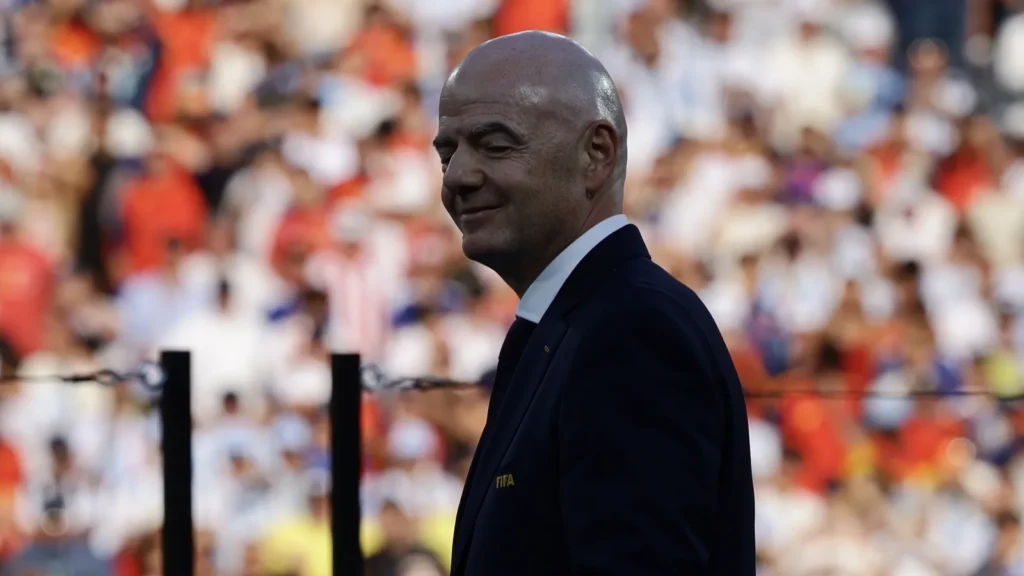
Infantino announced on April 30, 2026, that he would seek another term as FIFA president. FIFA scheduled the election for March 18, 2027, during the organization’s Congress in Rabat, Morocco.
Candidates must submit nominations by November 18, 2026, and secure support from at least five member associations. The remaining months give opponents time to organize, identify a credible challenger, and test Infantino’s support.
FIFA’s smaller members hold influence
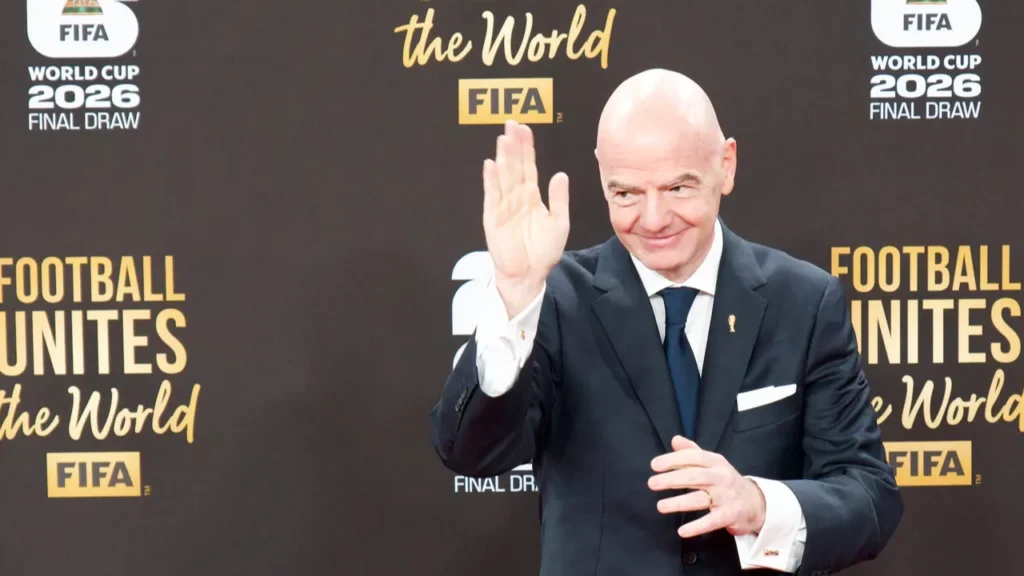
Removing a FIFA president before an election remains difficult because an extraordinary Congress requires formal backing from member associations. Smaller nations may hold decisive influence because all 211 FIFA members receive equal votes.
Development funding can shape that political balance. Vanuatu received $4.15 million through FIFA Forward for a 6,500-capacity national stadium, showing how smaller associations rely on FIFA support for facilities and participation.
Infantino can point to $5 billion
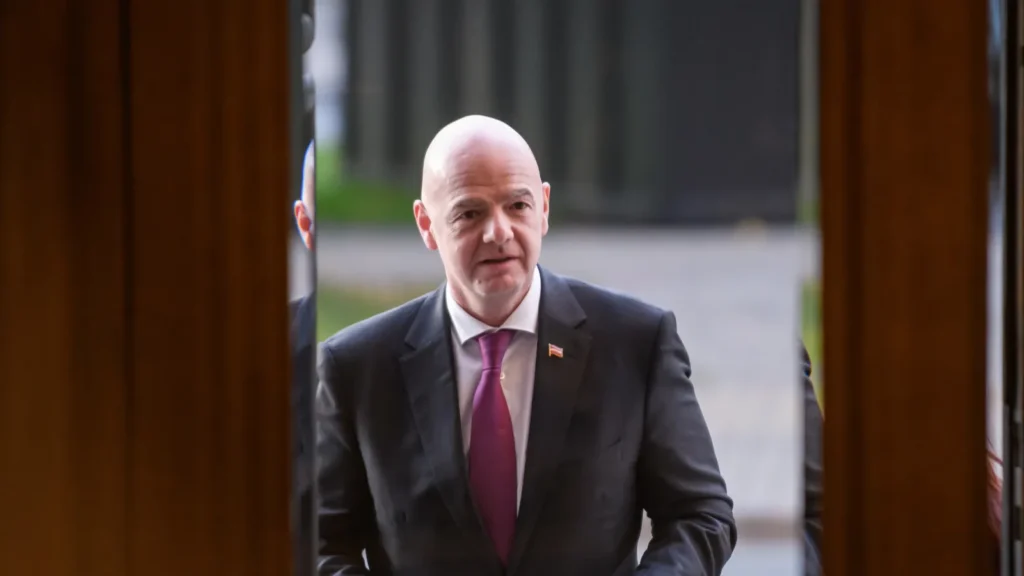
Infantino first won the presidency on February 26, 2016, after Sepp Blatter’s departure. FIFA says the organization invested $5 billion in football development during Infantino’s first 10 years through FIFA Forward and related spending.
That financial record remains one of Infantino’s strongest arguments. Supporters can point to larger development budgets and wider global investment, while critics focus on governance, consultation, commercial control, and decision-making.
FIFA’s revenue assets drove the deal
The proposed company would consolidate FIFA’s main revenue streams into a single structure. Broadcasting rights, sponsorships, tickets, licensing, hospitality, and event operations generated the commercial value behind the planned minority stake.
Critics argued that investor returns could influence calendars, tournament formats, and business priorities. UEFA said outside ownership would create continuing commercial pressure around decisions affecting associations, leagues, clubs, players, and supporters.
UEFA keeps the governance dispute open
FIFA’s decision ended the immediate threat of a boycott, but it did not close the governance dispute. UEFA said rebuilding trust had only begun and demanded answers about how the proposal reached an advanced stage.
UEFA instructed FIFA to preserve documents and electronic records connected to the project. Europe’s governing body also considered possible formal legal action, arbitration, and regulatory complaints over the failed plan.
FIFA expansion faces closer review
The crisis arrived shortly after FIFA completed the 2026 World Cup, its first men’s tournament with 48 teams. Infantino also supported the discussion of expanding a future edition to 64 national teams.
Expansion debates now carry greater political weight because critics link broader competition to commercial pressure. Any future format change would require broader consultation to avoid repeating concerns raised by the private investment proposal.
FIFA’s latest disciplinary action reaches far beyond one team or tournament. Explore why the organization imposed an indefinite global ban on an entire country and what rule violations triggered the decision.
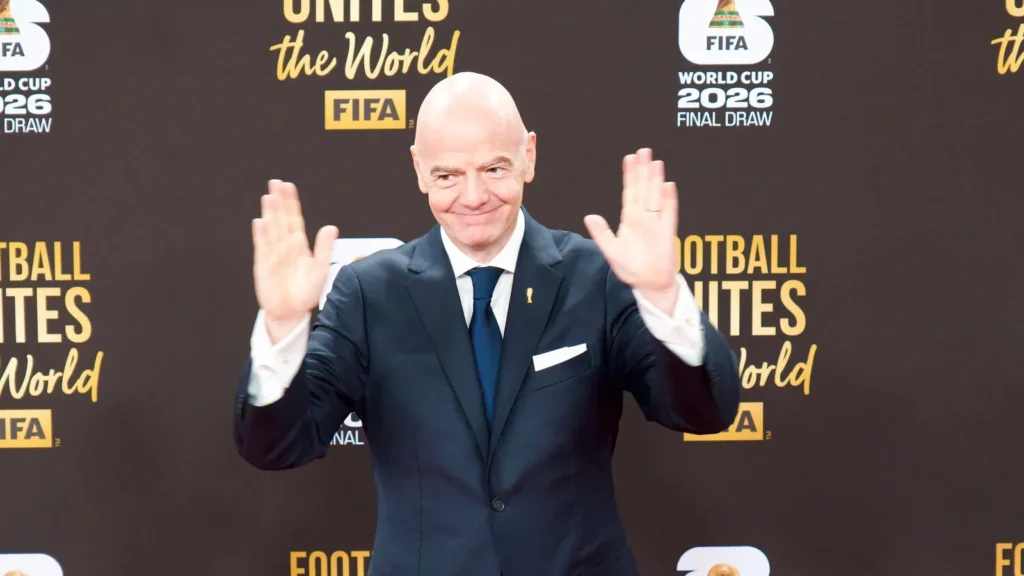
Infantino’s next tests are approaching
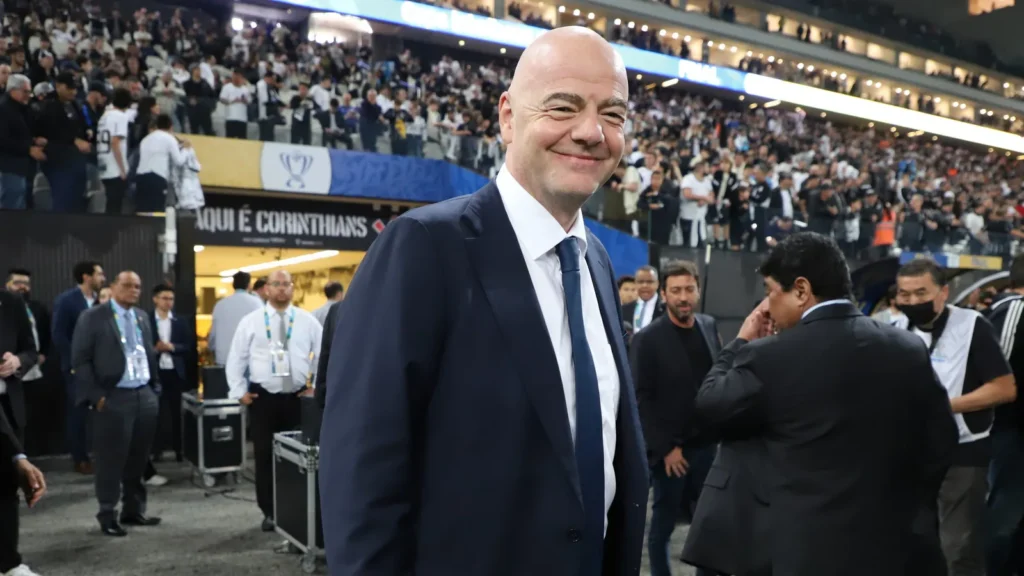
Infantino remains FIFA president and has not withdrawn from the 2027 race. His position depends on whether member associations treat the reversal as a responsible correction or evidence that leadership and oversight require change.
The next clear milestones are the November 18 candidate deadline and the March 18 election in Rabat. Endorsements, rival nominations, legal steps, and confederation statements will show whether Infantino can rebuild support.
Gianni Infantino’s leadership questions extend beyond FIFA’s failed investment plan. Dive into why the IOC declined to investigate the controversy involving Donald Trump and United States forward Folarin Balogun.
Should FIFA leaders allow private investors into World Cup business operations, or should member associations retain full control? Share your thoughts in the comments below!
This slideshow was made with AI assistance and human editing.
Read More From This Brand: