

The quarterback position has transformed dramatically throughout NFL history.
What started as a simple handoff role evolved into the most critical position in professional sports. Each decade brought new techniques that changed how teams moved the ball downfield. From precision pocket passers to dual-threat athletes, quarterbacks continuously pushed boundaries.
Their innovations redefined offensive strategies and captivated millions of fans worldwide. These signal callers turned passing from a risky gamble into an art form that dominates modern football.
Let’s explore how quarterbacks revolutionized the game through creativity, skill, and relentless innovation.
The Birth of Modern Passing with the T Formation
The 1940s introduced a revolutionary offensive scheme that changed football forever.
The T formation placed quarterbacks directly under center for the first time in professional football. This alignment provided signal callers with a better view of the field and more control over play development. Quarterbacks like Sid Luckman mastered this new system with the Chicago Bears during their dominant championship runs.
Sammy Baugh helped pioneer the forward pass as a legitimate offensive weapon during this transformative era. His ability to throw spirals with accuracy made defenses respect the passing game in ways they never had before. Before this decade, passing was considered risky and unreliable compared to traditional ground attacks.

Game-Changing Rules Opened Up the Passing Attack
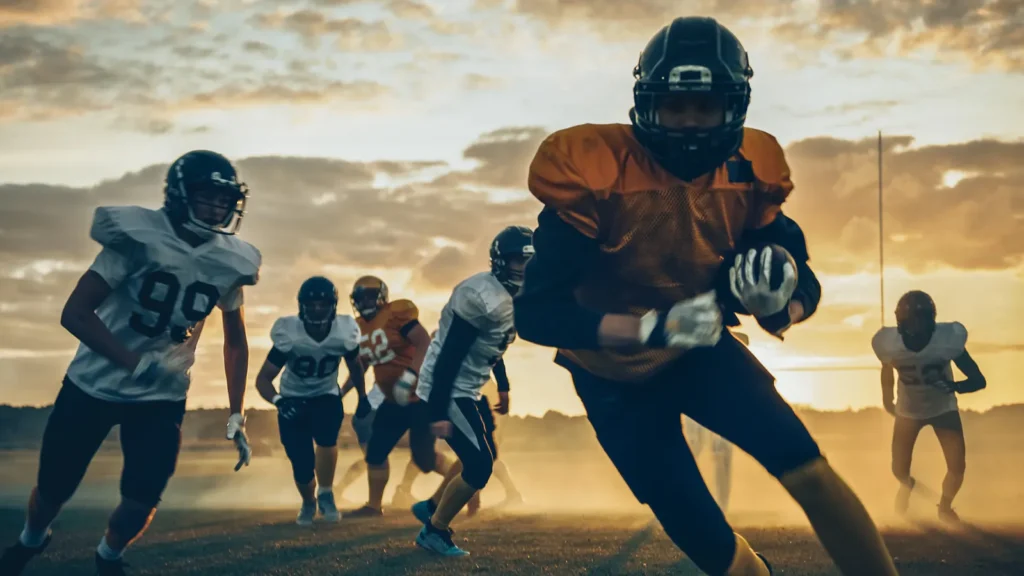
The 1978 rule changes transformed the NFL into a pass-first league almost overnight.
Two major adjustments liberated offenses and created opportunities for quarterbacks to showcase their arms more effectively than ever. Offensive linemen could now extend their arms and use open hands while blocking, rather than employing chicken-wing techniques. This gave quarterbacks precious extra seconds in the pocket to survey defenses and make accurate throws downfield.
The second change restricted defenders from hitting receivers beyond five yards from the line of scrimmage in coverage. Previously, defenders could maul receivers anywhere on the field, disrupting timing and preventing routes from developing properly. These adjustments immediately increased passing yards and touchdowns across the league as quarterbacks exploited their newfound advantages each week.
Sid Luckman Averaged Record-Breaking Passing Yards
Luckman became the first quarterback to dominate through the air in the 1940s era.
In 1943, Luckman averaged 219.4 yards per game passing, nearly 40 yards more than the previous record holder. His performance proved quarterbacks could win championships primarily through passing rather than just managing games and handing off. He threw seven touchdowns in a single game against the New York Giants, a feat unheard of then.
The Chicago Bears quarterback ran complex offenses requiring precise footwork and advanced ball-handling skills never seen before. He led the league in passing yards and touchdowns multiple times throughout the 1940s with consistent excellence. His innovations showed coaches that investing in passing systems and skilled quarterbacks could produce championship-caliber teams consistently.
West Coast Offense Emphasized Timing and Precision
Bill Walsh created a system that prioritized short passes over traditional downfield attacks.
The San Francisco 49ers coach designed an offense using quick, short passes to control possession and move methodically. This approach changed how teams viewed quarterback responsibilities and what physical attributes mattered most for success. Joe Montana perfected the system with exceptional timing, accuracy, and decision-making that became the gold standard.
Quarterbacks no longer needed cannon arms to succeed if they possessed intelligence and precision instead of raw power. The West Coast offense spread throughout the league as teams copied its effectiveness in championship runs. This philosophy proved that smaller, more mobile quarterbacks could thrive when previous eras favored bigger, stronger pocket passers exclusively.
Dan Marino Shattered Expectations With Prolific Passing
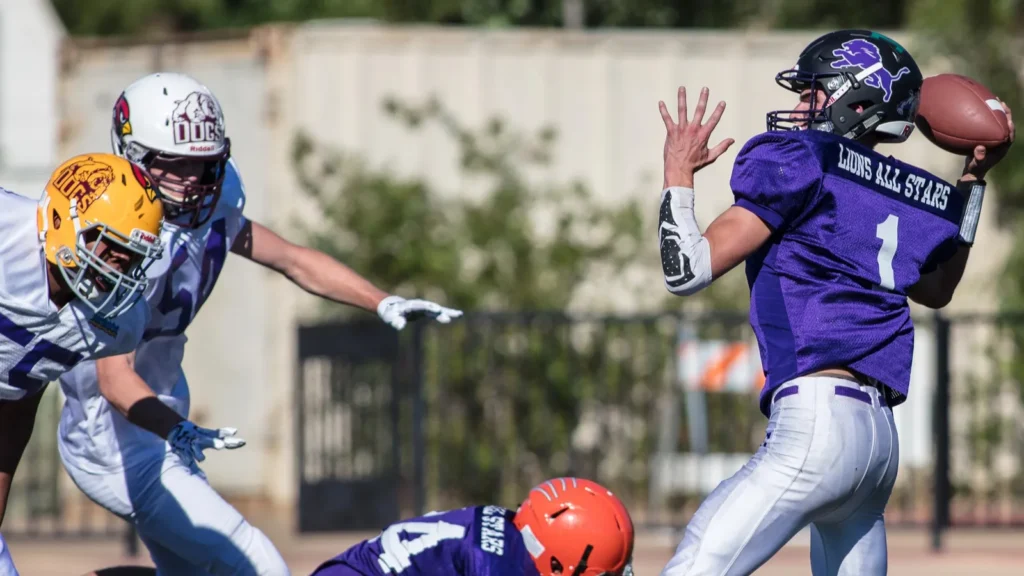
Marino’s 1984 season redefined what seemed possible for a quarterback in one year.
The Miami Dolphins star threw for 5,084 yards and 48 touchdowns in his second season, obliterating previous records. His quick release and exceptional arm strength allowed him to dissect defenses with surgical precision week after week. Marino proved quarterbacks could carry entire offenses without dominant running games or elite defenses behind them consistently.
His ability to read defenses pre-snap and adjust protections revolutionized how quarterbacks prepared for games mentally. Marino called his own plays at the line of scrimmage, a responsibility that required exceptional football intelligence daily. Despite never winning a Super Bowl, his innovations influenced generations of quarterbacks who studied his technique religiously.
Dual-Threat Quarterbacks Added Rushing Dimensions
Mobile quarterbacks forced defenses to account for running and passing threats simultaneously.
Players like Steve Young and John Elway proved that quarterbacks could hurt defenses with their legs effectively, too. Their ability to escape pressure and extend plays created opportunities that pocket passers could never generate consistently. Defenses struggled to contain quarterbacks who could scramble for first downs when passing lanes disappeared completely.
The read option offense utilized quarterback running ability to create numerical advantages against traditional defensive schemes regularly. This innovation required quarterbacks with good decision-making skills and the ability to read defenses quickly, post-snap. Running quarterbacks added complexity that made offensive coordinators’ jobs easier and defensive coordinators’ jobs significantly more difficult weekly.
Spread Offense Created Mismatches Across Formations
College football concepts migrated to the NFL and revolutionized offensive strategies entirely.
The spread emphasized spacing, tempo, and creating favorable matchups by spreading defenders horizontally across the field. Quarterbacks like Peyton Manning and Tom Brady mastered pre-snap reads and audibles to exploit defensive weaknesses. Their command at the line of scrimmage became as important as their arm talent or accuracy.
Run pass options gave quarterbacks the ability to hand off or throw based on defensive alignment instantly. This innovation put immense pressure on defenders to react to multiple possibilities in split seconds without hesitation. The spread offense made traditional defensive strategies obsolete and forced constant adaptation to counter evolving offensive schemes.
Patrick Mahomes Brought Playground Creativity to Stadiums
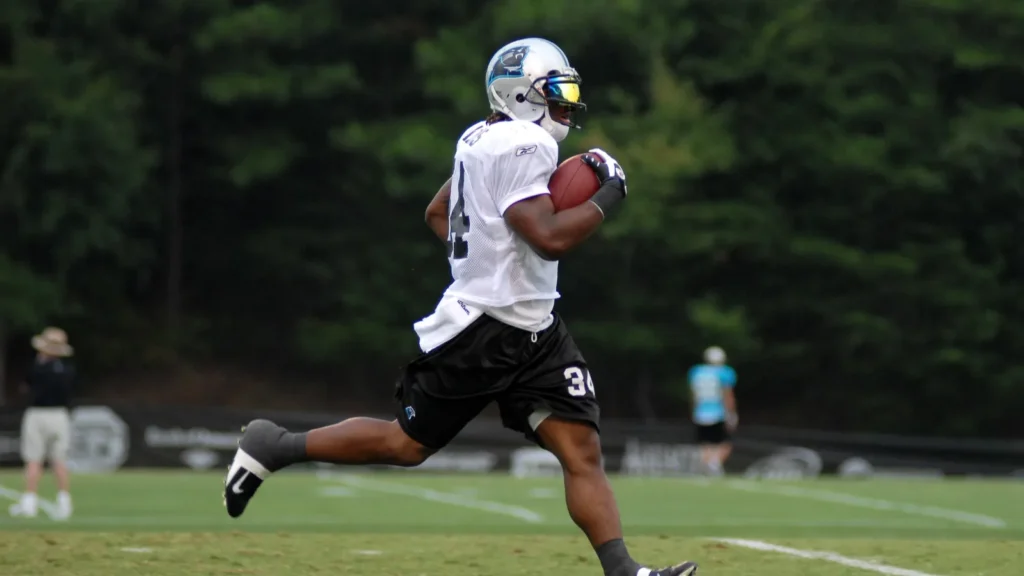
The Kansas City Chiefs quarterback introduced trick throws that seemed impossible in professional games.
Mahomes popularized no-look passes, behind-the-back throws, and sidearm releases that defied conventional quarterback mechanics. His improvisational style combined elite arm talent with exceptional field vision and creativity under pressure consistently. Coaches studied his unorthodox techniques while defenders struggled to predict where passes would come from next.
His willingness to practice unusual throws extensively before attempting them in games showed calculated risk-taking. Mahomes completed passes while parallel to the ground, rolling left or right, and from virtually every arm angle. His approach inspired younger quarterbacks to embrace creativity while maintaining the discipline necessary for championship-level success.
TL;DR
- The T formation in the 1940s gave quarterbacks direct snaps and better field vision.
- Rule changes in 1978 freed up passing by restricting defender contact with receivers.
- Sid Luckman averaged 219.4 passing yards per game in 1943, setting early records.
- Dan Marino threw for 5,084 yards and 48 touchdowns in 1984, shattering expectations.
- The West Coast offense emphasized timing and short passes over traditional downfield attacks.
Read More:
- Breaking down the most dominant NFL defenses of all time
- How NFL Training Camps Have Become a Cultural Event
- The Role of Team Chemistry in NFL Success
This article was made with AI assistance and human editing.