


Baseball’s defensive revolution changed the sport forever before MLB stepped in to restore traditional positioning.
Baseball strategy underwent a seismic transformation when teams started positioning fielders based on data rather than tradition. This analytical revolution promised to change outcomes and challenge how the sport had been played for over a century.
The shift era lasted nearly two decades before Major League Baseball stepped in with new regulations to restore what many considered baseball’s traditional appearance and increase offensive action for fans worldwide. The impact continues to shape today’s game in unexpected ways.
Let’s explore how defensive positioning became baseball’s most debated topic and what happened when the league decided to intervene with sweeping rule changes.
The Birth of the Modern Shift
The Tampa Bay Rays revolutionized defensive positioning in the mid 2000s using advanced statistics.
Former manager Joe Maddon studied sabermetrics and noticed star slugger David Ortiz pulled nearly every ball to the right side of the infield. The Rays stacked extra defenders on that side in 2006, leaving the left side nearly empty and creating a defensive alignment baseball had rarely seen in modern times.
The strategy worked brilliantly as Ortiz’s batting average dropped from over .300 to .265 by mid 2006 when other teams copied the approach. Teams across baseball soon realized analytics could predict where batters would hit the ball with remarkable accuracy, sparking a revolution in defensive positioning that would dominate the next 15 years.


How Shifts Changed Baseball Strategy
Teams used data to position fielders where batters were most likely to hit the ball.
Shifts became most common against left-handed pull hitters who consistently drove balls to the right side of the infield and outfield. Defenders moved from traditional positions to stand in shallow outfield grass or cluster three infielders on one side of second base, fundamentally altering how defense was played.
The tactic spread rapidly throughout baseball as teams invested heavily in analytics departments and tracking technology that measured every batted ball. By 2015, teams employed defensive shifts over 18,000 times compared to just 2,400 times in 2010, representing a massive strategic shift in how teams approached defense and outs prevention.
The Decline of Batting Averages
League-wide batting averages plummeted as shifts became more prevalent and sophisticated throughout baseball.
The composite .243 batting average in 2022 was the lowest since 1968, the famous Year of the Pitcher when the league batted .237 overall. Batting average on balls in play dropped from .300 in 2016 to .290 in 2022, indicating fewer batted balls were finding grass and becoming hits for offensive players.
Left-handed hitters faced the most extreme shifts and saw their opportunities for hits diminish significantly as defenses became increasingly sophisticated. Singles became harder to come by as teams positioned fielders exactly where spray charts predicted batters would hit, turning what should have been base hits into routine groundouts and frustrating offensive players.
The 2023 Rule Change
Major League Baseball banned extreme defensive shifts starting in the 2023 season to increase offensive action.
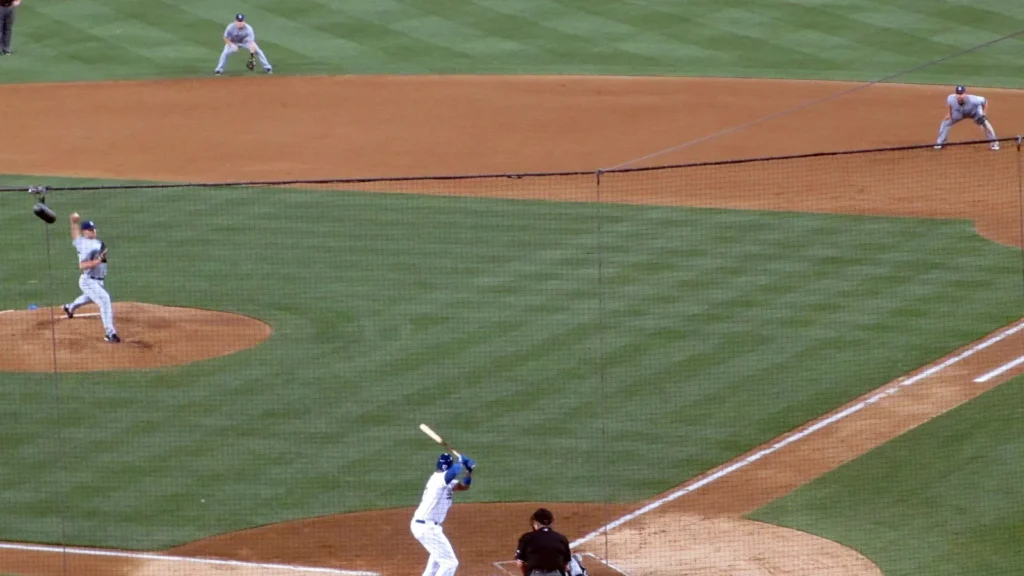
The new rules required two infielders on each side of second base and mandated that all four infielders must have both feet on the infield dirt when pitches are delivered. Teams could no longer stack three infielders on one side or use four outfielder alignments that had become common against certain pull hitters in recent seasons.
MLB explained the change by stating these restrictions would return the game to a more traditional aesthetic by governing defensive shifts. The goals included encouraging more balls in play, giving players more opportunities to showcase their athleticism, and offsetting the growing trend of alignments that featured four outfielders positioned unconventionally.
Immediate Impact on Offense
Batting statistics improved modestly in 2023 after the shift ban took effect across all 30 teams.
The 2023 MLB batting average increased five points to .248, while batting average on balls in play rose seven points to .297 compared to 2022 numbers. All four hit types including singles, doubles, triples, and home runs increased in frequency, suggesting the rule change had some positive effect on offensive production throughout baseball.
Left handed hitters saw the most significant improvements with their batting average and BABIP both rising 10 points in the first season under new rules. However, overall offensive gains were more modest than many experts predicted, leading to ongoing debates about whether the rule change accomplished its stated goals of increasing action.
Long Term Effects Remain Unclear
Analysis suggests the shift ban had less impact than MLB hoped for, increasing overall offensive production.
Research using difference in differences analysis showed the policy increased batting average on balls in play for left-handed batters by nine points, a modest but measurable improvement for players who faced the most extreme shifts. Some individual players saw their performance improve substantially, with on-base percentage gains of over 70 points in several cases documented by researchers.
However, batting averages in 2024 fell back to .242, tied with 1967 for the second lowest in a season since 1908. This suggests other factors like pitcher dominance and hitter approach may have more influence on offensive production than defensive positioning alone, raising questions about whether banning shifts truly solved baseball’s offensive challenges.
The Future of Defensive Strategy
Baseball continues evolving as teams balance traditional positioning with analytics-driven insights under new constraints.
The shift ban represents MLB’s attempt to increase action and restore aesthetics, but pitchers remain too dominant with velocity and breaking stuff for most lineups to string hits together. Teams must now rely more on individual defender athleticism and range rather than pure positioning, which may showcase defensive skills in ways shifts never could.
Whether the shift ban succeeds long-term depends on how teams continue adapting and whether offense rebounds sustainably in the coming seasons. Baseball has always absorbed rule changes gradually, and the current data suggests this change became just another ripple in the sport’s long history of evolution and adaptation to new challenges.
TL;DR
- The Tampa Bay Rays pioneered modern defensive shifts in 2006, using analytics against David Ortiz and other pull hitters.
- Shift usage exploded from 2,400 times in 2010 to over 18,000 times in 2015 as teams embraced data-driven positioning.
- League batting averages plummeted to .243 in 2022, the lowest since 1968, prompting MLB to ban extreme shifts in 2023.
- New rules require two infielders on each side of second base with both feet on the infield dirt when pitches are delivered.
- Batting average rose modestly to .248 in 2023 but fell back to .242 in 2024, suggesting limited long-term impact.
Read More:
- The Importance of Clubhouse Leaders in MLB Success
- MLB’s Greatest Moments Fans Never Forget
- MLB’s iconic home runs that became legendary
This article was made with AI assistance and human editing.