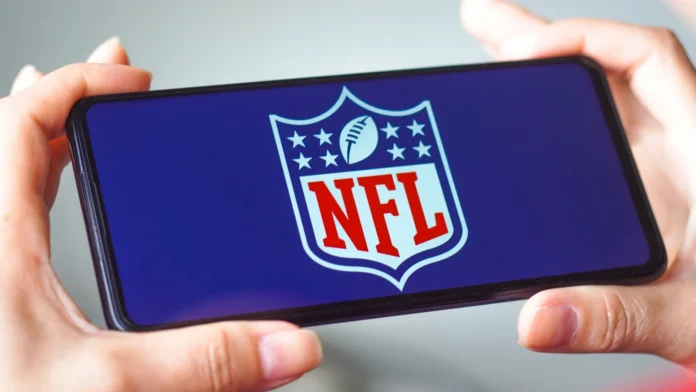
President Donald Trump raised concerns regarding the NFL’s aggressive transition toward digital streaming platforms. His comments drew a response from NFL media executives, who defended the league’s broadcast model.
The intersection of sports broadcasting, government oversight, and fan accessibility has emerged as a major talking point for football enthusiasts nationwide. With multiple games now tucked behind exclusive digital paywalls, the conversation has shifted from standard media rights to consumer fairness.
The issue now goes beyond one political comment. With the NFL spreading games across broadcast networks, cable channels, and streaming platforms, the debate has become about how easily ordinary fans can follow a full season without paying for several different services.
Why federal scrutiny of NFL streaming is growing
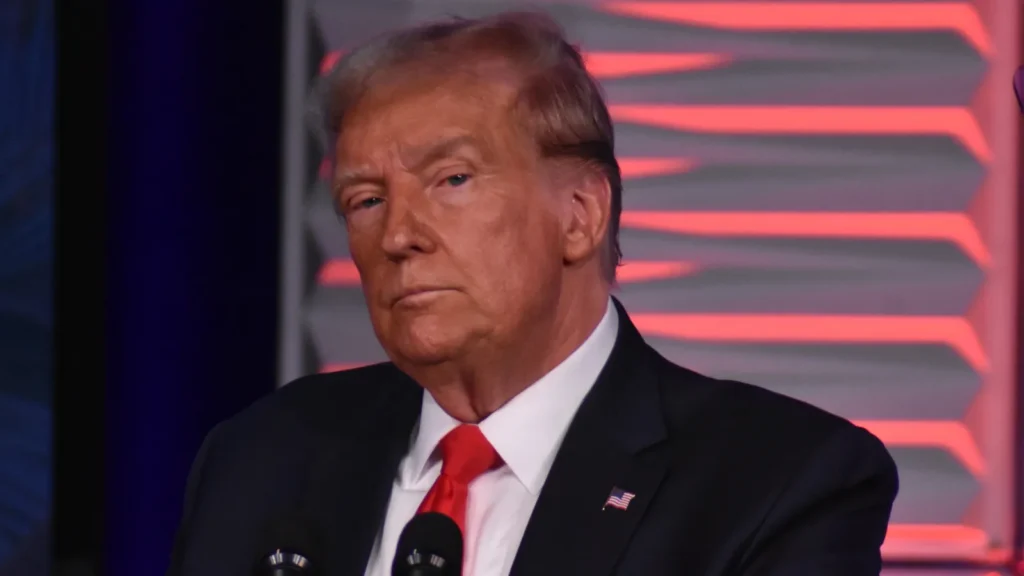
Trump publicly criticized the NFL’s growing use of streaming platforms, while the DOJ and FCC have separately examined whether sports-media distribution is becoming too costly or restrictive for consumers. President Trump warned that the league risks alienating its most dedicated, working-class supporters by forcing them to purchase numerous monthly digital subscriptions.
The president noted that traditional broadcast television previously allowed households to gather seamlessly without financial strain, suggesting that the current model could hurt the sport long-term.
Why streaming has become a political flashpoint
His remarks tapped into a growing frustration shared by millions of traditional television viewers who feel left behind by the digital era. The core of the political argument rests on the idea that football serves as a primary cultural unifier across the United States. When standard broadcast networks lose rights to exclusive digital platforms, certain demographics are inevitably priced out of the experience.
Government officials continue to examine whether these multi-platform media rights packages unfairly restrict consumer access or raise antitrust and public-interest questions under the Sports Broadcasting Act and broadcast-access rules. The administration’s public commentary signals that sports media rights are no longer just a corporate business matter, but a matter of public interest.
How the NFL defended its media strategy
The NFL quickly defended its broadcast architecture by emphasizing that the vast majority of its games remain entirely free on local over-the-air television. League officials regularly point out that their current media policy requires any game carried on a streaming service to be broadcast on free, local channels within the primary markets of the two competing teams.
This rule ensures that hometown fans do not need a broadband connection or a paid app to watch their favorite players on Sunday. Executives maintain that partnering with tech giants allows the sport to reach younger, mobile-first audiences who do not subscribe to traditional cable packages.
Why the NFL says streaming is part of its future
The league views its massive multi-billion-dollar distribution deals as a necessary step to keep the sport financially healthy and innovative. By embedding games into global digital ecosystems, the league believes it is future-proofing its content delivery for the next generation.
Representatives emphasize that the revenue generated from these partnerships directly supports player health initiatives, stadium improvements, and the overall stability of the sport. The league remains firm in its stance that modernizing distribution does not mean abandoning its historical fan base.
Fun fact: The Sports Broadcasting Act restricts professional football telecasts near high school/college games from Friday after 6 p.m. through Saturday, from the second Friday in September to the second Saturday in December, within a 75-mile framework.
Public sentiment and the fan experience
Sports fans find themselves deeply divided between the convenience of modern streaming technology and the rising monthly costs of watching a full season. Online sports communities and call-in radio shows have been flooded with commentary from viewers who agree with the administration’s critique.
Many fans express frustration over having to switch between four or five different applications over the course of a single weekend just to follow the national schedule. This shifting landscape has created a sense of fragmentation, disrupting the classic routine of flipping through standard television channels on Sunday afternoon.
Conversely, tech-savvy viewers appreciate the enhanced features that digital platforms bring to the screen, such as advanced statistical overlays and crisper picture quality. For out-of-market fans, streaming has sometimes made it easier to follow teams without investing in premium satellite television packages. However, the overarching public narrative suggests that the average consumer feels overwhelmed by subscription fatigue, giving the political criticism a strong foothold in the sports world.
Fun fact: The first televised NFL game was in 1939, when NBC aired the Brooklyn Dodgers vs. Philadelphia Eagles from Ebbets Field to roughly 1,000 TV sets in New York; NFL Football Operations says NBC used just two cameras and about eight staffers.
The balance of tradition and tech
The ongoing debate highlights a structural challenge as traditional American institutions transition into a fully digital economy. For decades, professional football built its massive empire on the back of free, accessible network television, establishing a unique bond with the public.
Shifting that foundation toward premium digital storefronts creates an inevitable friction between maximizing corporate revenue and preserving cultural accessibility. The question of whether federal scrutiny will force the league to alter its programming strategy remains unanswered.
As tech companies continue to bid aggressively for live sports properties, the tension between Washington and the league will likely persist. For now, the league appears committed to its hybrid model, balancing massive digital partnerships with local broadcast accommodations.
TL;DR
- President Donald Trump publicly criticized the NFL’s shift toward exclusive digital streaming platforms.
- The administration warned that the league is risking its fan connection by pricing out regular viewers with multiple subscription fees.
- The NFL responded by saying more than 87% of its games air on free broadcast TV and that games remain available over the air in the local markets of the participating teams.
- Fans remain highly divided between the technological benefits of streaming and the burdens of subscription fatigue.
If you liked this story, don’t forget to follow us for more exclusive content.
This article was made with AI assistance and human editing.
If you liked this, you might also like: