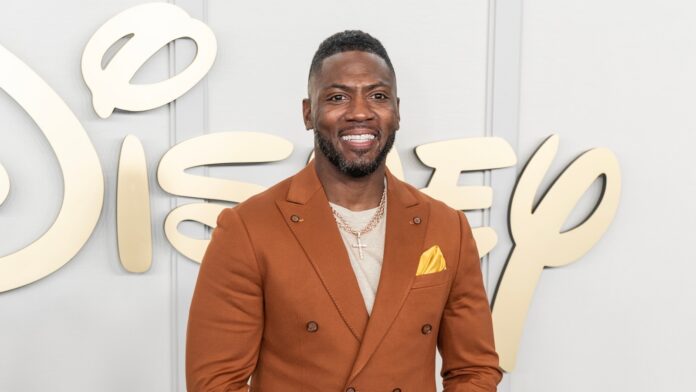
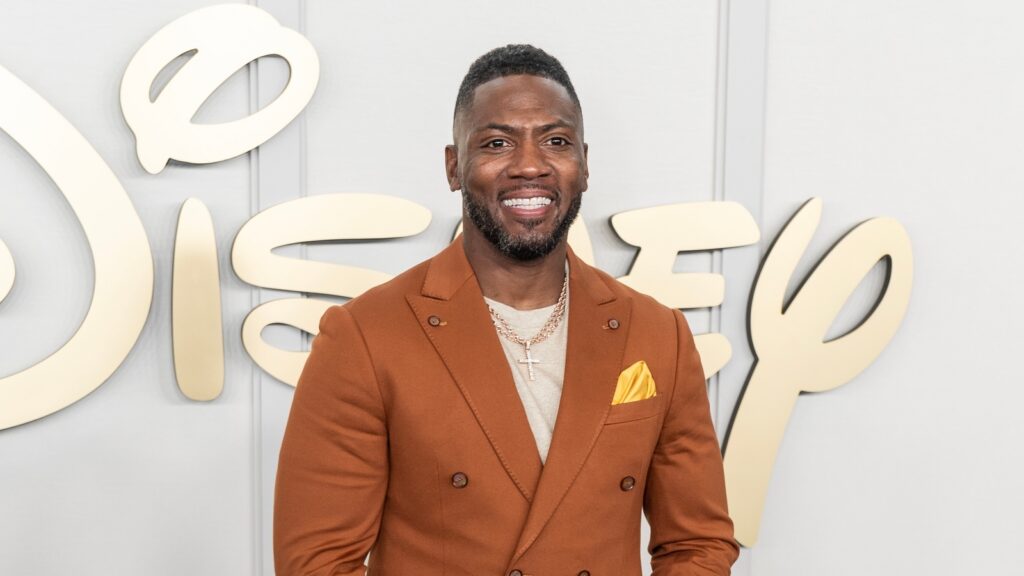
Sports podcasts love a good villain, and this week Ryan Clark found himself starring as one. The former NFL safety turned aimed a pointed jab at WNBA star Sophie Cunningham, sparking instant backlash.
The internet did not stay quiet for very long after that. Fans, players, and fellow media members jumped in fast, turning what looked like a passing comment into a full-blown online controversy within hours.
This clash touches on much bigger themes too: respect, gender debates, and who really controls the WNBA narrative during a defining season for the entire league and its growing group of outspoken players nationwide today.
What sparked the latest debate
The controversy traces back, in part, to comments Cunningham made in an ESPN profile published on July 21. She said she wanted to protect young girls in locker rooms and in sports and argued that they should not have to compete against what she called “biological men.”
The comments came during a broader ESPN interview about Cunningham’s growing public profile and political assumptions surrounding her. They subsequently drew both support and criticism as the national debate over transgender participation in women’s sports continued.
About 3 weeks later, Clark criticized the attention given to off-court WNBA controversies. Without naming Cunningham in his August 11 post, he referred to “divisive gossip from a 9-point scorer” and urged media outlets, league executives and players to put more emphasis on basketball.
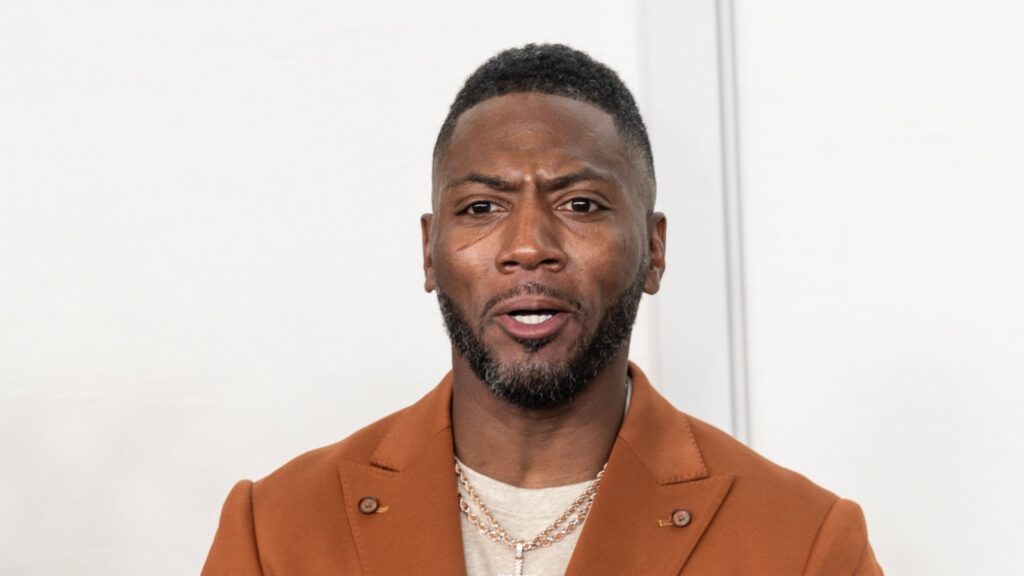
Clark’s “divisive gossip” comment explained
Clark argued that the WNBA had spent 30 years fighting for respect and legitimacy and was now on the verge of a major breakthrough. He said the league had a messaging problem and argued that off-court controversies were receiving too much attention compared with its best basketball stories.
In an August 11 post, Clark referred to “divisive gossip from a 9-point scorer.” He did not name Cunningham, but his accompanying Pivot discussion and the surrounding controversy made it clear that his criticism was aimed at the attention drawn by her comments.
Clark also urged media outlets to spotlight players and teams performing at the highest level. Cunningham’s current scoring average makes the shorthand broadly accurate: as of August 15, she is averaging 8.8 points per game.
Little-known fact: Ryan Clark won a Sports Emmy in 2023 for Outstanding Personality/Studio Analyst, recognition for his work across ESPN’s NFL coverage.
Cunningham’s shooting stands out
Cunningham delivered an efficient performance against the New York Liberty on August 11, scoring 12 points in 22 minutes. She shot 4-for-5 from the field, with all 5 attempts coming from 3-point range.
She finished with a +17 plus-minus, the highest mark of any player in Indiana’s 106-92 victory. Kelsey Mitchell led all scorers with 28 points, while Caitlin Clark added 22 points and 10 assists.
Cunningham’s season-long shooting numbers are even more notable. As of August 15, she is shooting 45.2% from 3-point range. Current leaderboards list Cunningham and Fever teammate Aliyah Boston tied at the top of the WNBA in 3-point percentage.
Fun fact: In the 2018-19 season, Sophie Cunningham was the only player in the entire country to average 17+ points, hit 80+ threes, make 150+ free throws, and grab 200+ rebounds.
Why the debate keeps resurfacing
The WNBA has dealt with several major off-court debates during its recent growth. In September 2025, Minnesota Lynx star Napheesa Collier sharply criticized commissioner Cathy Engelbert and league leadership over issues including officiating, player treatment and accountability.
At the same time, the league’s audience and commercial value have continued to expand. Nielsen reported that the WNBA generated 3.8 billion minutes viewed before the 2026 All-Star break and that sponsor valuation had increased 71%.
That combination of increased visibility and recurring controversies has made debates over league leadership, officiating, race, gender and media coverage more prominent. Clark’s comments fit into a wider argument over whether the WNBA’s growing national audience should hear more about the basketball itself or the cultural and political issues surrounding the league.
What this means for the WNBA
The controversy shows how the WNBA’s rapid growth is exposing the league and its players to more intense scrutiny than ever. Nielsen reported strong increases in women’s sports viewership and sponsorship value in 2026, with the WNBA accounting for billions of minutes watched before the All-Star break.
Cunningham has become a particularly visible example of that shift. ESPN documented how her profile expanded from role player to national personality through viral basketball moments, endorsements, social media, interviews, and debates extending beyond the court.
The league is now trying to navigate those conversations while protecting its basketball product. Amid the current debate over transgender participation, the WNBA has said there is no immediate eligibility issue in the league and has emphasized respectful discussion while addressing growing online hostility toward players.
TL;DR
- Ryan Clark indirectly criticized Sophie Cunningham while arguing that off-court controversies were receiving too much attention compared with WNBA basketball.
- Cunningham’s original comments appeared in a July 21 ESPN profile and included her concerns about protecting young girls in locker rooms and women’s sports.
- On August 11, Cunningham scored 12 points on 4-for-5 shooting from 3-point range and finished with a game-high +17 plus-minus against the New York Liberty.
- As of August 15, Cunningham is averaging 8.8 points per game while shooting 45.2% from 3-point range, tied for the league lead on current percentage leaderboards.
- Clark’s “9-point scorer” description is therefore a fair rounding of her scoring average, even though it does not reflect her elite 3-point efficiency.
- ESPN parted ways with Clark in July after an 11-year tenure with the network.
- The dispute is unfolding as the WNBA experiences major audience and commercial growth alongside heightened debate over issues beyond basketball.
If you liked this story, don’t forget to follow us for more exclusive content.
This article was made with AI assistance and human editing.
If you liked this, you might also like: