

South Korea’s LLWS run has drawn attention beyond its results after repeated bunt-showing tactics sparked criticism from fans. The Asia-Pacific team was eliminated by Canada on Aug. 25, ending a campaign that began with a dominant win over the same opponent.
The tactics prompted debate over whether South Korea was using an aggressive but legal strategy or pushing the boundaries of sportsmanship in youth baseball. The controversy centers on whether a legal tactic crosses a line in youth baseball.
The debate also raised questions about how much strategic pressure is appropriate in youth competition. Little League rules give umpires discretion when judging whether a batter actually attempted to bunt. South Korea’s results and the reaction to its approach became separate parts of the team’s tournament story.
South Korea opened with a statement win
West Seoul (B) Little League entered Williamsport after going 6-0 in the Asia-Pacific regional tournament. The berth was South Korea’s eighth appearance at the Little League Baseball World Series and its first since 2019.
South Korea defeated Canada 7-0 on Aug. 19, getting a solo home run from Ji Hwan Hong and a two-run double from Jae Hyun Maeng. The team collected nine hits and kept Canada scoreless.
The victory gave South Korea an early advantage in the international tournament and showcased its strong pitching and timely hitting. It also set up a rematch with Canada later in the competition.
The plate approach became the bigger story
During the tournament, South Korean batters repeatedly appeared to square around as if they were going to bunt, moving the bat across the plate before pulling it back as the pitch arrived.
The tactic drew attention because it can make a young pitcher hesitate over whether a batter is attempting to bunt. Critics argued that the movement was designed to distract pitchers and encourage them to miss outside the strike zone.
The backlash was driven largely by fan reaction online rather than an official tournament ruling. Reports highlighted viewers describing the approach as “unethical” and questioning whether that style belongs in youth competition.
Is the tactic actually against the rules?
That distinction matters. Little League’s rules do not automatically make a batter’s decision to show bunt and then pull the bat back illegal in baseball.
Little League’s 2026 umpire guidance says a baseball batter must, in the umpire’s judgment, intentionally attempt to meet the pitch with the bat for the pitch to be ruled a strike because of a bunt attempt. The organization also emphasizes that the umpire determines whether the batter actually offered at the pitch.
Criticism of South Korea’s approach is therefore a debate about sportsmanship and youth coaching, not evidence that the team broke a tournament rule. A legal strategy can still divide viewers, especially when used repeatedly by 11- and 12-year-old players.

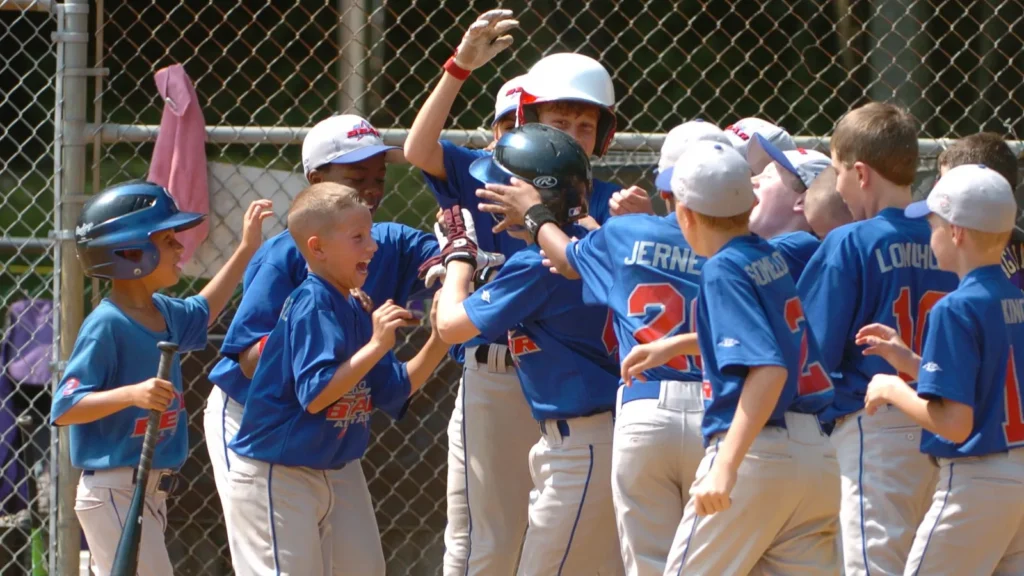
Fun fact: West Seoul (B) Little League was chartered in 2019. That means the 2026 World Series appearance came only seven years after the league’s establishment.
South Korea’s results changed quickly
South Korea followed its opening 7-0 victory over Canada with a 5-0 win over Czechia on Aug. 21. Its offense then slowed against Curaçao, which defeated the Asia-Pacific team 1-0 on Aug. 23.
South Korea moved into the elimination bracket and faced Canada again on Aug. 25. Canada won 5-1 as Jean Ramos and Kian Sandhu combined to hold South Korea to 1 hit, ending West Seoul’s tournament with a 2-2 record.
The result showed how quickly momentum can shift in the Little League World Series. South Korea won its first 2 games before consecutive losses to Curaçao and Canada ended its run.
Canada had already used small ball
The criticism also needs context because bunting itself was hardly unique to South Korea. Canada used multiple bunt attempts during its 3-2 elimination victory over Panama on Aug. 24.
Canada’s Lucas Izen fouled off three bunt attempts before a wild pitch helped move the automatic runner to third. Connor Matsuda later laid down a bunt that contributed to Canada’s go-ahead sequence.
That illustrates the difference between bunting as a strategy and criticizing how a batter presents the bunt. South Korea’s critics focused on the repeated bat movement before pitches.
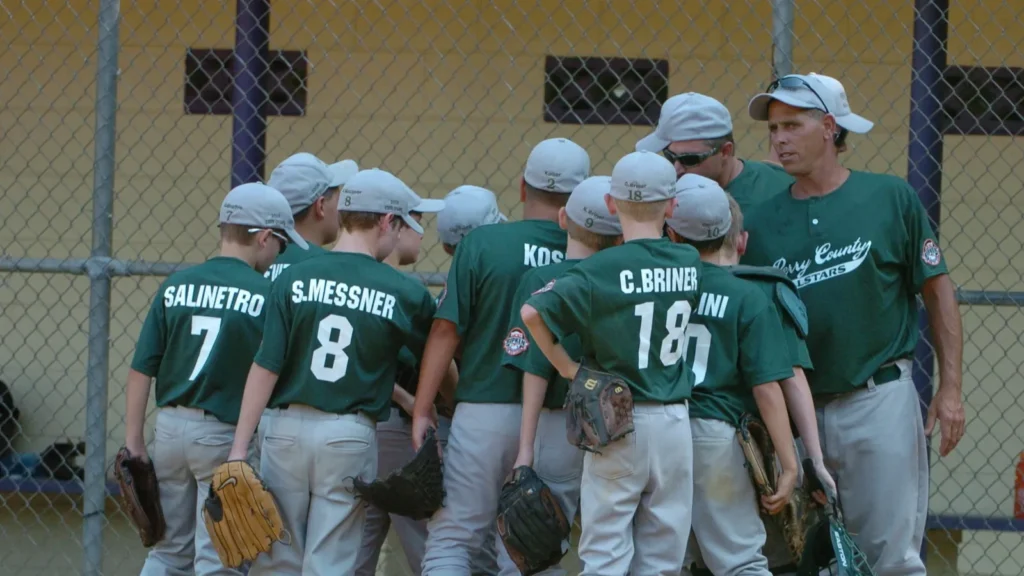
Fun fact: The 2026 Little League World Series expanded to a 20-team field, with 10 teams representing the United States and 10 representing international regions. The tournament began Aug. 19 in Williamsport.
Why the backlash is likely to linger
The South Korea controversy highlights a broader question about what youth baseball should look like. Competitive teams naturally search for ways to pressure pitchers, but Little League also emphasizes character, courage, loyalty, and player development.
For some viewers, the tactic looked like smart small-ball baseball. For others, it looked like a strategy built around exploiting young pitchers’ uncertainty. There is no confirmed finding that South Korea violated tournament rules through the tactic. The approach drew public criticism during the team’s tournament run and continued to be discussed after Canada eliminated South Korea 5-1.
South Korea’s 2026 LLWS campaign will be remembered for more than the controversy. It won its regional tournament, opened Williamsport with a 7-0 victory, and returned after a seven-year absence. The backlash shows how closely fans scrutinize how youth teams pursue results.
TL;DR
- South Korea reached the 2026 LLWS after a perfect 6-0 Asia-Pacific regional run.
- The team opened with a 7-0 victory over Canada before losing 1-0 to Curaçao.
- Canada eliminated South Korea 5-1 on Aug. 25.
- Fans criticized South Korean batters for repeatedly showing a bunt and pulling the bat back before pitches.
- Little League rules do not automatically deem this baseball tactic illegal.
- The controversy centers on sportsmanship, strategy, and youth development.
If you liked this story, don’t forget to follow us for more exclusive content.
This article was made with AI assistance and human editing.
If you liked this, you might also like: