


The box score is a beautiful lie when it comes to measuring hockey defensemen. When casual fans scan the morning summaries to see which blue-liners dominated, their eyes automatically drift to the classic goals, assists, and plus-minus columns.
While those figures look great next to flashy, high-scoring modern skaters, they completely ignore the blue-collar brick walls who protect the crease. True defensive mastery is carved out in the shadows of the ice, utilizing critical micro-actions that traditional box scores never capture. Let’s take a closer look.
What is a blue-line zone denial?
A zone denial occurs when a defending player successfully stops an opposing forward from carrying the puck across the blue line. When an oncoming attacker flies through the neutral zone, a top-tier defenseman relies on dynamic gap control to shut down the play before it turns dangerous.
This means maintaining a precise physical distance to force the attacker into turning over the puck or dumping it weakly into the corner.

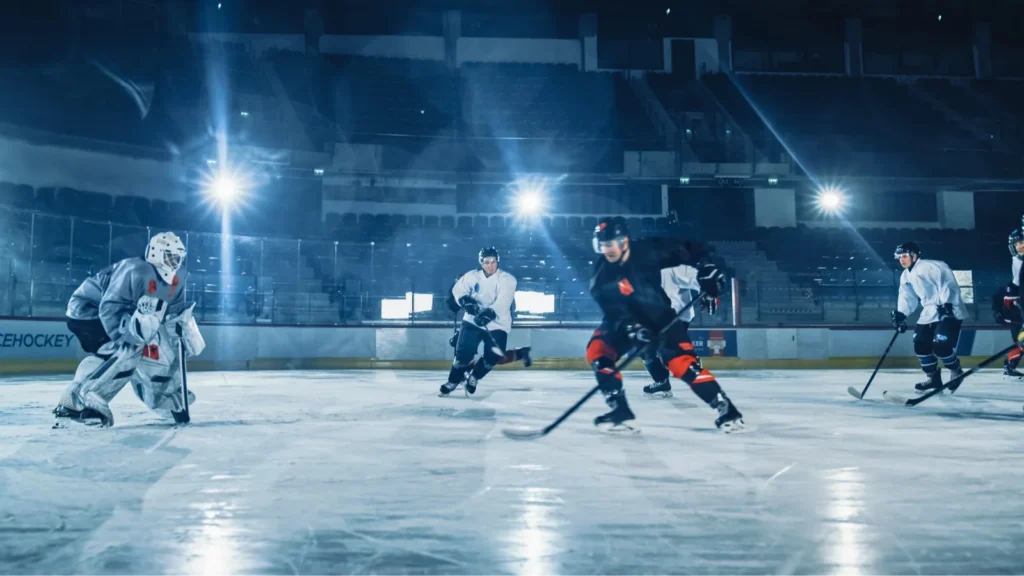
Advanced tracking micro-stats reveal that elite defensive defensemen routinely break up transitional plays by sticking their blades directly into passing lanes. By erasing clean entries, these players insulate their goaltenders from facing high-danger rush chances.
Fun fact: The standard NHL blue line is exactly 12 inches wide, making it a critical strategic boundary for defensemen to defend.
How do puck retrievals jump-start the offense?
Successful defensive-zone puck retrievals are the invisible catalyst behind every dangerous counterattack in modern hockey. When an opposing team dumps the puck deep into the zone, the defenseman must race backward under immense, physical pressure from hard-charging forecheckers.
Winning that initial footrace is only half the battle; the defender has to absorb a heavy body check while keeping his eyes up to anchor the escape.
A clean, crisp first pass out of the zone immediately neutralizes the opponent’s offensive pressure and changes the game’s momentum. Blue-liners who excel at parsing options under duress protect their team from grueling, exhausting defensive-zone shifts.
Fun fact: Only eight NHL players have reached 2,000 career blocked shots since the league started tracking the stat in 2005-06.
Why is net-front battle dominance essential?
Clearing out the low slot and establishing net-front supremacy directly determines a team’s defensive success. While highlight reels focus on goal-scoring snipers, the brutal war for physical territory in front of the crease unfolds during every single shift. Strong defensemen use their size, strength, and lower-body leverage to box out opposing forwards who try to screen the goaltender.
By eliminating screens and tying up sticks, these players give their goalies a clear line of sight to track incoming point shots. This unheralded physical work completely takes away dangerous second-chance rebounds and tips, which account for a massive percentage of goals scored.
How does stick positioning alter passing lanes?
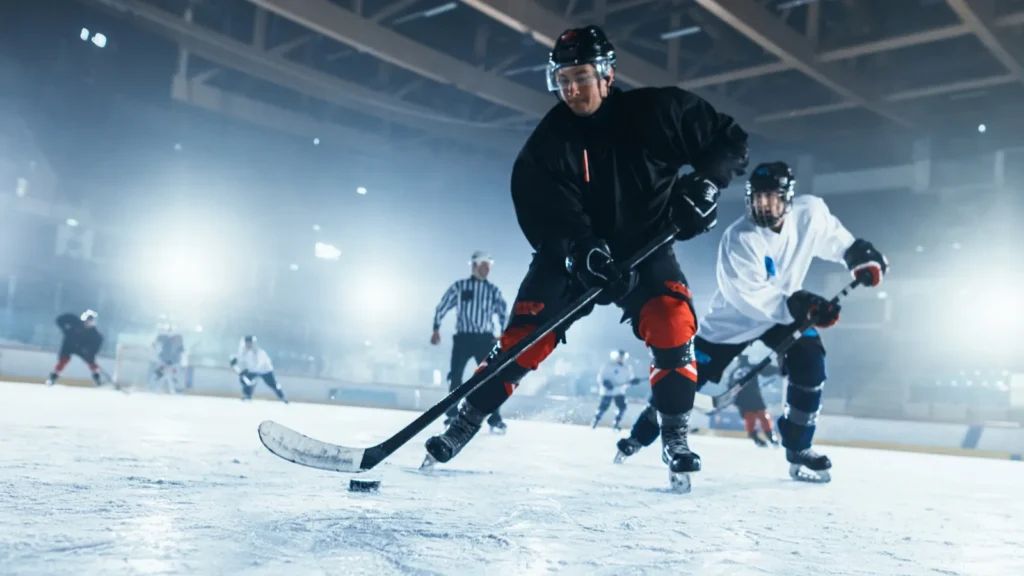
Masterful stick positioning allows smart defensemen to completely disrupt an opponent’s offensive structure without making physical contact. Good defensive hockey is a complex game of chess that relies heavily on anticipation, spatial awareness, and active stick work. Defending an odd-man rush requires a player to perfectly slide into a passing lane, taking away a royal road cross-crease feed.
Taking away the preferred passing lane can force the puck-carrier into a lower-percentage option. This subtle positioning stops high-danger scoring sequences from ever materializing, keeping the opponent’s expected goals metrics incredibly low.
Fun fact: The maximum allowable length for a standard NHL player’s stick is 63 inches, offering defensemen a significant reach advantage.
Why is controlling the wall on rimmed pucks vital?
Winning the physical battle along the half-wall on a rimmed puck prevents opposing teams from sustaining their offensive cycle. When opposing defenders slap the puck around the boards, a defenseman must rapidly pinch or seal the wall to halt its momentum. This requires a high degree of core strength and body positioning to pin the puck against the dasher while fending off an aggressive winger.
Securing the puck along the boards completely kills the opponent’s offensive zone time and denies them the chance to establish a dangerous cycle. Blue-liners who master these grueling board battles keep their teams from getting trapped in long, exhausting defensive shifts.
What is the value of shot suppression?
True defensive value is measured by the complete absence of offensive events while a player is out on the ice. Analytics departments place immense value on a metric known as Corsi, which tracks the total number of shot attempts directed toward a net. When a lockdown defender is working at peak efficiency, the opposing team struggles to find any space to unleash a shot.
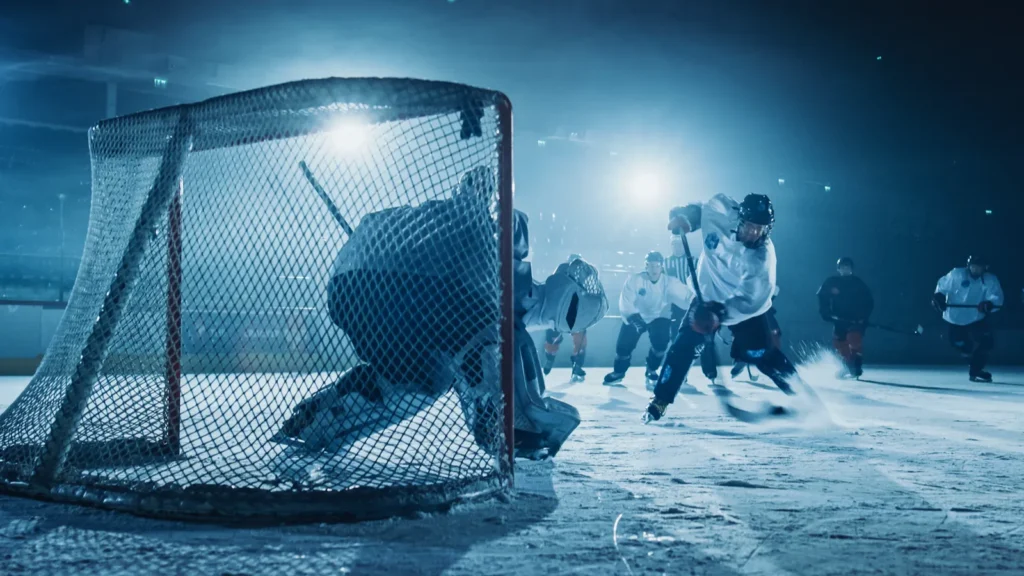
Suppression is not flashy, and it certainly will not earn a player a spot on the nightly post-game highlight shows. However, keeping the puck pinned along the boards or trapped in the neutral zone is the ultimate recipe for securing wins.
How do shot blocks protect the net?
Sacrificing the body to block an incoming slap shot is a fundamental component of structural team defense. Stepping directly into the path of a frozen rubber disc traveling near triple digits requires an immense amount of physical courage. Elite shot-blockers master the precise timing required to take away a shooting lane without accidentally screening their own goaltender.
These crucial plays consistently ignite the home bench and frustrate opposing point-shooters who want to funnel pucks down low. Turning away a heavy shot late in a tight game is just as valuable as scoring a goal on the power play.
TL;DR
- Shutting down transition attacks at the blue line protects the team from dangerous rush chances.
- Winning heavy races in the corners allows teams to transition out of the zone smoothly.
- Boxing out screens gives goaltenders a clean view to stop low-to-high scoring opportunities.
- Proper stick placement erases high-danger passing options during transition rushes.
- Restricting total shot attempts is highly valued by modern front-office analytics groups.
If you liked this story, don’t forget to follow us for more exclusive content.
This article was made with AI assistance and human editing.
If you liked this, you might also like: