



Buffalo faces a tighter summer
Buffalo entered the offseason with a good problem, but it still feels uncomfortable for management. The Sabres want to reward key players without squeezing the roster too hard.
That balance changed once Zach Benson became a clear extension priority. Keeping him first makes several useful players look less secure than their roles suggested in spring.

Benson moves to the front
Benson is not just another restricted free agent on the checklist. His playoff push, young age, and complete style gave Buffalo a stronger reason to move quickly.
Jarmo Kekäläinen described him as a core piece, which matters for serious planning. That label turns his next contract into a roster decision, not routine paperwork for Buffalo.

The price changes the room
A long deal for Benson could land near $7 million per season, based on outside projections. That figure would take a major part of Buffalo’s space this summer.
Once that money is reserved, the Sabres cannot treat every veteran contract as safe. Cap room becomes the asset they must protect before July begins and negotiations intensify.

Tuch brings the bigger question
Alex Tuch remains the central name in the debate because he can reach unrestricted free agency on July 1. Buffalo’s management has also expressed interest in keeping him.
The challenge is price. Tuch has been linked to a much larger deal, and Buffalo must decide whether that number helps the roster improve enough over time.


The cap sheet adds pressure
Buffalo has roughly $12 million in projected cap space, which sounds workable until Benson, Tuch, and other contracts crowd the same difficult planning board before July arrives.
Jeff Skinner’s buyout charge also matters because it already blocks $6.4 million from the books. That makes trades more attractive than another costly buyout choice for Buffalo.
Greenway becomes a salary question
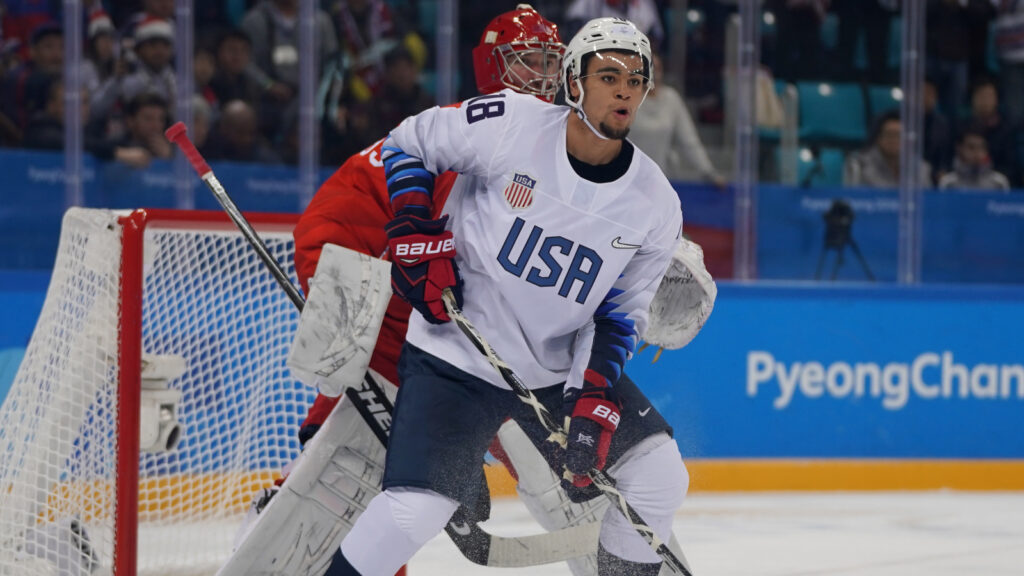
Jordan Greenway helped Buffalo’s fourth line during the playoffs, where his physical game still mattered. His $4 million cap hit creates a practical roster question for Buffalo.
For Greenway, the trade return may not be the main prize for Buffalo. Moving the full salary could matter more than whatever comes back in this case.

Norris offers the biggest shortcut
Josh Norris carries the heaviest movable number among the listed forwards, with four years left at $7.95 million per season. That creates a tempting shortcut for Buffalo.
His market is complicated because injuries and limited playoff impact raise concerns for interested teams. Still, moving that contract alone could ease Buffalo’s squeeze in one move.
Luukkonen creates a goalie debate
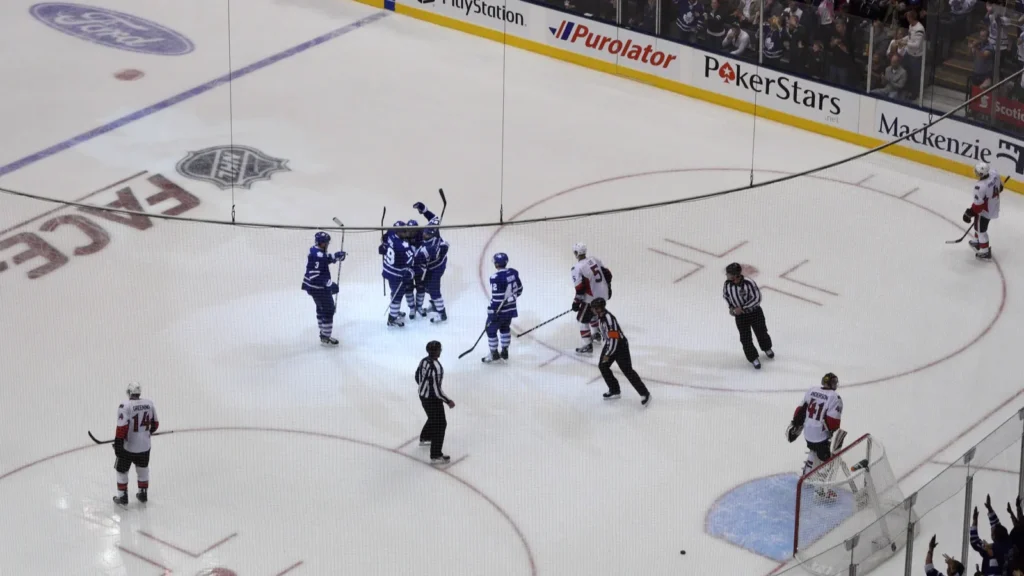
Ukko-Pekka Luukkonen is different because his contract is useful, and his position is harder to replace. Trading him would create a separate roster problem for the front office.
His strong season could make him attractive to teams needing a goalie. The drawback is Buffalo would need another plan behind Alex Lyon and Colten Ellis next season.

Zucker has a cleaner market
Jason Zucker gives Buffalo a different kind of trade chip. He scored 24 goals and still brings power play value despite a quieter finish in tighter playoff games.
At $4.75 million for one more season, Zucker could interest playoff teams needing offense. Buffalo might chase a later draft pick instead if buyers call this summer.
Quinn is the painful option
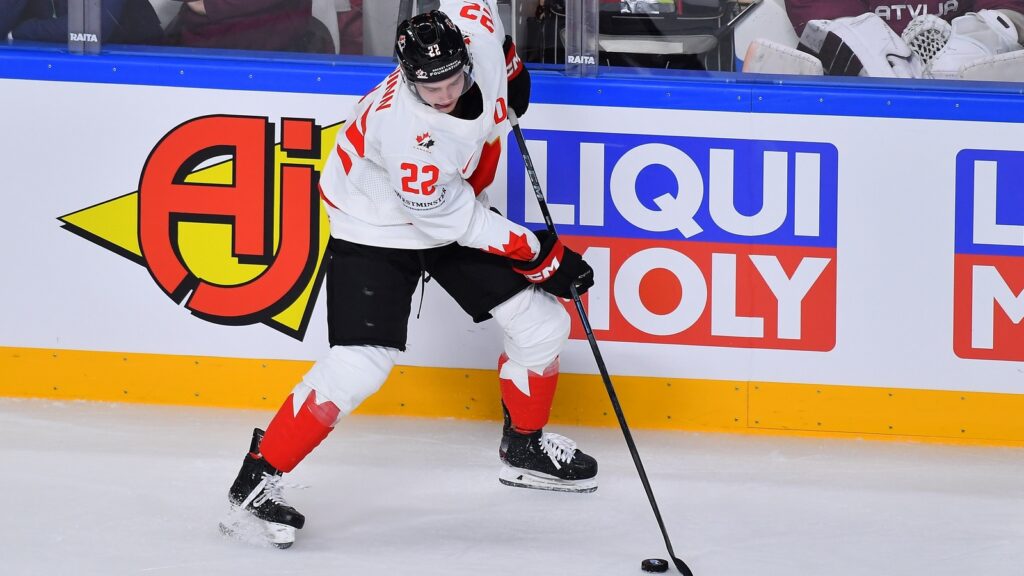
Jack Quinn is an uncomfortable name because he still fits Buffalo’s future. His 20 goals and 31 assists showed the breakout many fans expected after uneven stretches.
His contract also carries value for another team because he remains under club control after next season. That makes him useful in a larger package for cap purposes.
Fun fact: The Sabres’ famous “goathead” logo is actually a white bison head, proving hockey branding can get weird fast. Source: NHL.com

Byram keeps the board crowded
Bowen Byram adds another layer because Buffalo also wants clarity on his future. His next step affects how much room remains for everyone else on the roster.
Peyton Krebs, Noah Ostlund, Jiri Kulich, and Konsta Helenius also shape future planning. The Sabres must avoid solving one deal by creating another issue down the road.

Trade value matters differently
Not every possible move has the same purpose for Buffalo. Some players could bring real assets, while others mainly clear money for Benson or Tuch, depending on the contract.
That is why Buffalo’s decisions feel connected across the roster. A small trade may open breathing room, but a larger one could change the whole offseason plan.
While Nathan MacKinnon’s clinical precision has rewritten the record books this season, his rise to the top of the NHL goal-scoring race wasn’t overnight. Explore the tactical shifts that fueled this historic surge and dive into his extraordinary journey.
The roster is no longer quiet
Benson’s priority changes the trade status of several Sabres because expensive certainty requires sacrifices. Players who looked settled can suddenly become movable as management sorts the cap.
If Buffalo moves one or two contracts, the outlook changes quickly for everyone. The goal is to keep the core together without trapping the roster later or limiting growth.
If you’re craving the raw intensity that only a bitter history can provide, you can dive into our definitive ranking of the NHL’s fiercest rivalries and the legendary stories behind hockey’s most explosive face-offs.
Which Sabres player would you move first to protect the team’s future cap space, and why? Share your thoughts in the comments below!
This slideshow was made with AI assistance and human editing.
Read More From This Brand: