

Winning came before friendship
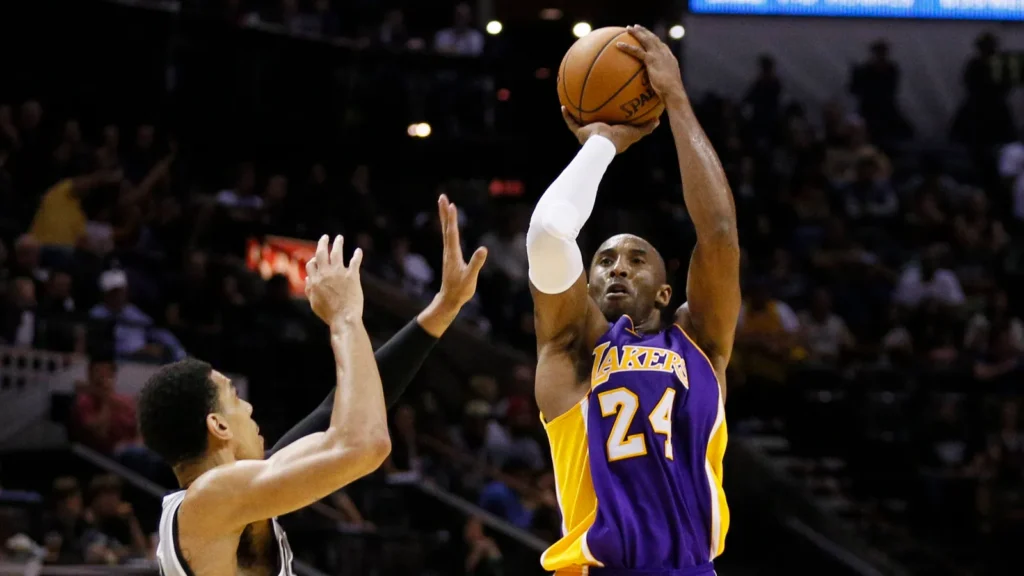
Kobe Bryant treated the 2000-01 Lakers season like a job site, not a social club. Winning came first, and everything else stayed far behind for him personally.
That mindset made his teammate relationships look colder than usual. He could share a locker room, chase a title, and still keep personal distance without apology from anyone.

Nighttime bonding was not his style
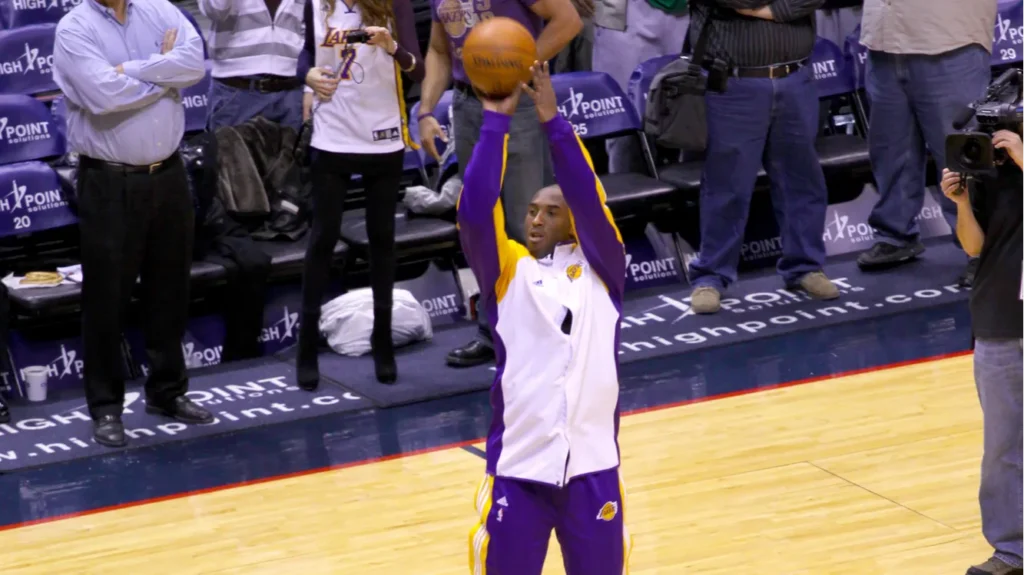
Bryant said time with teammates did not need to happen at night, which captured his view of bonding. Work mattered more than hanging out after long games.
He was not pretending to be everyone’s close friend. His version of connection came through practice habits, preparation, and trust built during competition under pressure each week.
His age made it sharper
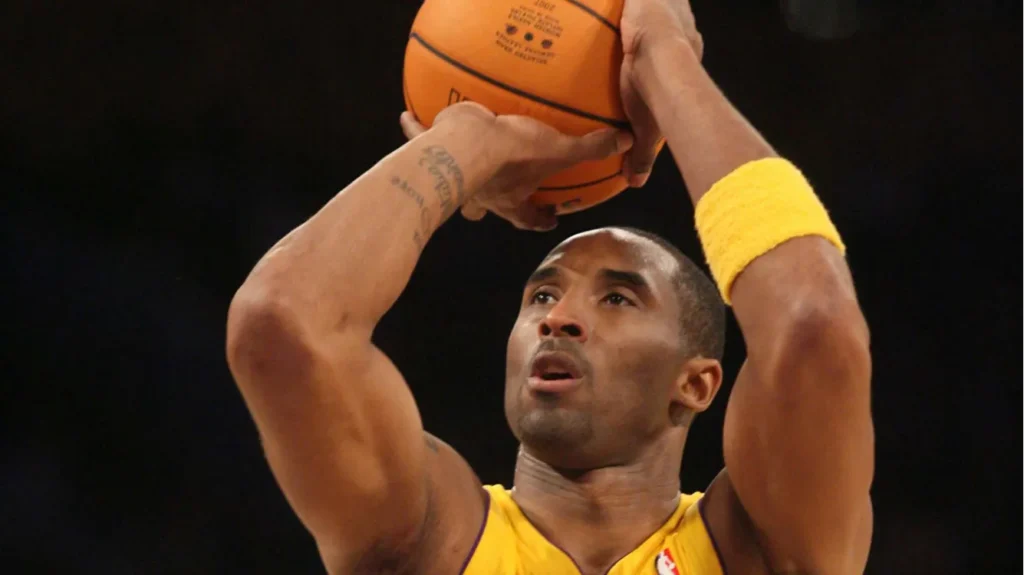
At 22, Bryant was already carrying superstar expectations on a roster built to repeat. That age made his discipline feel even sharper inside a veteran locker room.
Older teammates often handled pressure with jokes, dinners, and late nights. Bryant chose film, treatment, and workouts, creating a gap that teammates could feel around him daily.
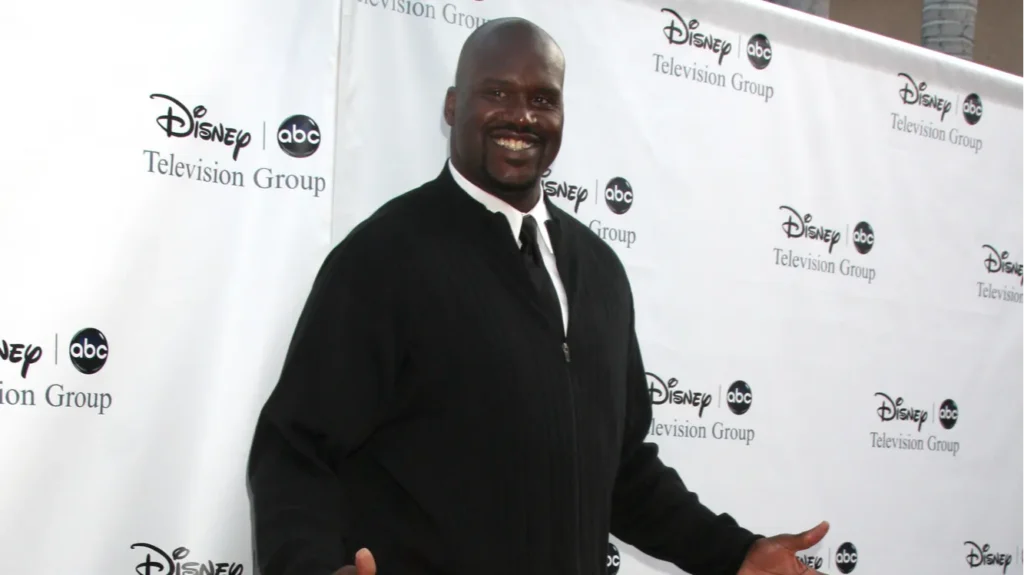
Shaq brought the opposite energy
The Lakers also had Shaquille O’Neal, whose personality filled rooms before games even started. Bryant’s quieter edge created a clear contrast inside the dynasty during that run.
That contrast did not stop them from winning, but it shaped the team’s temperature. Shaq brought looseness, while Kobe kept pushing toward private standards every single day.
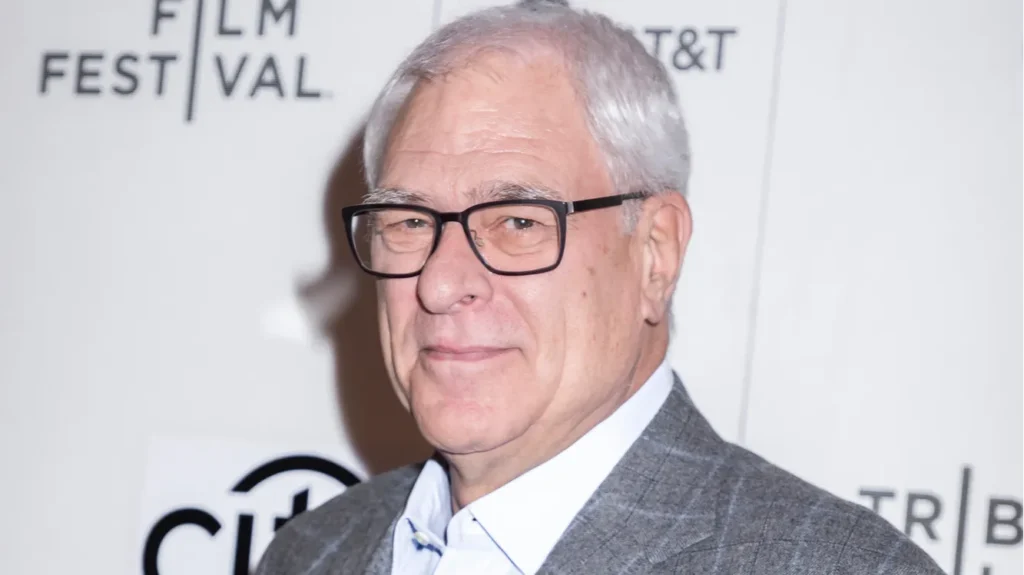
Jackson kept the focus steady
Phil Jackson’s structure gave Bryant room to be demanding without turning every difference into chaos. The triangle offense asked stars to share responsibility across each possession cleanly.
That system helped keep basketball as the common language. Bryant did not need late dinners to understand where teammates should be on the floor during pressure moments.
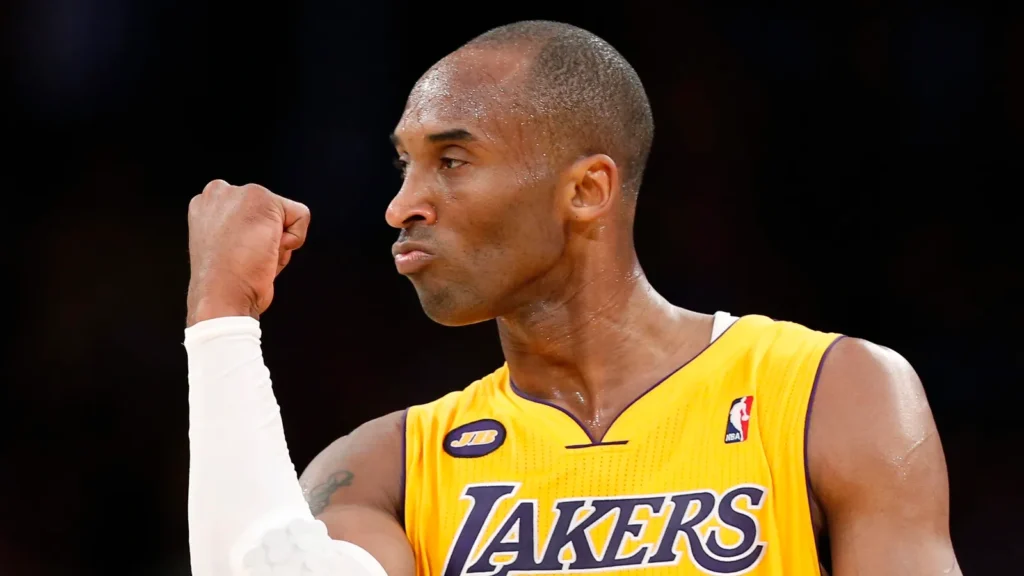
Teammates saw the bargain
Teammates could see the bargain clearly. Bryant might not be warm after hours, but he demanded the same seriousness he brought to work inside every practice session.
That approach could feel isolating, especially on a team spending months together. Yet it also told everyone that friendship would never outrank preparation in Los Angeles.

Production changed the reaction
The results made his hard edge harder to dismiss. Bryant averaged 28.5 points in the regular season and became a trusted playoff force for Los Angeles.
When production is that strong, distance looks different. Teammates may dislike the coldness, but winning turns difficult personalities into something easier to accept inside a locker room.
The title run protected him
Los Angeles went 15-1 in the 2001 playoffs, one of the most dominant postseason runs the league had seen to that point in modern NBA history.
That record helped frame Bryant’s isolation as part of a winning machine. The team did not need perfect friendships to create historic basketball through four playoff rounds.

His friendship rules were strict
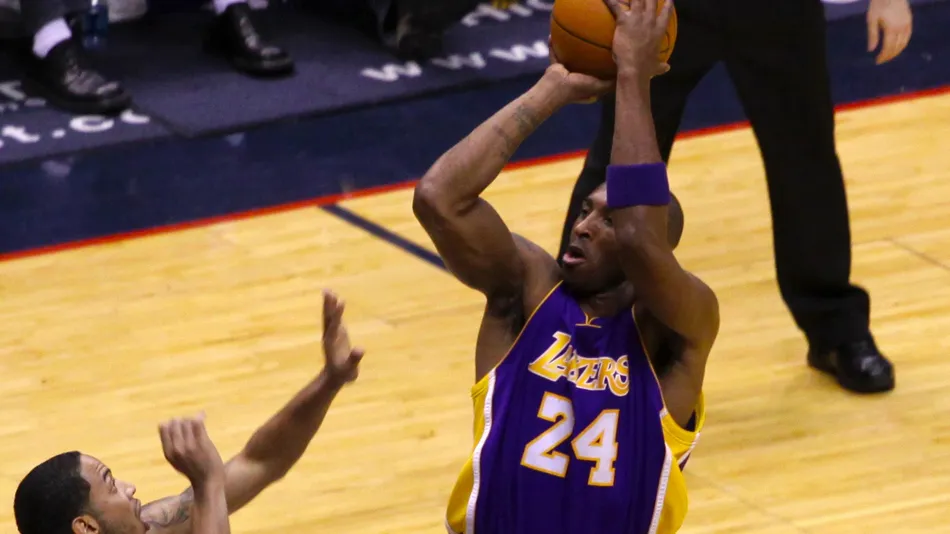
Bryant’s choice was not necessarily hatred or drama. It was a strict definition of friendship, where closeness had to fit around ambition before anything social mattered.
That view can sound harsh, but it explains the behavior better than simple arrogance. He protected time because he believed time shaped results more than talk did.
The team was not a friendship commercial
Fans often romanticize championship teams as brotherhoods filled with lifelong bonds. Bryant’s story complicates that picture because success sometimes grows from controlled separation rather than closeness alone.
The 2000-01 Lakers were not a friendship commercial. They were talented, tense, focused, and good enough to keep a personal distance from breaking them during the title push.
Fun fact: Kobe Bryant spoke fluent Italian because he spent part of his childhood in Italy, which meant opposing players sometimes got trash-talked in a language they did not understand.

The cost was real
The cost was emotional distance. Bryant could be respected and still feel separate, which made his greatness look lonely even inside a champion locker room in Los Angeles.
That tension is why the story still grabs attention. It asks whether winning at that level requires a sacrifice most people would never choose for themselves in life.

The legend made it bigger
Years later, Bryant’s approach became part of the Mamba Mentality legend. The no close friends detail now reads like another extreme example of that mindset at work.
The danger is flattening him into a slogan. His Lakers years showed discipline, friction, brilliance, and limits all moving through the same career at the highest level.
As Shai Gilgeous-Alexander keeps pushing the Oklahoma City Thunder deeper into the spotlight, many NBA fans are starting to notice the rare Michael Jordan comparison forming around his latest run. Dive into the statistics, putting him near historic territory.
The lesson still feels uncomfortable
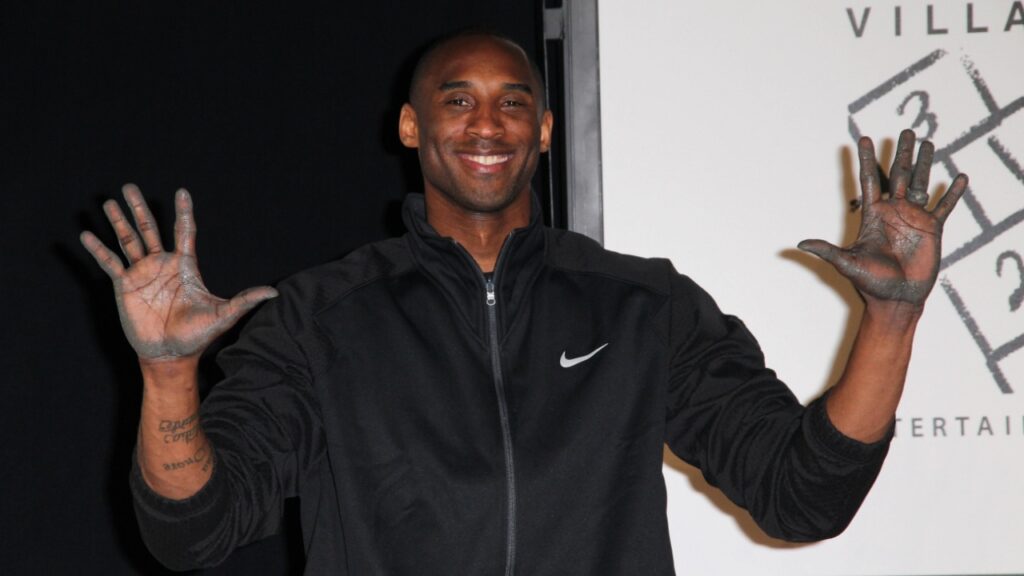
Kobe’s strict approach mattered because it turned friendship into a secondary detail. On those Lakers, he measured connection through work and winning before anything else counted.
That is the uncomfortable lesson behind the story. The championship Lakers had chemistry on the court, even when Kobe kept close friendships away from his daily life.
Michael Jordan’s 23XI Racing is rewriting the NASCAR record books after Tyler Reddick secured a fourth win in just six races. To explore how this team became the most dominant force in the 2026 Cup Series, dive into our full analysis.
Do you think Kobe Bryant’s championship mindset justified keeping teammates at a distance, or does great leadership require stronger personal relationships? Share your thoughts in the comments below!
This slideshow was made with AI assistance and human editing.
Read More From This Brand: