

A Finals run gains a cultural layer
New York’s Finals surge already had comeback drama, but Karl-Anthony Towns and José Alvarado added another layer by giving the Knicks’ run a clear cultural heartbeat for Latino fans.
Their story matters because both players connect with communities that see themselves inside the team. For many fans, this run feels bigger than one playoff bracket or one scoreboard result.
Towns set the tone after Game 4
After the Knicks stunned San Antonio with a 107-106 Game 4 win, Towns used the postgame podium to praise Alvarado’s emotional edge and competitive fire under pressure late.
That moment gave the story its first clear spark. Towns was not only discussing a teammate’s minutes, but also explaining why Alvarado changed the mood of the win for the group.

Alvarado earned the spotlight late
Alvarado’s role grew as New York needed energy, defense, and ball-handling during the comeback. He played 9 minutes and 40 seconds in the fourth quarter and helped steady the rotation at the right time.
His own explanation was direct and useful. At halftime, he said the Knicks needed the next 24 minutes to show how they really play basketball under Finals pressure together.

The local angle made it richer
Both players spoke as New York mattered personally, not just professionally. Alvarado, a Brooklyn native, described the emotion of playing meaningful fourth-quarter minutes at Madison Square Garden after the win.
That connection gave the moment more weight for fans watching the Finals drama unfold. The stage was huge, but Knicks pride made it feel intimate, familiar, and recognizably local.
Towns balanced humor with respect
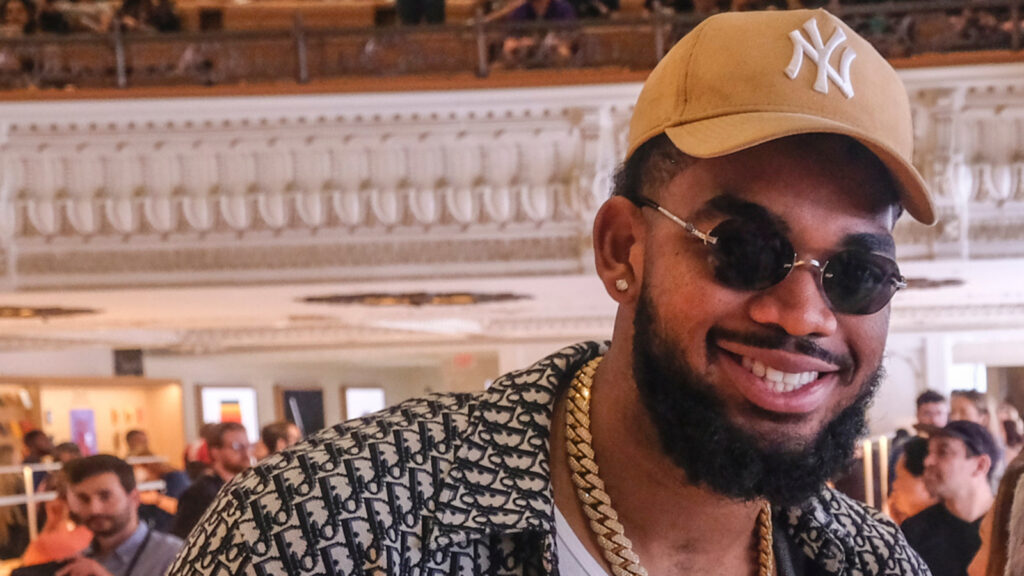
Towns joked that it was difficult for him, as a Dominican, to speak so warmly about a Puerto Rican teammate, and Alvarado immediately laughed along beside him at the podium.
The line worked because it conveyed a sense of friendly cultural familiarity without taking focus away from basketball. Towns used humor to underline respect, not reduce Alvarado’s contribution in that moment after Game 4.
Emotion became part of Alvarado’s value
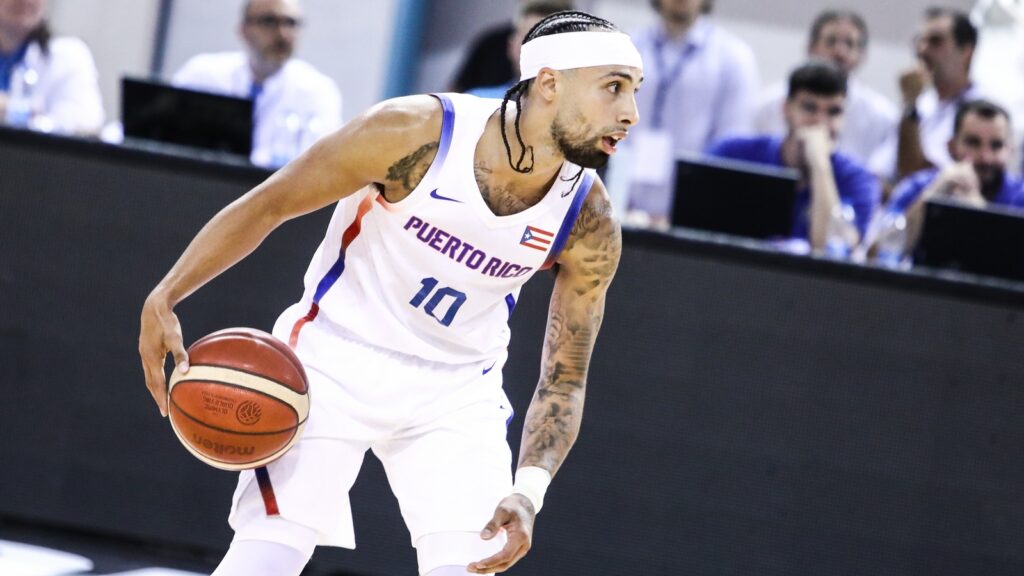
Towns explained that Alvarado plays with emotion but uses it well, turning feelings into pressure, pace, and confidence rather than letting them overwhelm his game when the stakes rise.
That compliment captured why Alvarado mattered in the Finals run. He was not only filling minutes but also giving New York a different pulse off the bench for the Knicks.
The comeback changed the whole frame
The Knicks’ rally from 29 points down against the Spurs became the largest comeback in NBA Finals history, turning Game 4 into a defining moment for New York basketball history.
Inside that comeback, Towns and Alvarado became part of the emotional center. Their postgame words helped show how the locker room processed the night and the pressure of the Finals.

Towns carried the star weight
Towns did not dominate the scoring column in Game 4, but his presence still mattered through rebounding, spacing, and the trust he drew from teammates in pressure minutes.
His voice after the win also mattered. As a star, he used the moment to lift Alvarado and spotlight the team’s shared belief after a difficult start.

Alvarado gave the bench a face
Every Finals team needs a surprise force, and Alvarado became that figure for the Knicks. His defense, ball pressure, and late scoring gave the bench an identity in Game 4.
That kind of contribution can change how fans remember a series. It turns a role player into a symbol of toughness, timing, and readiness under pressure when games tighten late.

Madison Square Garden felt the release
Madison Square Garden erupted after the final buzzer as the Knicks completed a 29-point Finals comeback and moved within 1 win of their first championship since 1973.
Alvarado also struggled to put the emotion into words. Playing meaningful fourth-quarter minutes on that stage made the moment feel deeply personal for a Brooklyn-born guard in the Finals.

The duo reflected New York’s makeup
The story resonated because New York is built from overlapping communities, and the Knicks’ Finals run gave Dominican and Puerto Rican fans a visible connection on basketball’s biggest stage.
That cultural layer did not replace the basketball. It made the basketball feel more specific, more rooted, and more connected to the city, watching the Knicks chase history so closely.

The finish changed the meaning
The story no longer points toward another game in San Antonio. New York finished the series with a 94-90 Game 5 win, ending 53 years of waiting for fans.
That result changed Alvarado’s message from staying focused to helping complete the job. The pride around the Knicks became bigger after the title finally landed in New York.
Miami’s title chase sounds tempting with Giannis Antetokounmpo, but the hidden cost could reshape everything around the Heat. Explore why one huge trade may create more problems than answers.

The title completed the meaning
The Knicks’ Finals run took on deeper meaning because Towns and Alvarado helped turn a championship chase into a story about identity, city pride, and shared belief across New York’s basketball culture.
After New York closed the series in Game 5, their story no longer lived only inside a comeback. It became part of the Knicks’ first title since 1973 and the city’s celebration.
Victor Wembanyama’s historic playoff performance still left the Spurs searching for answers afterward. Dive into why the young superstar is putting the pressure on himself despite delivering one of the postseason’s biggest moments.
Do you think Karl-Anthony Towns and José Alvarado gave the Knicks’ Finals run a deeper New York identity beyond the scoreboard? Share your thoughts in the comments below!
This slideshow was made with AI assistance and human editing.
Read More From This Brand: