


Baseball is the only major sport where silence speaks louder than anything else on the field. From the third base coach touching his ear to a catcher flashing fingers behind the plate, every game is filled with coded messages invisible to casual fans.
These signals decide stolen bases, pitch selection, and defensive shifts before a single action unfolds. They represent a hidden chess match running parallel to the game itself. Understanding this language reveals what truly drives every pitch, every play, and every outcome in Major League Baseball.
Let’s take a closer look.
A language born from the battlefield
Baseball’s secret signal system did not begin in a stadium. It grew out of military communication. According to baseball historian Paul Dickson, baseball’s tradition of signing grew out of signal flags used by ships and hand signals used by soldiers during the Civil War. These battlefield methods were first adapted professionally by the Cincinnati Red Stockings in 1869. The sport adopted the language of war from day one.
Over the course of a game, catchers, pitchers, coaches, and fielders exchange a steady stream of nonverbal instructions. Baseball relies heavily on signs to coordinate pitch selection, baserunning, and defensive positioning without revealing strategy to the opponent.


The Catcher, quarterback behind the plate
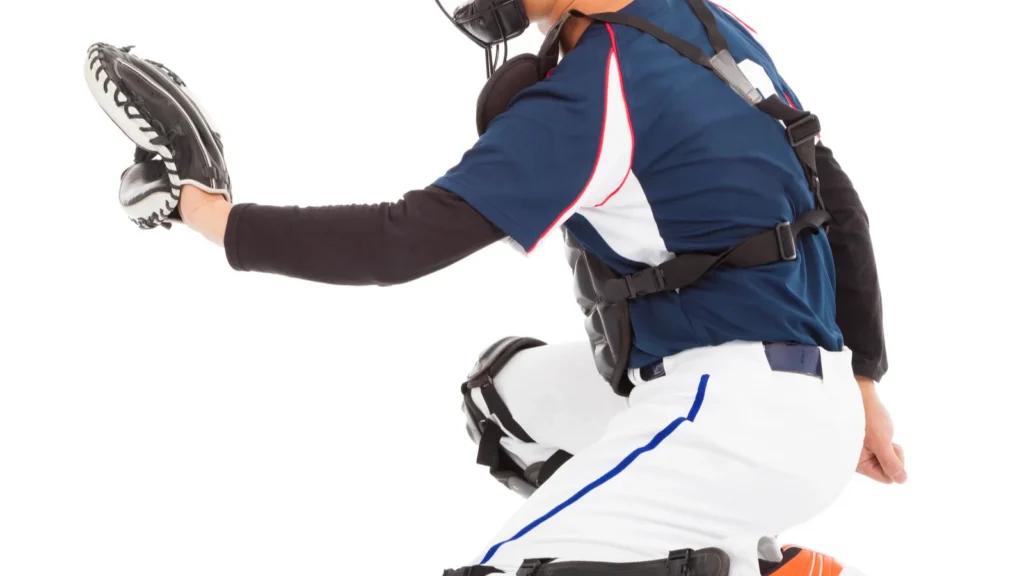
Before each pitch, the catcher studies the hitter, the runners, and the game situation, then helps relay the plan for the next pitch. In traditional sign systems, that has meant flashing finger signals between the legs, while modern MLB clubs often use PitchCom to send the call electronically.
The communication extends beyond pitch type. Catchers and pitchers also coordinate location, pickoff attempts, defensive positioning, and occasional pitchouts, which are deliberate pitches thrown away from the hitter so the catcher can get up quickly for a throw on a runner.
Fun fact: In 1940, Detroit Tigers pitcher Tommy Bridges accidentally discovered he could read catcher signals through his hunting rifle’s telescopic sight while sitting in the upper deck. The accidental discovery turned into a full sign-stealing operation that helped Detroit win the pennant that season.
The third base coach and the art of misdirection
The third base coach might touch his nose, then his knee, then his ear in rapid succession. Most of those touches mean absolutely nothing. The entire sequence exists to confuse the opposing team. Only one touch carries a real instruction, and it comes after the coach gives a hidden “indicator” signal that unlocks everything that follows.
The indicator system is where real creativity lives. A coach might touch the brim of his cap as the indicator, meaning the very next gesture is the live signal. Everything before and after is pure noise designed to mislead. Decoy signals, wipe-away signs, and count-based codes make this one of the most sophisticated communication systems in professional sports.
Sequence signs and the runner on second
When a runner reaches second base, he has a direct line of sight to the catcher’s fingers. That runner can decode pitch signals and use a quick gesture to tip off the batter before the pitch arrives. This is considered perfectly legal under baseball’s unwritten rules and has been practiced since the 19th century. Teams build entire counter-systems around it.
To protect against this, catchers shift to complex sequences called “rotation signs.” The catcher puts down a series like 2-1-3-1-2, where only one number in a pre-agreed position carries meaning. The pitcher knows to look at, say, the third signal only. The runner on second sees the full sequence but cannot crack which number actually counts without knowing the key.
The Houston Astros scandal that broke baseball
The Astros used a center-field camera feed and a monitor near the dugout to decode opposing catchers’ signs during the 2017 season. Players then used trash-can bangs to alert hitters to certain off-speed pitches, while no bang generally indicated a fastball, and the system remained in use through the 2017 postseason.
In January 2020, MLB fined the Astros $5 million, stripped the club of its first- and second-round draft picks in 2020 and 2021, and suspended manager A.J. Hinch and general manager Jeff Luhnow for the 2020 season. Houston then fired both executives, while MLB did not impose individual discipline on Astros players.
PitchCom, the device that changed everything
PitchCom was invented by John Hankins and Craig Filcetti. It uses a nine-button keypad worn by the catcher, transmitting pitch calls as audio directly into a small receiver tucked inside the pitcher’s hat. Up to five players on the field can receive the signal simultaneously. All communications are fully encrypted, making interception impossible by anyone on the opposing side.
The device is available in multiple languages, including English, Spanish, Japanese, and Korean. Teams can even swap out standard pitch names like “fastball” for custom code words. Some clubs programmed in unique motivational messages, with one reliever famously having his team use the voice from the Mortal Kombat video game saying ‘Finish him’ before certain pitches.
Fun fact: Cleveland Guardians catcher Austin Hedges reprogrammed his entire PitchCom device to call pitches in his own voice. He also added a custom button that shouted “F*** yeah” directly into his pitcher’s ear after big plays.
Old signs in a new era
Teams are required by MLB rules to maintain a backup communication plan in case PitchCom malfunctions. Hand signals remain the mandatory fallback whenever a device fails, the battery dies, or crowd noise makes the audio impossible to hear. Third base coaches still run full indicator sequences on every play. Decoy signs, wipe-away signals, and count-based systems remain essential parts of every game plan.
The truth is that baseball’s communication layer has always been part of its soul. Since the beginning of baseball in the 19th century, catchers used their fingers to signal pitch type and intended location, a tradition lasting more than 150 years before PitchCom arrived. Technology changed the tools. The instinct to communicate in secret remains as central to the sport today as it ever has been.

TL;DR
- Baseball’s secret signal system originated from Civil War military hand signals and has been part of the sport since 1869.
- Catchers communicate pitch type, location, and strategy using finger signals, sequence codes, and now encrypted electronic devices.
- Third base coaches use indicator signs, decoys, and wipe-away signals to hide real instructions from opposing teams.
- The runner on second base is a legal threat to any pitcher because he has a direct view of catcher signals.
This article was made with AI assistance and human editing.
If you liked this, you might also like: