

Flag Football Classic relocates to Los Angeles stage
Flag football is stepping further into the spotlight as it evolves from a recreational format into a competitive showcase, attracting major athletes and global attention. A high-profile exhibition event linked to Tom Brady brought together elite talent, shifting locations and sparking renewed interest in how the sport is presented on a larger stage.
With rising popularity, celebrity involvement, and growing ties to future international competition, this event highlights a broader movement shaping the direction of modern football. What unfolded in Los Angeles offers a glimpse into how the game is changing in unexpected ways.

Event purpose and growth of flag football
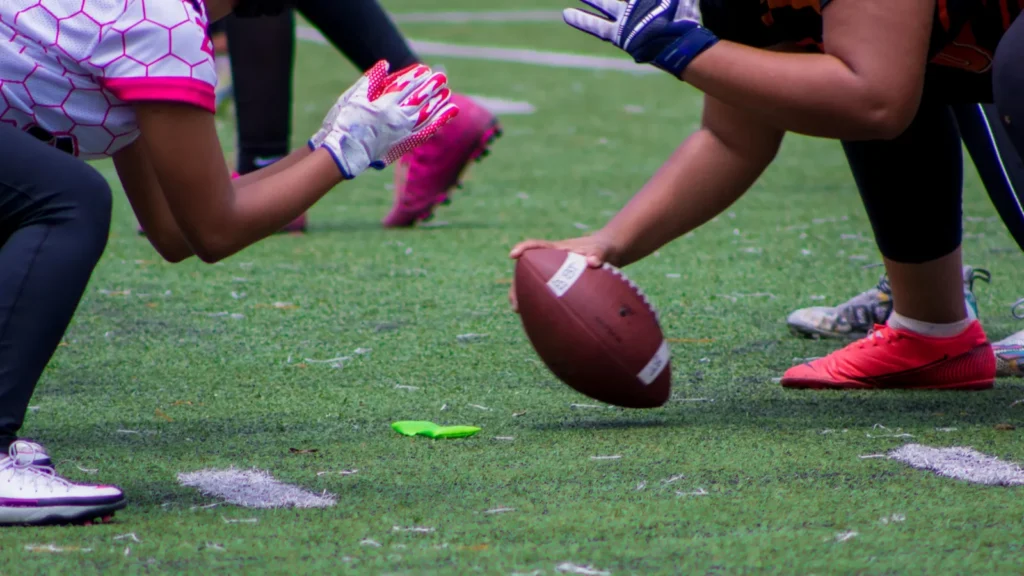
The Fanatics Flag Football Classic was designed to showcase the non-contact version of the sport and promote its rising popularity across the United States. Flag football emphasizes speed, precision, and teamwork, attracting both traditional football fans and new audiences.
The event also served as a high-profile platform for athletes from different backgrounds to highlight the athleticism involved in flag football. As the sport gains traction, events like this help bridge the gap between professional football and grassroots participation.

Tom Brady’s participation in the Classic
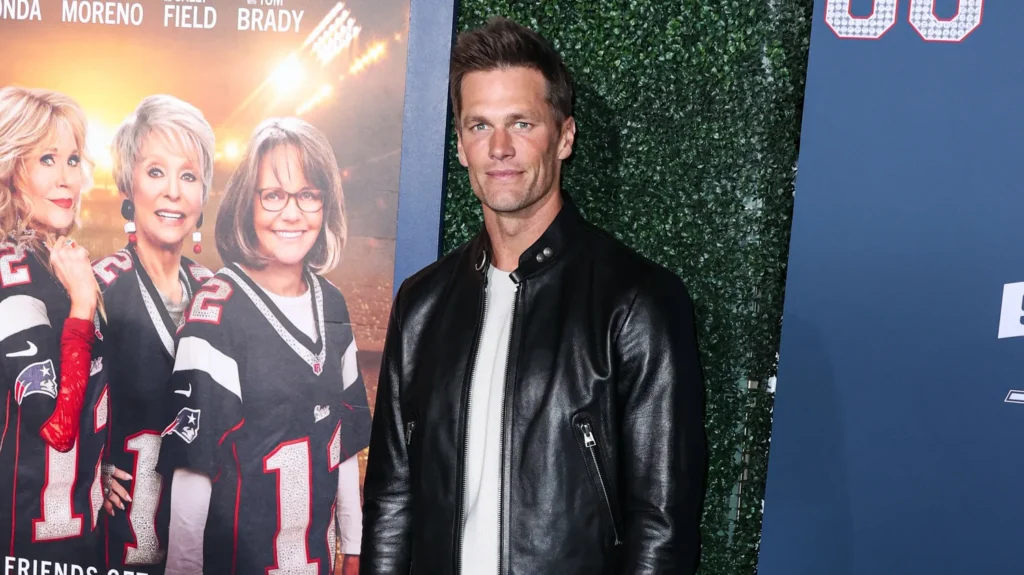
Tom Brady, one of the most recognizable figures in American football history, participated in the Classic as a team leader and competitor. His presence drew significant media attention and helped elevate the profile of the event among casual and dedicated sports fans.
Brady’s involvement also illustrated how retired athletes can continue to engage with the sport in new formats beyond the traditional professional leagues. His role in the Classic underscored the growing intersection of exhibition sports and mainstream athletic entertainment.
Venue and atmosphere in Los Angeles
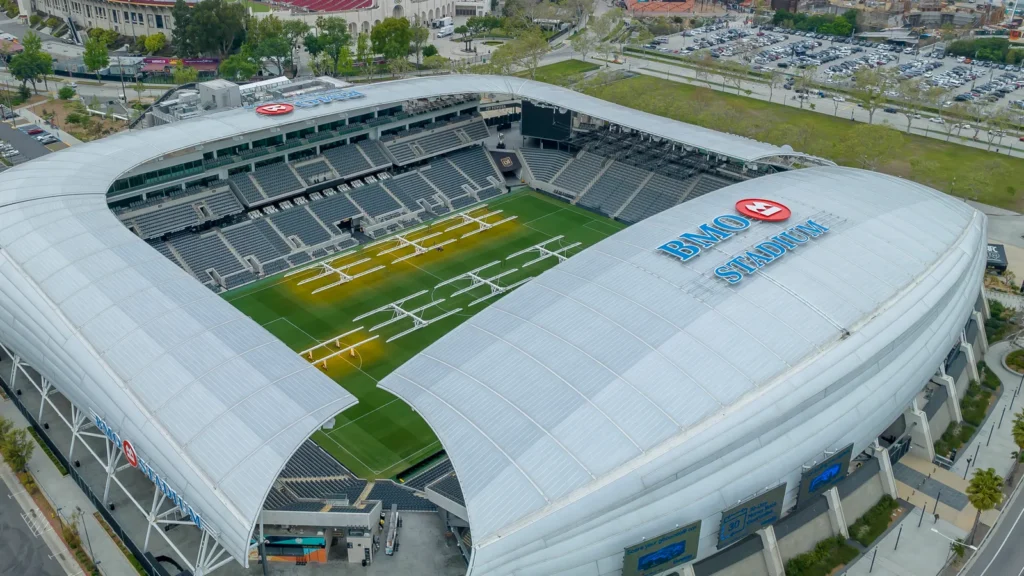
The event took place at BMO Stadium in Los Angeles, a venue known for hosting major sports and entertainment events. Fans gathered in a lively atmosphere that blended competitive play with a festival-like feel, bringing together diverse spectators.
Los Angeles provided a fitting backdrop for the Classic, given its history of embracing emerging sports and its upcoming role as host city for the 2028 Summer Olympics. The venue’s facilities helped accommodate both athletes and fans comfortably.
Interesting fact: Los Angeles is one of the few cities in the world to host the Olympics three times, 1932, 1984, and the upcoming 2028 Games, highlighting its long-standing global importance in international sports.
Competition format and teams
The Classic featured three teams composed of current and former NFL players, elite flag football athletes, and other notable participants. These teams competed in a round-robin format that led to a final championship game.
Each matchup highlighted different strengths, with teams needing to adapt quickly to the non-contact style and faster pace of flag football. This structure allowed fans to see a variety of competitive dynamics throughout the event.
Team USA’s performance on the field
Team USA’s national flag football team demonstrated strong performance against teams made up of NFL stars and celebrities. Their skill in flag football, which emphasizes speed and precision, was evident as they secured victories throughout the Classic.
The success of Team USA illustrated the depth of talent in specialized flag football training and competition. This outcome also highlighted how expertise in traditional tackle football does not always translate directly to success in flag football.
Star athletes and celebrity involvement
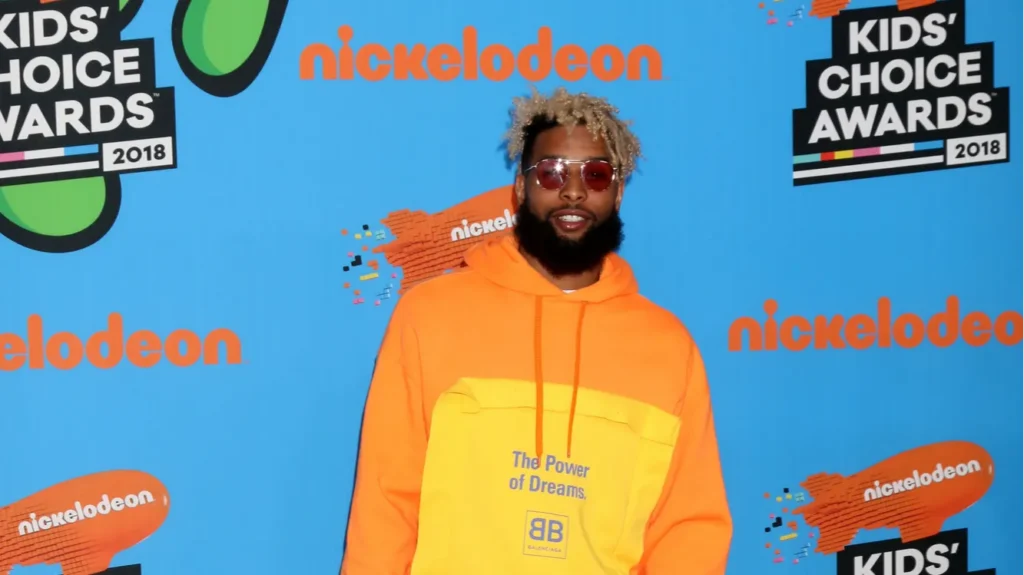
The Classic drew participation from a range of well-known athletes, including Joe Burrow, Odell Beckham Jr., and Jalen Hurts, who added excitement to the competition. Their involvement helped attract fans who follow professional football and enjoy seeing familiar faces in new settings.
In addition to athletes, celebrity spectators added to the event’s entertainment value, blending sports with pop culture. This mix of athleticism and celebrity presence created a unique experience for attendees.
Interesting fact: For more than 17 years, LeBron James has built a global brand that places him among an elite group, alongside icons like Michael Jordan and Muhammad Ali.

Viewer interest and broadcast coverage
The Classic was broadcast on national sports network, giving fans across the country a chance to watch the action live. Viewers tuned in to see how the sport played out with a mix of experienced football players and flag football specialists.
Broadcast coverage helped raise awareness of flag football as a competitive sport and introduced it to audiences who might not have followed it previously. This exposure was important for the sport’s growth beyond local and in-person attendance.
Fan reaction and engagement
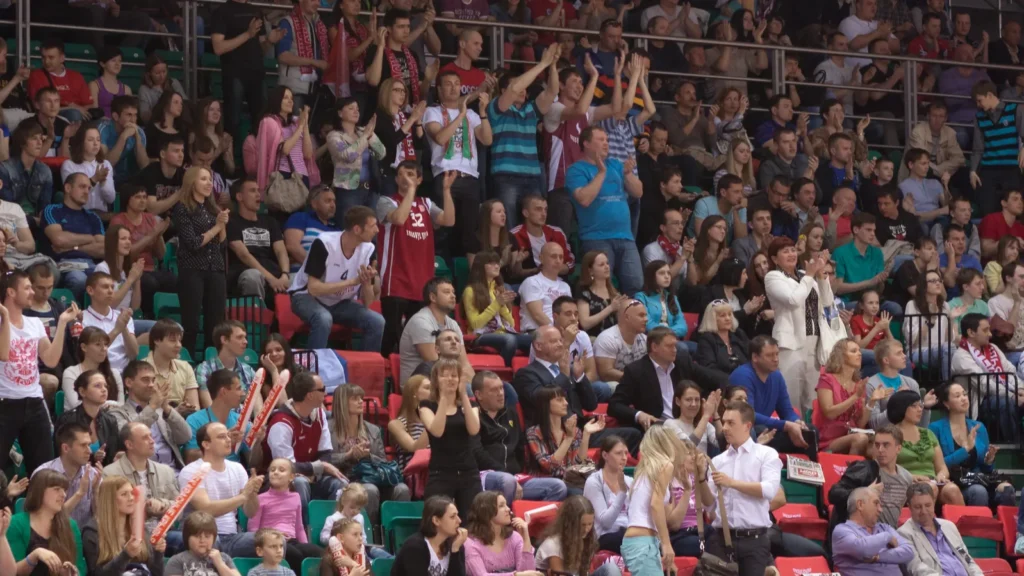
Fans at BMO Stadium reacted enthusiastically to the competition, cheering for their favorite players and enjoying the fast pace of the games. Social media buzz around the event reflected a mix of excitement and curiosity about flag football’s unique style.
Some attendees expressed interest in seeing more events like the Classic, especially as the sport prepares for its Olympic debut. This engagement suggests a growing appetite for alternative formats of football entertainment.

Flag football’s rise in popularity
Flag football has seen significant growth in participation at youth and amateur levels across the United States. Its non-contact nature makes it appealing to players and families who want a safer alternative to traditional tackle football.
The Classic highlighted how the sport can attract attention at a high level while still maintaining accessibility for newcomers. This rise in popularity sets the stage for flag football’s inclusion in larger competitive arenas.
Olympic connection and future prospects
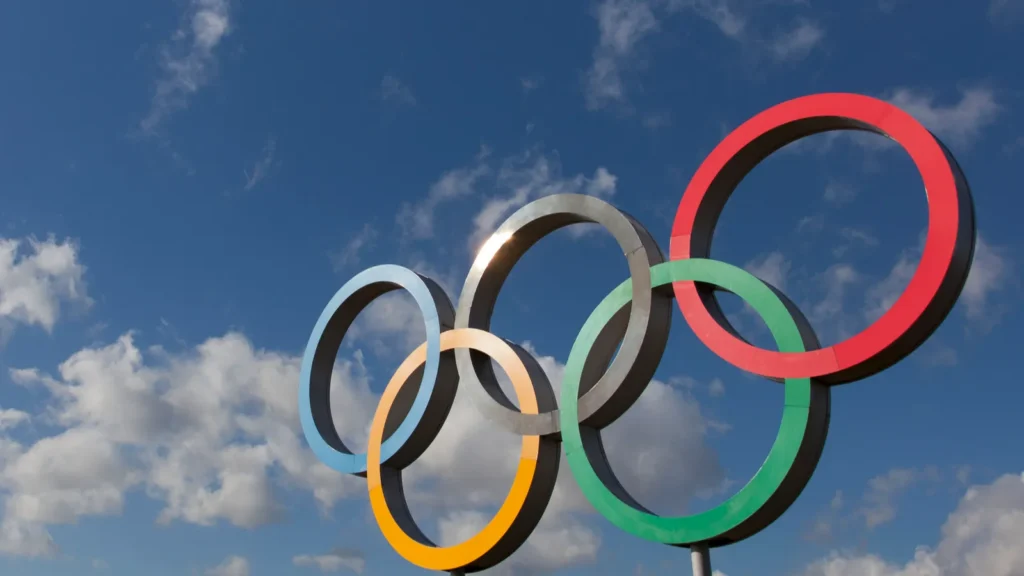
Flag football will make its Olympic debut at the 2028 Summer Games in Los Angeles, giving the sport a major global platform. Events like the Fanatics Flag Football Classic help build anticipation and familiarity with the sport ahead of the Olympics.
As flag football prepares for its Olympic moment, organizers and athletes are working to expand competitive opportunities and visibility. The Classic served as a stepping stone toward broader recognition and participation.

Challenges and lessons from the Classic
While the event drew attention, it also revealed challenges in promoting a newer sport alongside established leagues. Organizers and participants gained insights into how to better engage fans and structure future competitions.
These lessons will be valuable as flag football continues to grow and attract investment, sponsorship, and media coverage. The experience from the Classic will help shape how future events are presented and marketed.
In other news, NFL global expansion efforts build momentum across international markets.

Looking ahead for flag football events
The success of the Fanatics Flag Football Classic in Los Angeles has set a precedent for future exhibition tournaments and showcases. Organizers and athletes alike are considering how to build on this momentum with additional events that highlight the sport’s unique appeal.
With flag football’s inclusion in the Olympics and increasing grassroots participation, the sport is positioned for continued growth and innovation. Fans can look forward to more opportunities to engage with flag football at all levels.
The internet is also talking about the surprising reason Carmelo Anthony says Shai Gilgeous Alexander is the most unstoppable player today.
Let us know what you think about flag football’s growing popularity and whether you believe events like the Fanatics Flag Football Classic will continue to expand in the future.
This slideshow was made with AI assistance and human editing.
Read More From This Brand: