
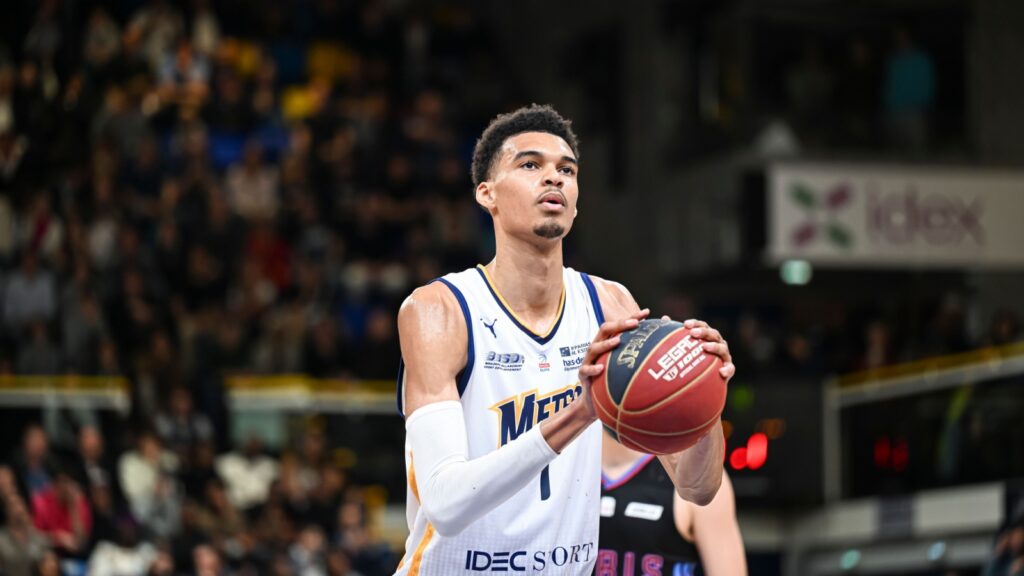
Victor Wembanyama’s shove on Jalen Brunson is no longer just a heated Finals moment waiting for a ruling. Now that the Knicks have finished off the Spurs and closed the championship series, the NBA’s decision not to upgrade the play looks even more important in the full story of these Finals.
The incident came during Game 3, when San Antonio was fighting to stay alive, and Wembanyama was already carrying two postseason flagrant points. The league admitted officials missed the foul, but its final verdict left him on the floor and kept one of the Finals’ biggest controversies alive even after the trophy was decided.
The Game 3 shove explained
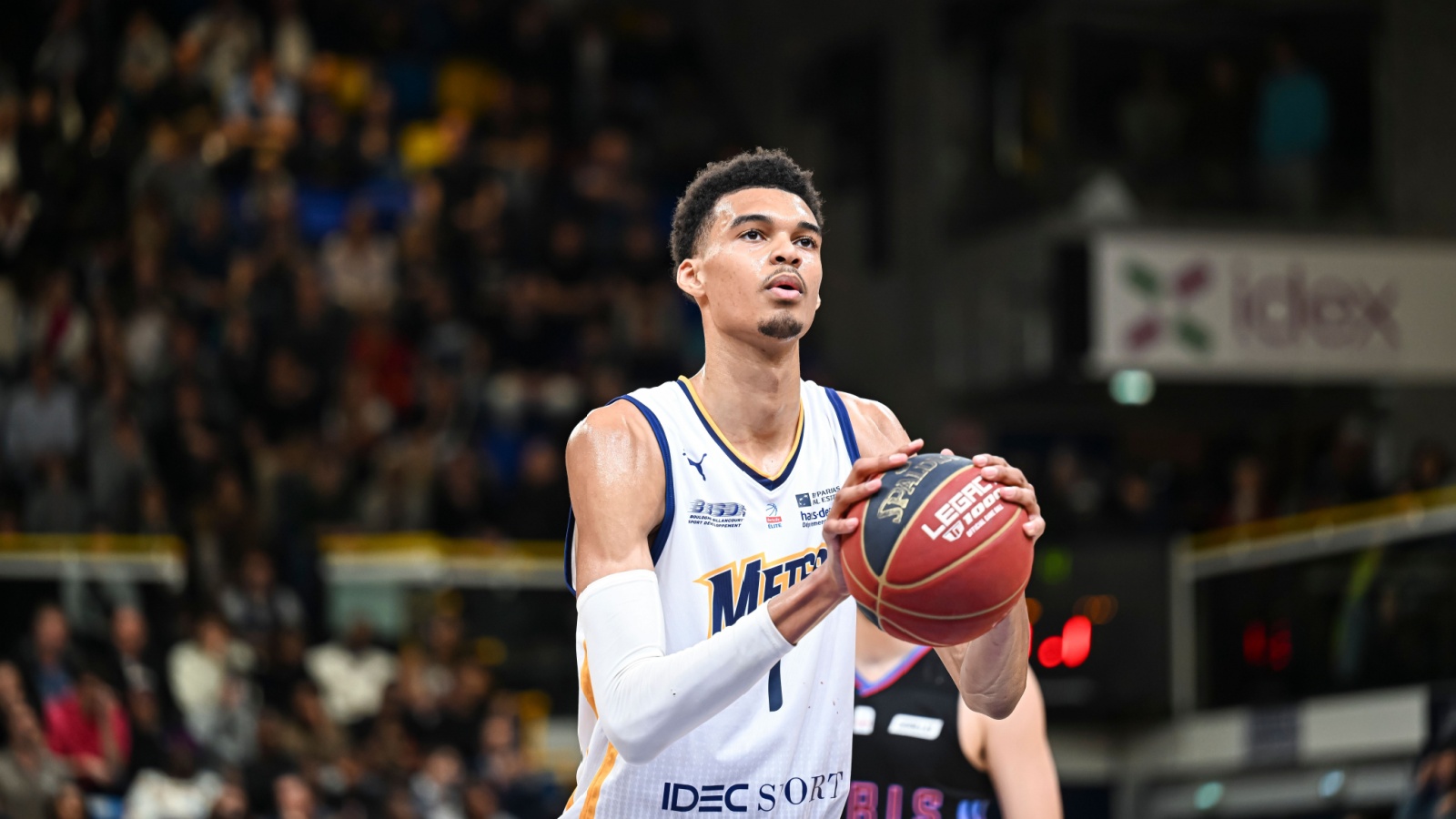
Game 3 of the 2026 NBA Finals took place on June 8 at Madison Square Garden. With just under five minutes left in the first quarter, Jalen Brunson tried to set a screen above the free-throw line against Victor Wembanyama. The two got tangled up, and Wembanyama used his left arm to shove Brunson by the back of the head and neck, sending him stumbling toward the floor.
No foul was called live. Brunson got up and confronted Wembanyama directly. Wembanyama reportedly laughed in his face. The moment went viral immediately, with fans and analysts reacting in real time. The ESPN broadcast captured the whole exchange in stark detail.
Questions over Wembanyama’s treatment
The Brunson shove was not an isolated incident. Critics point to a pattern that stretches back to the start of the 2026 playoffs. When Wembanyama elbowed Naz Reid in the neck during the second round, he was ejected but not suspended. The league chose to absorb the flagrant 2 without additional discipline beyond the game itself.
The controversies did not stop there. In Game 6 of the Western Conference Finals against Oklahoma City, Wembanyama appeared to grab Lu Dort’s hair while running up the court. In Game 2 of the Finals, he tossed Jose Alvarado by the neck while fighting for rebounding position.
He also skipped a mandatory postgame press conference after a Game 5 loss to OKC and received only a warning, not the standard fine.

How the NBA responded
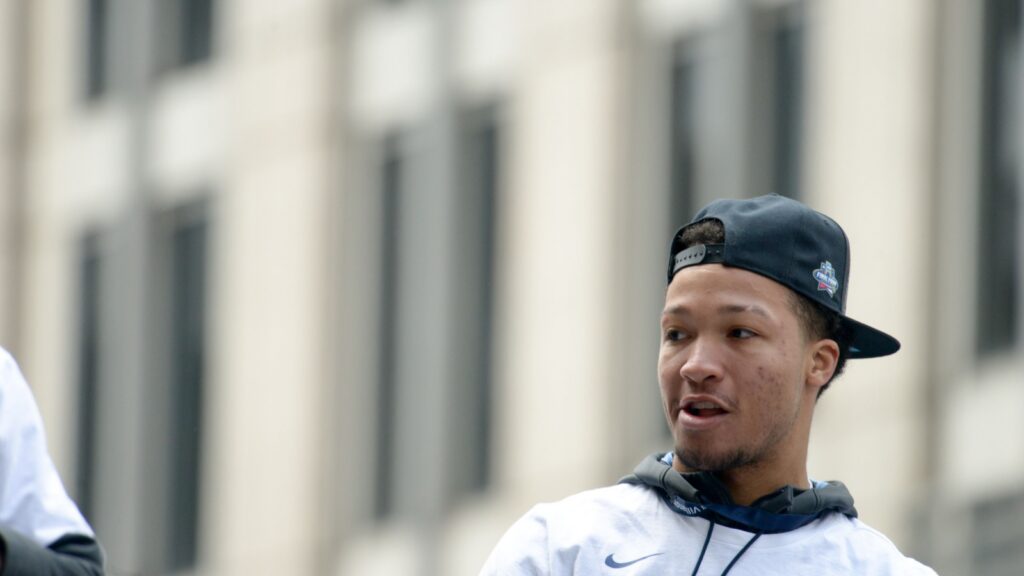
By Tuesday afternoon, the league broke its silence. Monty McCutchen, the NBA’s Senior Vice President of Referee Development and Training, appeared on ESPN’s NBA Today. He confirmed that the referees made a mistake. His words were direct: the officials failed in their positioning assignments, and two of them were watching the ball rather than the off-ball action.
McCutchen said the league would review the play to determine if a retroactive flagrant foul was warranted. That review did not take long. By Tuesday night, ESPN’s Shams Charania reported that the NBA had decided not to upgrade the play. No flagrant foul. Not fine. No suspension.
Why this call matters
In the NBA postseason, flagrant fouls carry cumulative weight. Each flagrant 1 earns a player one point. A flagrant 2, which results in an ejection, earns two points. Once a player hits four flagrant points in a single playoff run, he faces an automatic one-game suspension. This rule exists to discourage reckless and dangerous play as the stakes rise each round.
Wembanyama entered the Brunson incident already sitting at two flagrant points. He earned those in Game 4 against Minnesota’s Naz Reid, when he delivered an elbow above Reid’s neck area and was ejected.
Had the Brunson shove been upgraded to a flagrant 1, Wembanyama would have moved to three points. One more incident would have triggered a suspension.
Fun fact: Wembanyama’s official NBA profile lists him at 7-foot-4, 235 pounds, born January 4, 2004, and drafted No. 1 overall in 2023.
Wembanyama’s Game 3 mission
Context matters when assessing the shove. The Spurs entered Game 3 trailing the series 0-2 and playing a desperate road game at Madison Square Garden. San Antonio needed intensity, physicality, and a dominant performance from their franchise player to keep the series alive. Wembanyama delivered all of that in the Spurs’ 115-111 victory, cutting the Knicks’ lead to 2-1.
Wembanyama’s importance to San Antonio cannot be overstated. While the Spurs went 12-6 during the regular season without him, the team’s margin for error shrinks dramatically as the competition gets tougher in the later rounds. His ejection against Minnesota in the second round cost the Spurs Game 4.
The organization simply cannot afford to lose him at this stage of the season. NBC Sports offered a thorough breakdown of how his absence would alter the Spurs’ chances.
Fan outrage over officiating
What made the Wembanyama decision sting even more was what happened to Brunson in the same game. In the third quarter, with New York leading 71-67, Brunson closed out on Julian Champagnie on a three-point attempt.
Their feet tangled, and Champagnie fell. Officials reviewed that play and upgraded it to a Flagrant 1 foul on Brunson. Champagnie made all four resulting points, and the Spurs took the lead for good.
Fans were quick to point out the contrast. Wembanyama’s shove went uncalled and unpunished. Brunson’s incidental foot tangle drew a flagrant upgrade that shifted the game’s momentum. Knicks coach Mike Brown also slammed the free-throw disparity, noting the Spurs shot 24 free throws in the second half compared to just eight for New York.
The Pro Football Network collected a wide range of reactions from players, analysts, and fans who used words like “cowards” and “what a joke” to describe the ruling.
The NBA’s star-protection debate
Nobody disputes that Wembanyama is the league’s most compelling figure right now. He is 22 years old, internationally famous, and considered the generational talent the NBA has been waiting for. His presence in the Finals is enormous for ratings, marketing, and the sport’s global reach. That context is impossible to separate from the league’s decision-making.
Critics argue that protecting marquee players from suspension during the Finals is a form of brand management dressed up as officiating policy. It is not illegal. It is not even entirely surprising. But it sets a troubling precedent.
If the rules bend for one player because of his commercial value, the integrity of competition becomes a talking point rather than a reality. The report noted that even Brunson kept his postgame comments brief, simply saying, “Whatever you saw is what you saw.”
Little-known fact: Andscape reported that NBAKicks once listed Wembanyama’s shoes as size 20.5, while at least one known pair of his rookie Nike sneakers had a size 22 label; however, that does not prove his current official shoe size is 22.
What the ruling means now
The Finals have already ended, but the Wembanyama-Brunson ruling remains one of the most debated moments of the series. The Knicks went on to win Game 4 after a record 29-point comeback, then closed out the Spurs in Game 5 to claim their first NBA championship since 1973.
That ending changes the way this incident should be framed. It no longer hangs over the next game, but it still matters as part of the larger discussion about playoff officiating, flagrant foul reviews, and how physical stars are allowed to play when the stakes are highest.
TL;DR
- Victor Wembanyama shoved Jalen Brunson during Game 3 of the 2026 NBA Finals, and no foul was called live.
- The NBA later acknowledged that officials missed a foul, but the league declined to upgrade the play to a retroactive flagrant.
- Wembanyama already had two postseason flagrant points from an earlier flagrant-2 against Naz Reid.
- The decision fueled criticism because Brunson was later assessed a Flagrant 1 in the same game.
- The Knicks ultimately won the series 4-1, defeating the Spurs in Game 5 to capture their first NBA title since 1973.
If you liked this story, don’t forget to follow us for more exclusive content.
This article was made with AI assistance and human editing.
If you liked this, you might also like: