




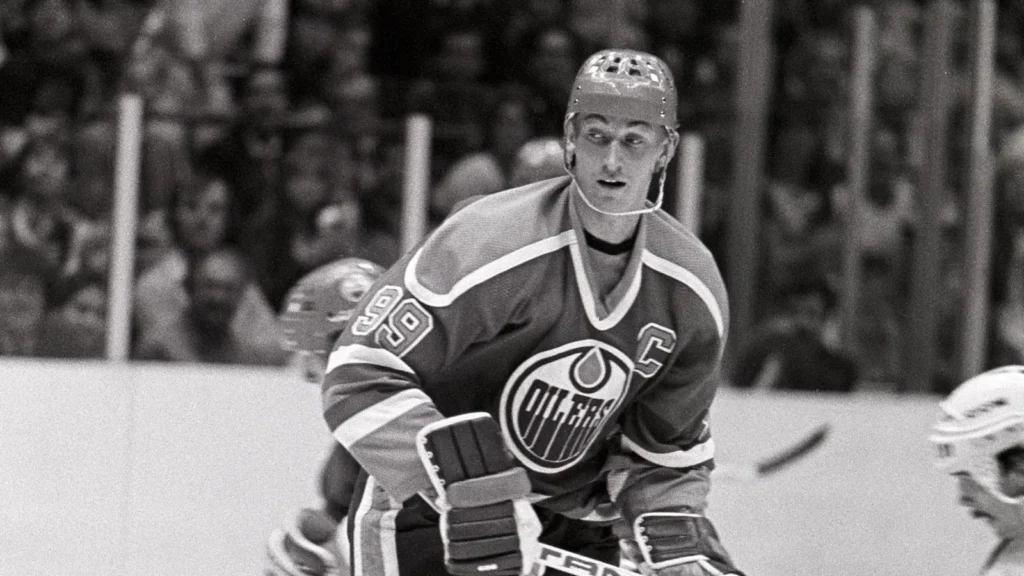
A quiet warning became part of the story
Wayne Gretzky’s retirement decision was shaped by more than one simple moment. He later spoke about opponents warning him before contact, but official NHL and Rangers accounts also point to age, physical wear, and a final season in which scoring goals became harder.
That quiet courtesy still became a memorable part of the way people understood his ending. For a player built on anticipation, the change in how opponents approached him added another layer to his final NHL chapter.
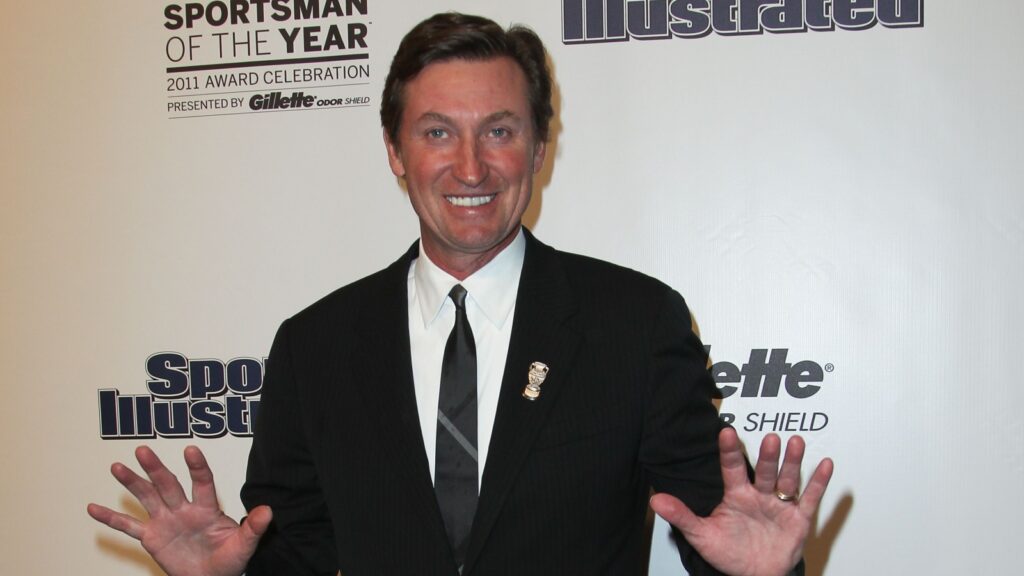
Respect started replacing fear
Gretzky had spent years forcing defenders into uncomfortable choices because one missed read could become a pass, a goal, or another shift controlled by his vision and timing.
When opponents started calling out before hits, the edge felt different. Respect still mattered, but the warning changed the usual pressure from players trying to stop him.

The warning became personal
The warnings were not presented as insults, and Gretzky later described them as part of how opponents treated him near the end of his playing career. That made the moment stand out because courtesy had entered a physical part of hockey.
Gretzky understood that the league was treating him differently. Rivals still respected him, and the warnings became one of the clearest examples of how unusual his final season felt.
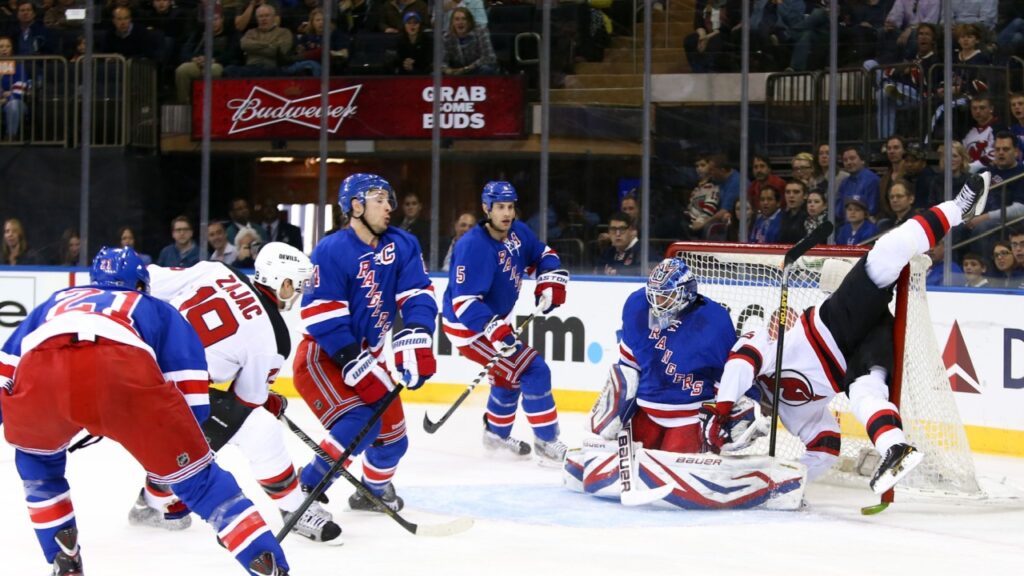
His final season carried a different mood
Gretzky played his final NHL season with the New York Rangers in 1998-99, when every game drew extra attention to his future and a possible farewell.
He still had vision, patience, and passing touch, but the atmosphere around him had changed. Fans, opponents, and reporters knew they might be watching his final NHL chapter.
The issue went beyond one factor
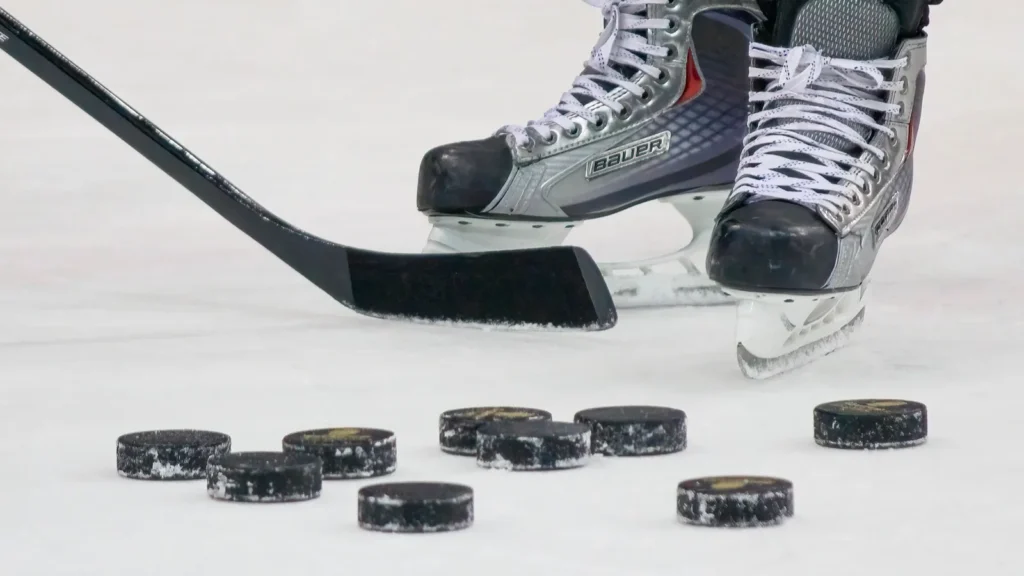
Many retirement stories focus on slower legs, sore bodies, or declining production. Gretzky’s final-season story included those elements, along with his later memory of opponents warning him before contact.
He was not only measuring a stat line. He was also aware of how the game, his body, and the league around him had changed, which made the timing of retirement clearer.

Hockey contact gave the clue meaning
In hockey, a hit is rarely just a hit. It can set a tone, protect space, or remind a star that every inch comes with pressure.
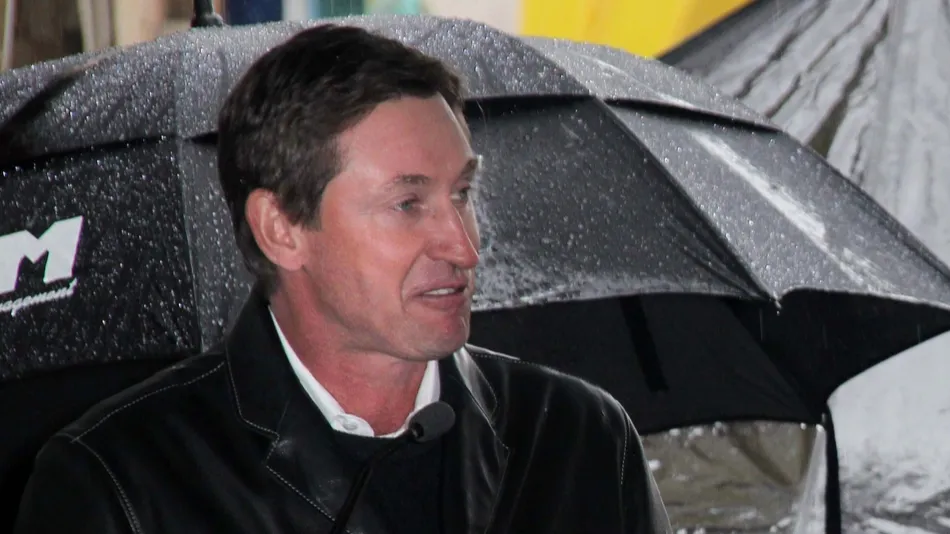
That is why the warnings mattered so much. Opponents were changing the sport’s usual language, and Gretzky understood the difference before anyone needed to explain it.

The old threat had softened
During Gretzky’s prime, defenders could not afford sentiment. They chased him because hesitation could become another dangerous pass through traffic or a goal against them.
By the end, some opponents treated him with unusual care, and that changed the contest’s emotional edge. The respect was real, but the old danger felt softer.
Gretzky read people like plays
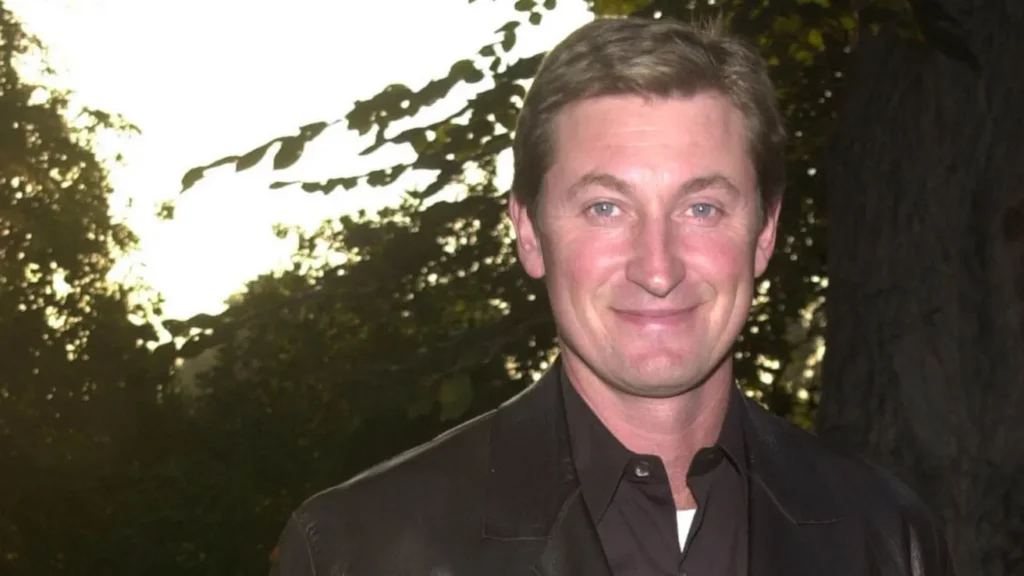
Gretzky’s genius was never only about skating or shooting. He saw patterns early, understood timing, and noticed small choices in body language before they became obvious to everyone else on the ice.
That same instinct helped him recognize his own ending clearly. The warnings were brief, but they revealed a league that treated him differently during the final stretch of his career.

New York became the final stage
The Rangers gave Gretzky’s career a final stage far from Edmonton, where his legend first became impossible for hockey fans to ignore during record-setting seasons.
Madison Square Garden added a ceremony to the end. Every late-career shift felt public, especially once retirement speculation followed him into games, interviews, and postgame questions.

The farewell game made it official
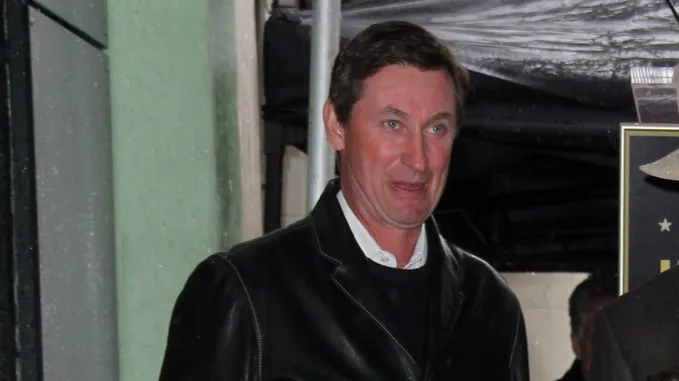
Gretzky played his final NHL game on April 18, 1999, when the Rangers faced the Pittsburgh Penguins at Madison Square Garden in New York.
The night carried obvious emotion, but it also fit the larger story. A career built on anticipation ended after Gretzky had already sensed the change around him.
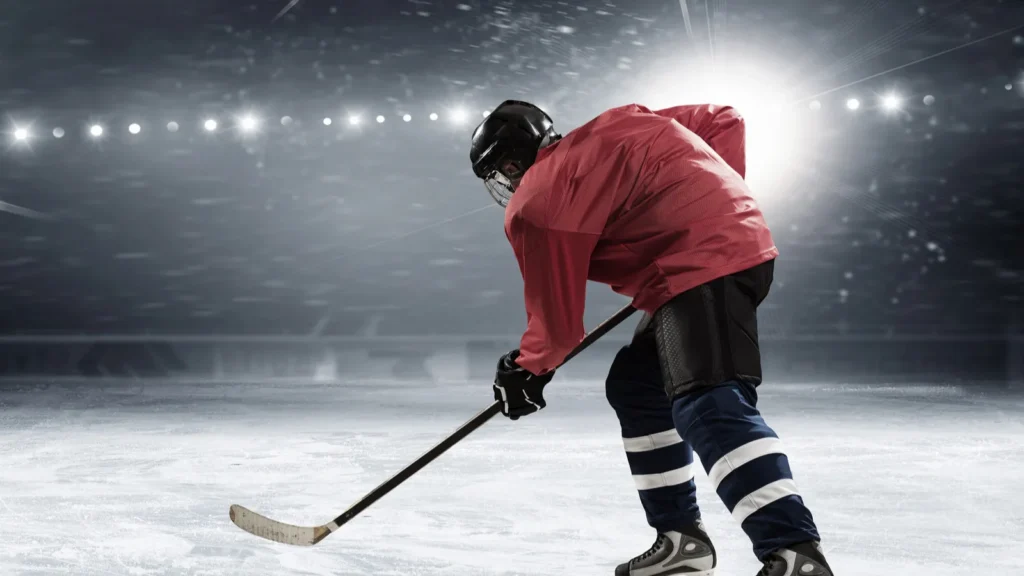
One last point stayed on the sheet
Even in his final game, Gretzky still added a point by assisting Brian Leetch’s goal, giving him 2,857 career points in the NHL record book during an emotional farewell that night.
That final assist mattered because it showed his signature skill one more time. He left the game as a playmaker, not only as a farewell figure for fans in New York.

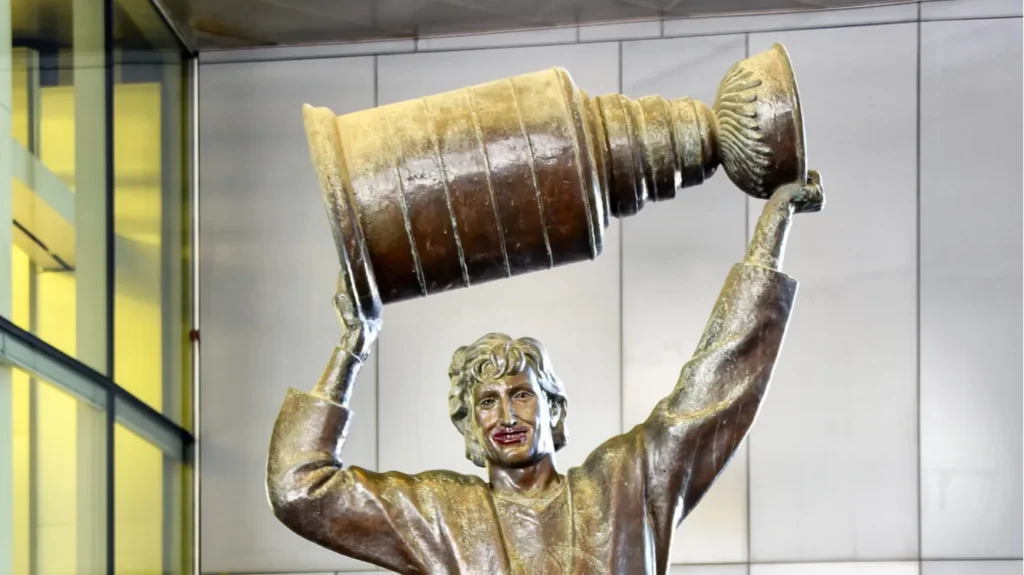
Number 99 became untouchable
Before Wayne Gretzky’s final game, NHL Commissioner Gary Bettman announced that no other league player would wear No. 99 after Gretzky took off his jersey.
That decision showed the size of his departure. Gretzky was not simply leaving the Rangers. The league was closing a full historical era around him.
While Nathan MacKinnon’s clinical precision has rewritten the record books this season, his rise to the top of the NHL goal-scoring race wasn’t overnight. Explore the tactical shifts that fueled this historic surge and dive into his extraordinary journey.
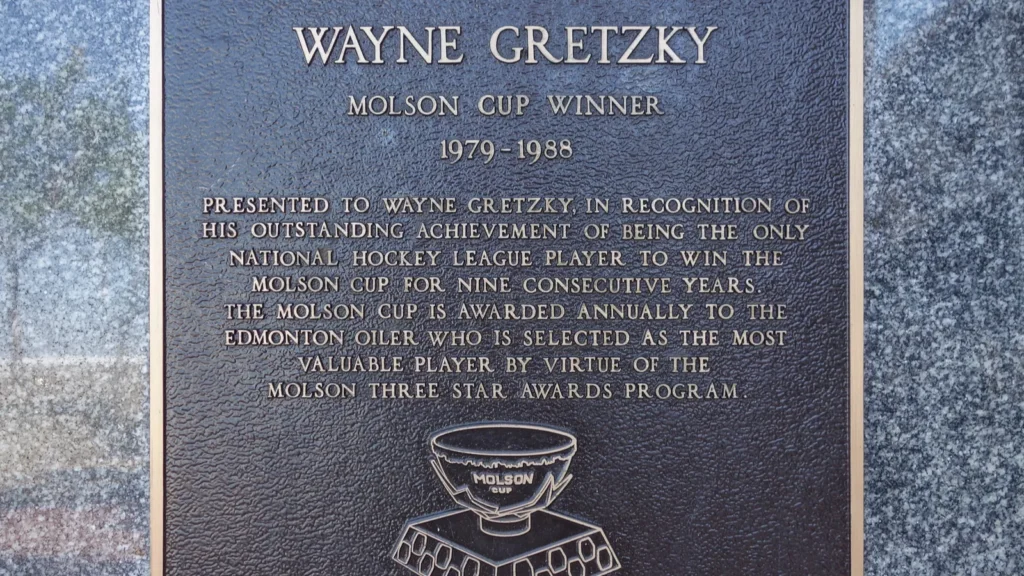
A small courtesy closed a giant career
Gretzky’s retirement story remains powerful because one of its most memorable details was subtle. Rivals warned him before contact, and that respect showed how differently some opponents treated him near the end.
For a player defined by seeing things early, the ending made sense. Gretzky recognized the timing, announced his retirement in New York, and stepped away from the NHL after his final game at Madison Square Garden.
If you’re craving the raw intensity that only a bitter history can provide, you can dive into our definitive ranking of the NHL’s fiercest rivalries and the legendary stories behind hockey’s most explosive face-offs.
Do you think Wayne Gretzky’s opponents’ warning him before contact showed respect, or did it prove the competitive edge around him had changed? Share your thoughts in the comments below!
This slideshow was made with AI assistance and human editing.
Read More From This Brand:


