A reform starts with fan frustration
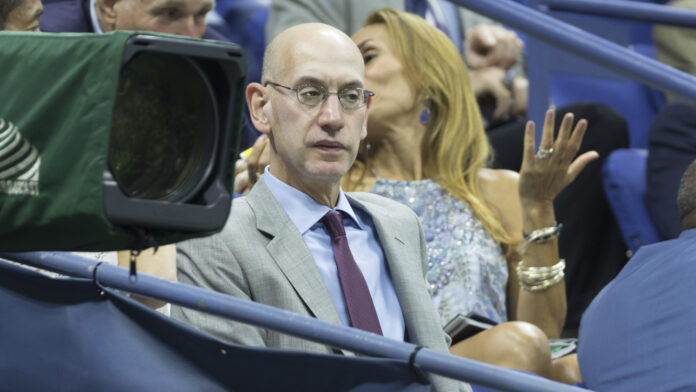
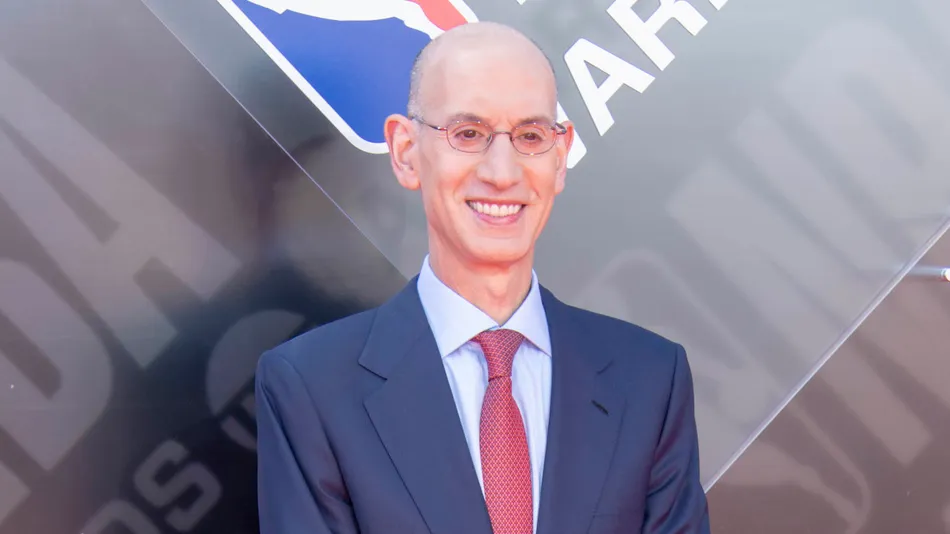
Adam Silver backed lottery reform because the NBA wanted stronger competition while keeping the draft meaningful for teams that genuinely need young talent after difficult seasons and patient rebuilding work.
His concern was trust. Fans can accept rebuilding when it feels honest, but they lose patience when losing looks planned, rewarded, and useful for a franchise chasing better odds instead of wins.
San Antonio gives the issue shape
The San Antonio Spurs showed the positive side of lottery fortune when Victor Wembanyama arrived as the first overall pick in the 2023 NBA Draft and shifted the franchise’s timeline.
That result helps explain Silver’s balancing act. The league wants teams like San Antonio to keep real hope without making deliberate losing feel like smart planning for future success and leverage.
Tanking became too accepted
Silver said tanking was not a new NBA issue, but he was surprised by how quickly it became accepted behavior around draft conversations and team strategy inside the league.
That comment revealed the deeper concern behind the reform. The NBA was not only changing odds but also challenging a mindset that made losing seem practical rather than embarrassing for executives and fans.

The lottery field gets bigger
The new system expands the lottery from 14 teams to 16, adding every team that does not make the playoffs after the Play-In Tournament to the drawing.
That wider field changes the race near the bottom. More clubs receive a draft pathway, while the teams with the three worst records lose some of their previous lottery advantage
The 3-2-1 model arrives
The reform uses a 3-2-1 structure, with lottery balls assigned based on whether teams miss the Play-In Tournament, lose in the Play-In Tournament, or finish with one of the NBA’s three worst records.
That design flattens the old reward ladder. Weaker teams still receive chances, but sinking to the bottom no longer carries the same pull for front offices during rebuild planning.

The worst teams lose leverage
The three teams with the worst records will each lose one lottery ball under the new system, cutting their previous advantage in the draft drawing and reshaping incentives across the standings for struggling teams.
That rule sends the clearest message against tanking. Being bad still matters in the lottery, but being worse than everyone else matters less than before for draft odds in the final standings.
Rebuilding teams still keep hope
Silver and league officials stressed that the reform does not eliminate support for teams facing genuine struggles, including injuries, roster gaps, and difficult developmental seasons across a long season.
The bottom 10 teams in the new system will control roughly 73% of the lottery odds, keeping meaningful draft hope inside the system for struggling clubs and fan bases.

The Spurs show the ideal outcome
San Antonio’s Wembanyama moment remains the clean version of lottery success, with one draft result giving a patient franchise a new basketball direction and stronger relevance in league discussions and competitive storytelling.
Silver wants that possibility protected without encouraging copycat losses across the league. The reform keeps the dream open, but makes it harder for executives to defend the shortcut after one draft night.
A safety net limits the fall
The new rules include a draft floor for the three teams with the worst records, preventing those teams from falling too far on selection night.
Those draft-relegated teams cannot fall below the No. 12 pick. That protection limits the downside for struggling teams while still reducing the reward for deliberate losing.

Repeat jackpot runs face limits
The NBA also prevents a team’s own pick from becoming the No. 1 pick in 2 consecutive drafts under the new lottery reform, which begins with the 2027 NBA Draft.
It also prevents a team’s own pick from landing in the top 5 in 3 consecutive drafts, spreading elite draft opportunities more widely across struggling franchises.
Trade protections become tighter
The reform changes future draft pick protections by blocking teams from attaching new top-12 through top-15 protections to traded first-round picks after the rule takes effect.
That rule matters because picks drive roster building and major trades. Cleaner protection limits can reduce loopholes and make future draft assets easier for teams to value over several seasons.
Enforcement gives the rule weight
The NBA gained stronger tools to respond when a team appears to violate competitive standards through deliberate losing, suspicious roster choices during the season, and front-office behavior during roster decisions.
Possible penalties include reduced lottery odds, changed draft position, and major fines, giving the reform practical force beyond the new formula and a public warning to teams across the league.
Victor Wembanyama’s historic playoff performance still left the Spurs searching for answers afterward. Dive into why the young superstar is putting the pressure on himself despite delivering one of the postseason’s biggest moments.
Silver wants hope without surrender
Silver’s larger message is that rebuilding should remain possible, but fans should not be asked to watch teams treat losing as progress or smart business.
That is why teams like San Antonio matter in this debate. The lottery should offer help to weak teams, not make surrendering over a long season the smartest path to better draft odds.
Miami’s title chase sounds tempting with Giannis Antetokounmpo, but the hidden cost could reshape everything around the Heat. Explore why one huge trade may create more problems than answers.
Do you think Adam Silver’s new lottery system protects honest rebuilding teams, or could it make life harder for weak franchises that truly need help? Share your thoughts in the comments below!
This slideshow was made with AI assistance and human editing.
Read More From This Brand: