


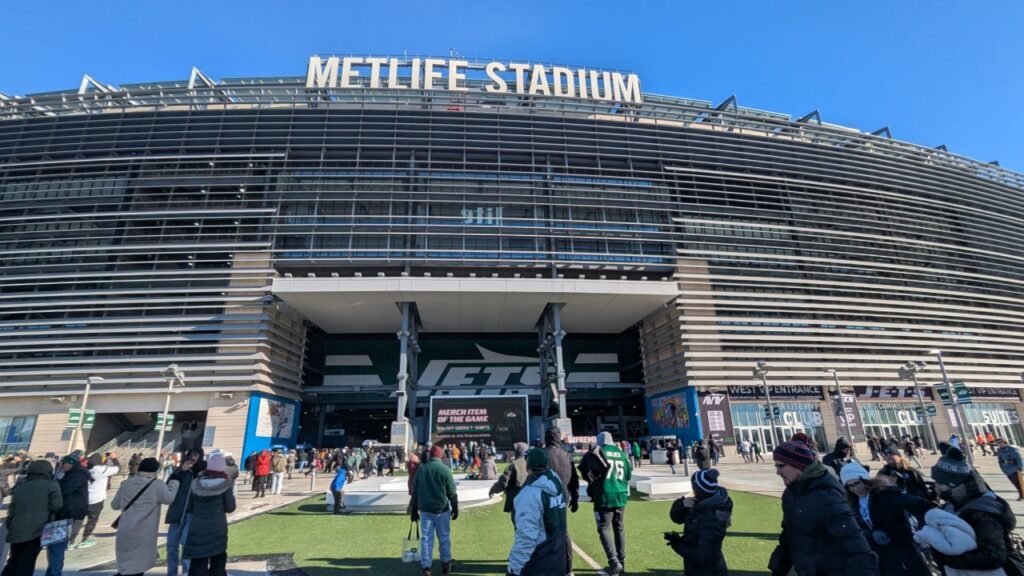
The practical reasons behind MetLife’s field choice
MetLife Stadium has hosted countless memorable NFL moments, but one feature of the venue continues to spark curiosity every season. Its playing surface is carefully chosen for reasons that go far beyond appearance.
From packed schedules to evolving league standards, several factors shape that decision. Here’s a closer look at why one of the NFL’s busiest stadiums continues to rely on artificial turf for game day.
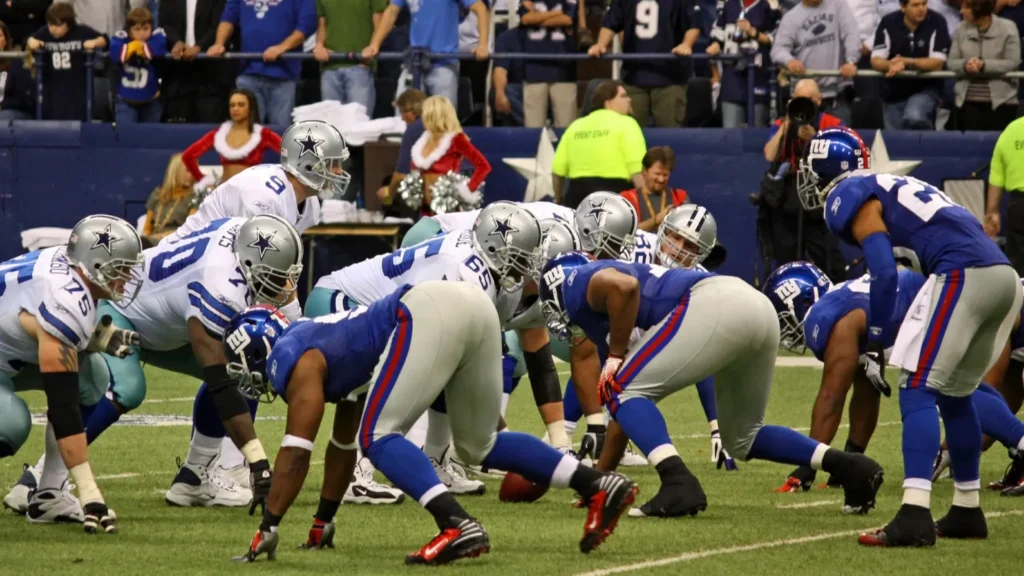
Two NFL teams share one playing surface
MetLife Stadium is one of the few NFL venues shared by two franchises during the same season. The Giants and Jets each host regular-season games, increasing the number of events held on the field.
Artificial turf remains playable after frequent use without requiring the recovery period that natural grass typically needs. This durability helps stadium operators prepare the surface for consecutive games and other scheduled activities.
The stadium hosts events beyond football
MetLife Stadium regularly welcomes concerts, international soccer matches, college football, and other large entertainment events. These activities create additional wear on the playing surface throughout the year.
Artificial turf generally tolerates heavy foot traffic and repeated stage installations better than natural grass. Using a synthetic surface helps the stadium maintain a consistent field while accommodating a busy calendar of major events.
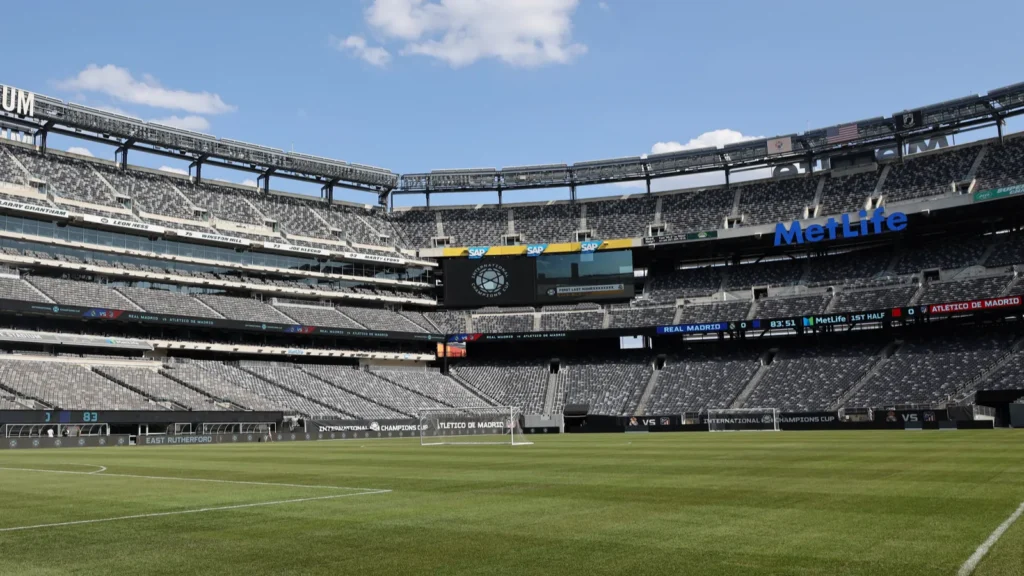
Modern turf systems continue to evolve
MetLife Stadium installed a FieldTurf CORE synthetic surface in 2023 to replace its previous field. The system uses multilayer, dual-polymer monofilament fibers and heavyweight infill designed to support durability and consistent performance.
The NFL and NFL Players Association continue evaluating natural and synthetic surfaces through laboratory research and field testing. Beginning with the 2026 season, clubs must select from approved field systems, and all NFL stadiums must meet the enhanced standards by 2028.
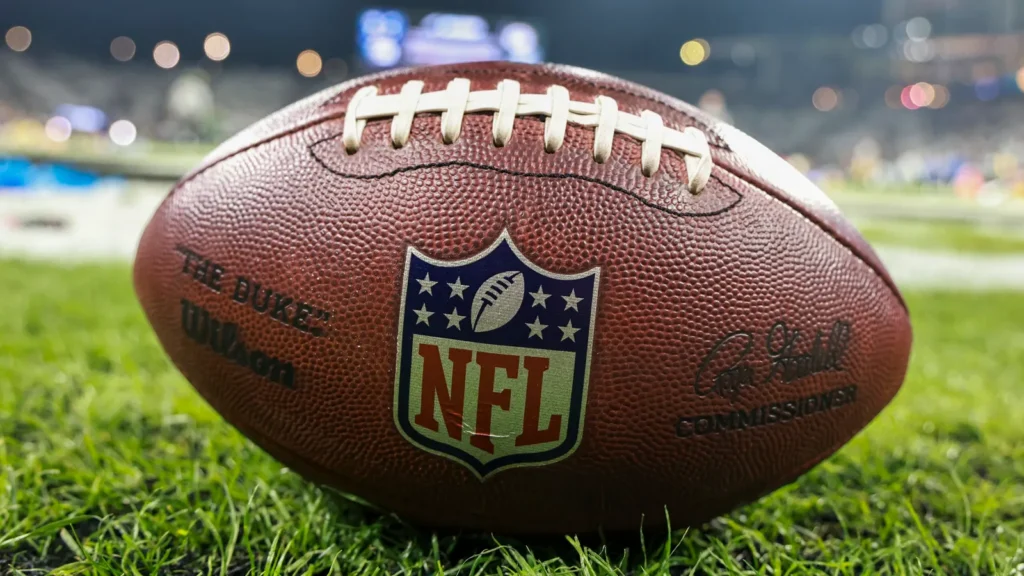
The NFL permits both grass and turf
NFL rules allow teams to use either natural grass or approved artificial turf for regular-season games. Every surface must satisfy league performance and safety requirements before being used in competition.
League officials evaluate fields using specialized testing equipment that measures traction, firmness, and consistency. These standards apply regardless of whether a stadium chooses a grass, hybrid, or synthetic playing surface.
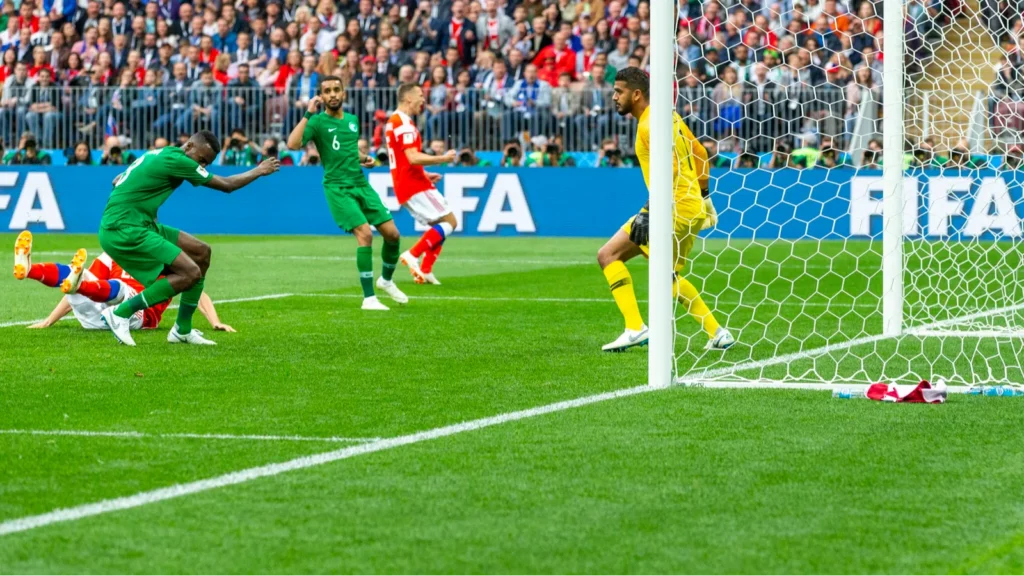
FIFA requires a different surface
MetLife Stadium installed a temporary natural-grass field for the 2026 FIFA World Cup, which concluded on July 19. The tournament’s pitches used natural grass, in line with FIFA guidelines, which also allow grass reinforced with synthetic fibers.
At MetLife Stadium, layers of sand, drainage materials, and natural grass were installed over the synthetic NFL field. The temporary pitch is expected to be removed as the venue prepares to return to its regular football configuration for the 2026 NFL season.
Turf remains part of a leaguewide discussion
Playing surfaces continue to receive attention from the NFL, NFL Players Association, engineers, teams, and stadium operators. Research and field testing are being used to improve safety and consistency across league venues.
The NFL’s updated program focuses on measurable field performance rather than treating every grass or synthetic surface as identical. Approved field requirements began with the 2026 season, and every NFL stadium must meet the enhanced standards by 2028.
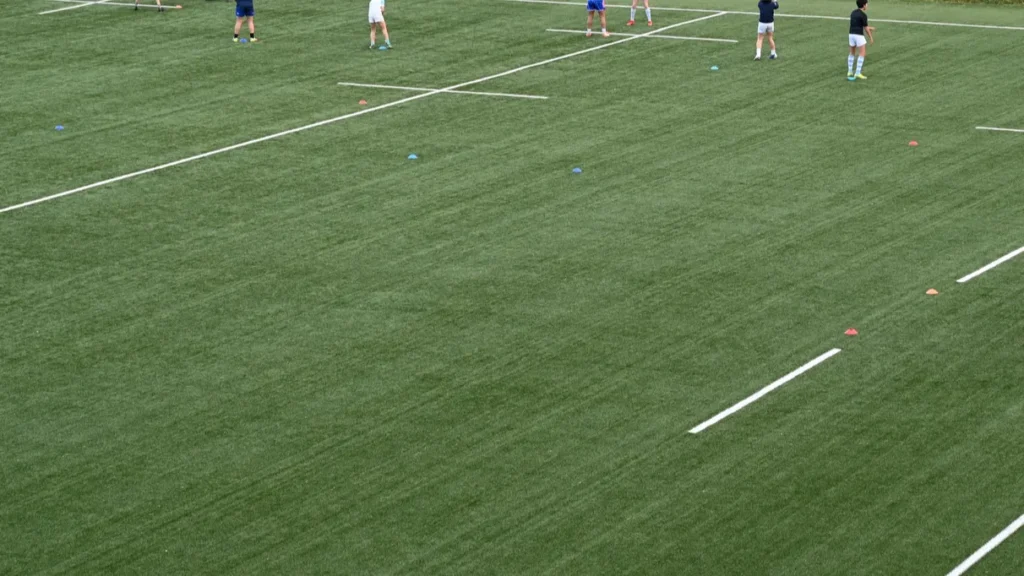
Artificial turf reduces recovery time
Artificial turf does not require sunlight, irrigation, regrowth, or root recovery between NFL games. That allows stadium crews to prepare the surface for football and other scheduled events without waiting for living grass to recover.
Synthetic fields can also return to use more quickly after concerts or major events because damaged grass does not need to be regrown or replaced. The field still requires inspection, cleaning, maintenance, and certification before NFL games.
Engineers regularly test NFL playing surfaces
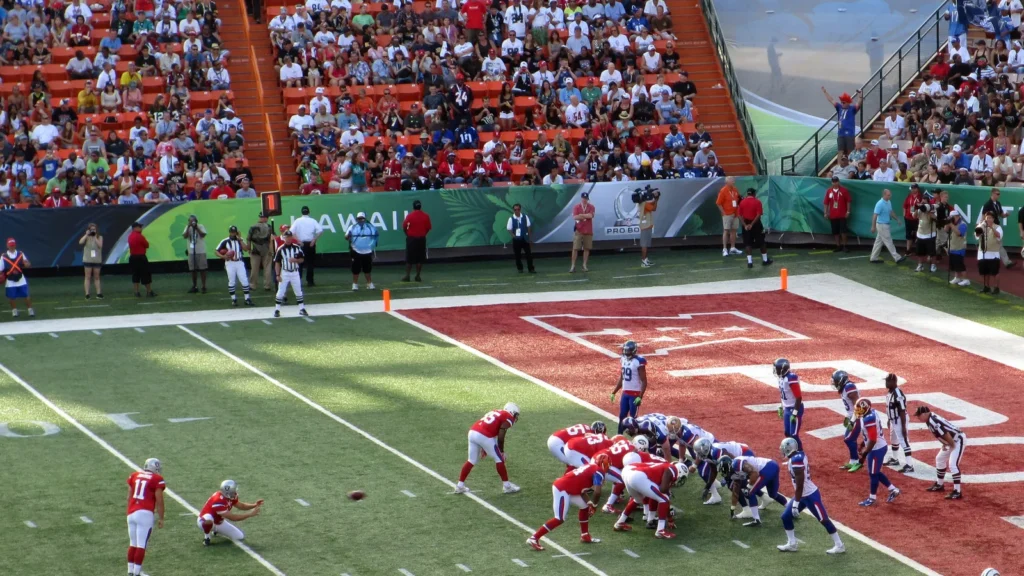
Every NFL stadium follows inspection procedures that evaluate the condition of its playing field before games. Engineers measure characteristics such as traction, impact absorption, and consistency using specialized testing equipment.
These inspections help verify that both grass and synthetic fields meet league requirements. The testing process has become more standardized as the NFL and NFLPA continue updating surface performance guidelines.
Weather has less impact on synthetic fields
Artificial turf remains usable through changing weather conditions during the NFL season. Unlike natural grass, synthetic fields do not develop muddy soil conditions because they do not rely on a natural soil root zone.
Modern synthetic systems also include drainage designs that help remove water after rainfall. These features allow games to continue under a wide range of weather conditions while meeting NFL operating standards.

Stadium design influences field decisions
MetLife Stadium is an open-air venue, but its field must support home games for both the Giants and Jets as well as concerts and other major events. That demanding schedule creates maintenance and recovery challenges for a permanent natural-grass surface.
Natural grass requires irrigation, sunlight, healthy roots, drainage, and time to recover from wear. Stadium operators must consider those requirements alongside climate, event frequency, maintenance resources, and league performance standards when choosing a playing surface.

The league continues updating field standards
The NFL recently introduced enhanced playing surface requirements based on extensive laboratory and on-field testing. New installations beginning with the 2026 season must use approved systems that satisfy established performance measurements.
By 2028, every NFL stadium must comply with the league’s updated surface standards regardless of field type. The program applies to natural grass, hybrid grass, and synthetic surfaces alike.
The internet is also talking about Tom Brady draws attention with Sophie Cunningham meme on Fourth of July.
Artificial turf supports MetLife’s schedule
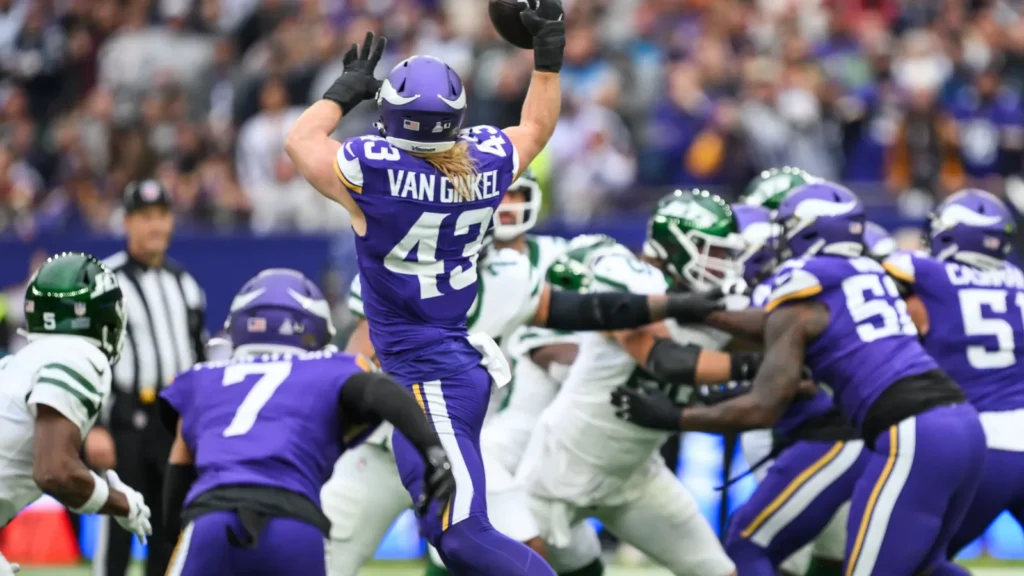
MetLife Stadium’s standard NFL configuration features artificial turf, serving as the home field for both the Giants and the Jets and hosting numerous major events. The FieldTurf CORE system installed in 2023 is the stadium’s most recent synthetic playing surface.
The NFL permits natural, hybrid, and synthetic fields that meet its performance requirements, rather than requiring a single universal surface type. Approved-field rules began with the 2026 season, and every NFL stadium must meet the enhanced standards by 2028.
In other news, Chicago Bears’ Indiana stadium push revives debate over team’s name.
What do you think about MetLife Stadium’s decision to use artificial turf for NFL games? Share your thoughts in the comments, and don’t forget to like this slideshow if you found it informative.
This slideshow was made with AI assistance and human editing.
Read More From This Brand: