The comparison arrives
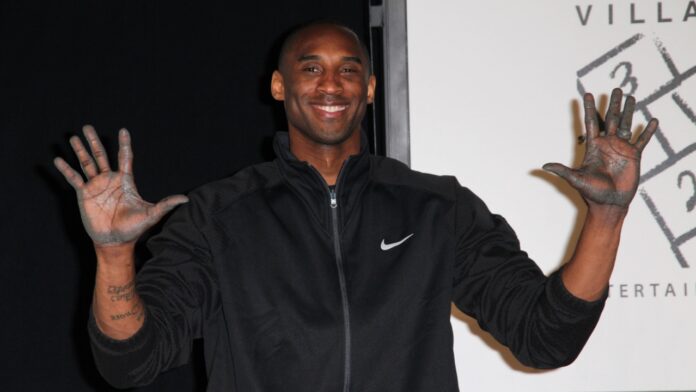
Kobe Bryant entered the NBA as a Lakers rookie with unusual noise around him, because people were already measuring his game against Michael Jordan’s standard before proof arrived.
Instead of acting surprised, Bryant said he expected those comparisons. He had heard similar talk in high school, so the NBA version felt familiar from the start.
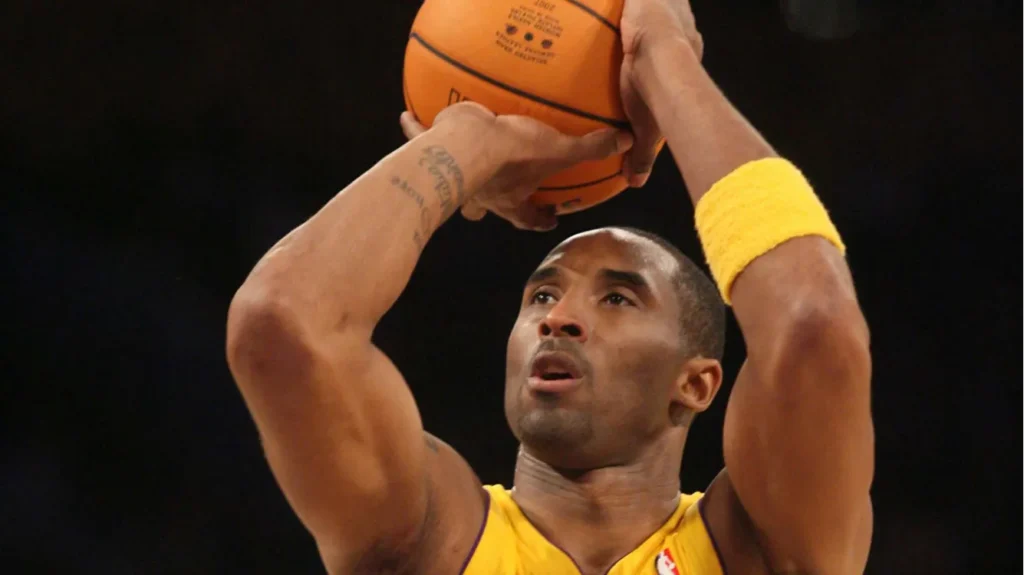
High school prepared him
Bryant said the labels had followed him before Los Angeles, including in high school, which explains why the Jordan talk felt less shocking once reporters asked about it.
He had already drawn attention at Lower Merion, where scouts watched his talent closely and linked his future to bigger names before the 1996 draft and pro leap.
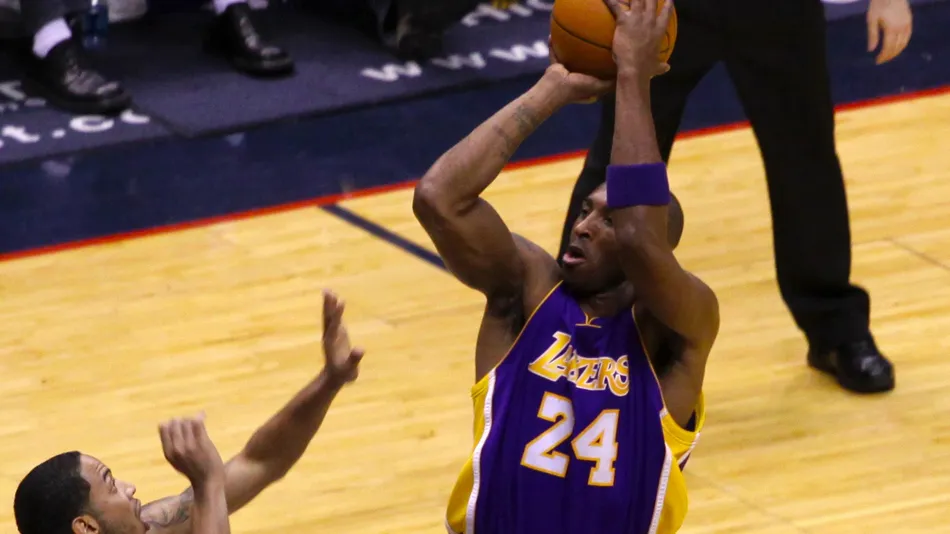
The frame invited the talk
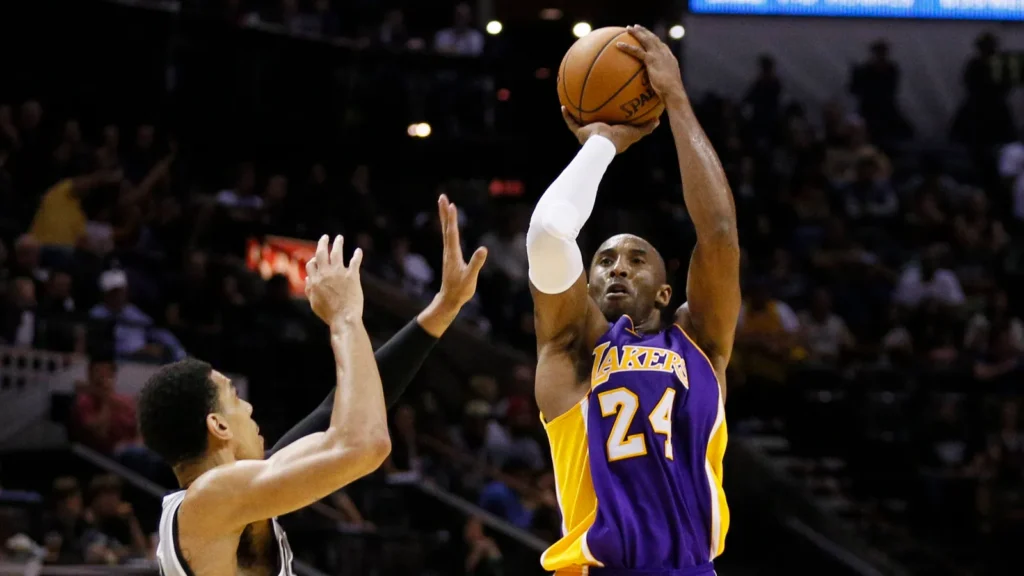
Part of the comparison came from the obvious visual match. Bryant was a 6-foot-6 guard with athletic burst, hang time, and scoring confidence for evaluators.
That profile made writers and fans reach for Jordan because both played on the wing, attacked defenses, and looked comfortable creating difficult shots against set NBA defenses.
He treated pressure as noise
Bryant’s response was simple. He did not act offended, excited, or overwhelmed by the Jordan label, because he had already expected it during the Doc Rivers interview.
That reaction showed a young player choosing control. He could not stop the outside talk, but he could decide how much it affected him personally each day.
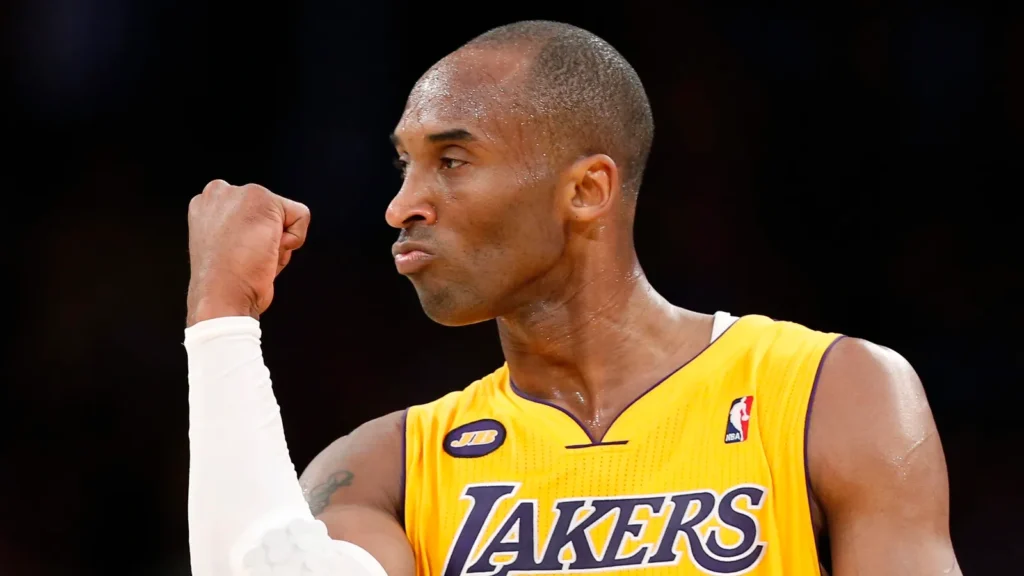
He separated style from identity
Bryant also pushed back on the idea that comparison meant sameness. He said there was no real comparison because they were different people in that answer as players.
That distinction mattered. He understood why fans noticed similarities, but he did not want his career reduced to another player’s outline under Los Angeles pressure as a rookie.

The similarities had limits
Bryant acknowledged the basic parallels without overplaying them. Height, jumping ability, and position created a visible link, not a complete basketball match, when reporters asked him directly.
That answer gave him room to respect Jordan while still protecting his own path. He accepted the surface talk without surrendering individuality or ambition as a rookie.
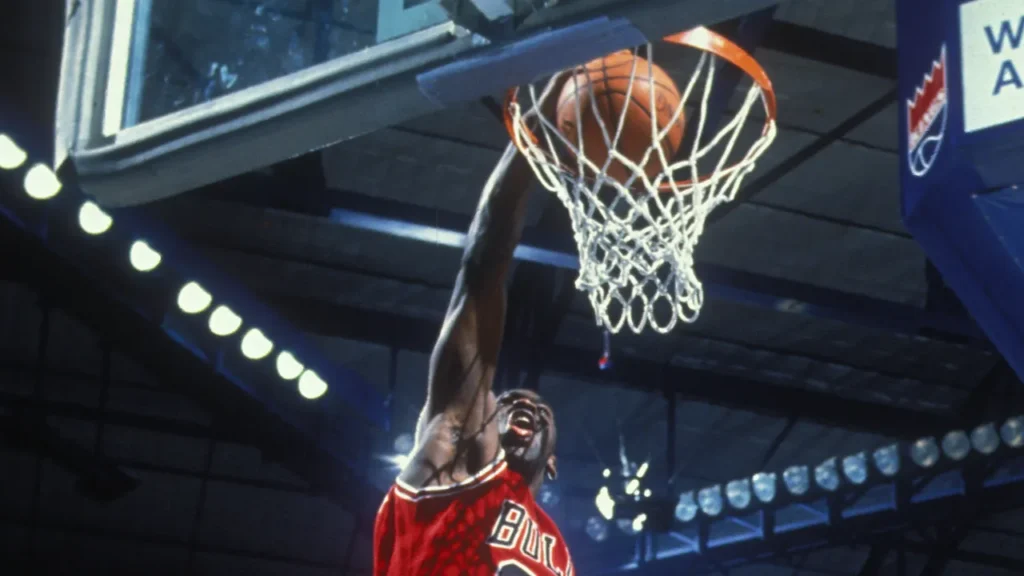
Jordan’s edge stood apart
When Bryant discussed Jordan, he focused less on fame and more on mentality. Jordan’s desire to cut into opponents made the biggest impression on him personally.
That detail reveals what Bryant valued early. He was not only studying moves, because competitive instincts mattered just as much to him as his career began inside the league.
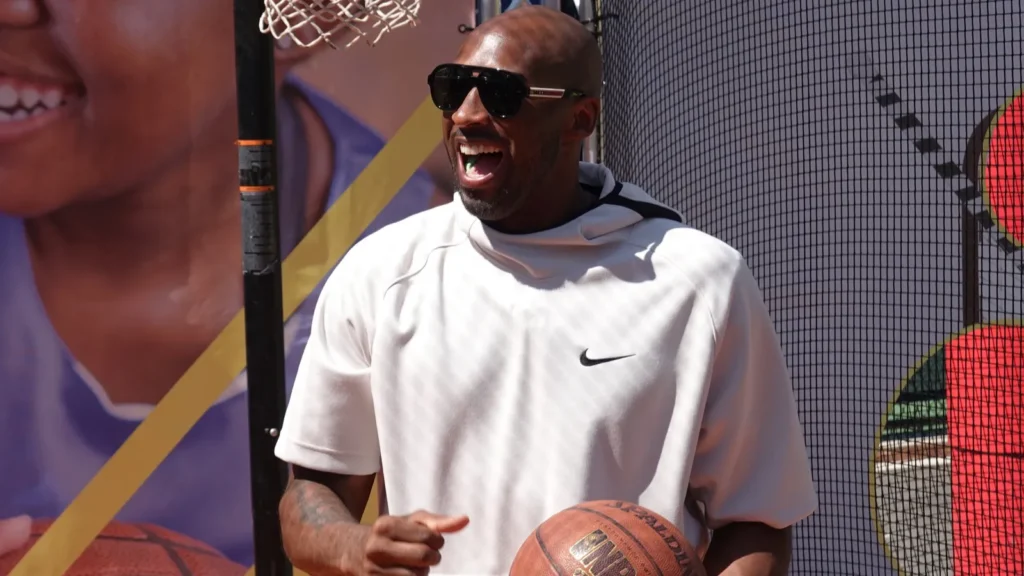
Kobe knew he was not finished
Bryant admitted he had not reached that same level of mindset yet, which made his confidence more grounded than arrogant, with reporters listening closely during that early interview.
He was ambitious, but he still recognized development. That balance helped explain why he dismissed pressure without pretending he had already solved everything as a young guard.
The Lakers stage made it louder
Joining the Lakers made every comparison bigger because Los Angeles turned a rookie storyline into a daily conversation across television, newspapers, and arena crowds after draft night for fans.
A quieter market might have softened the spotlight. In purple and gold, Bryant’s calm answer became part of how fans judged his readiness from day one as a teenager.
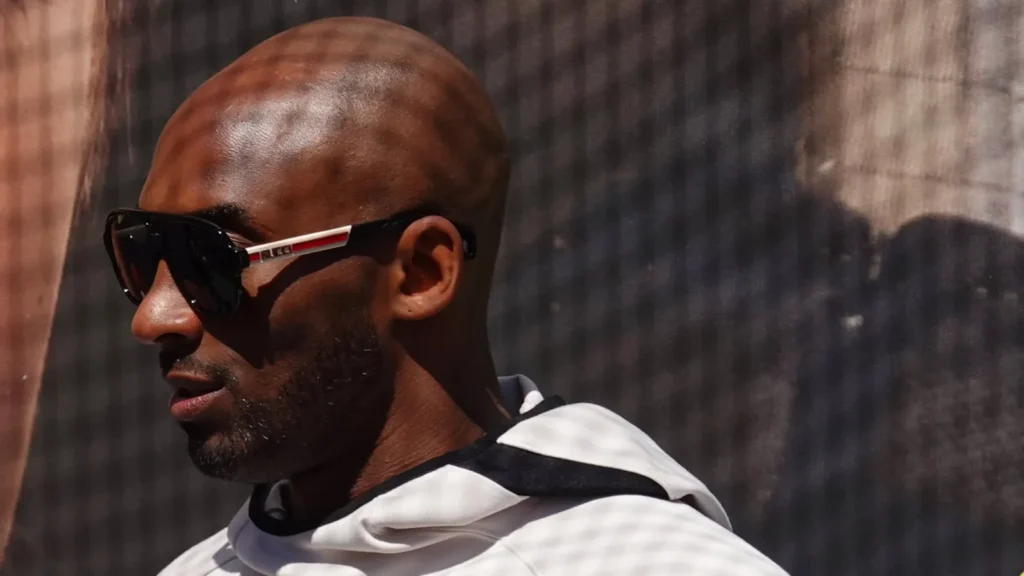
His answer showed early focus
The most revealing part was not that Bryant expected the Jordan talk. It was how quickly he moved past it toward his own work in Los Angeles.
That mindset fits a teenager trying to earn minutes on a veteran roster, where attention meant nothing unless it became progress under real minutes pressure in games.
Fun fact: Michael Jordan once called Kobe Bryant an “annoying little brother” because Kobe constantly asked questions, borrowed ideas, and studied nearly every detail about Jordan’s game.
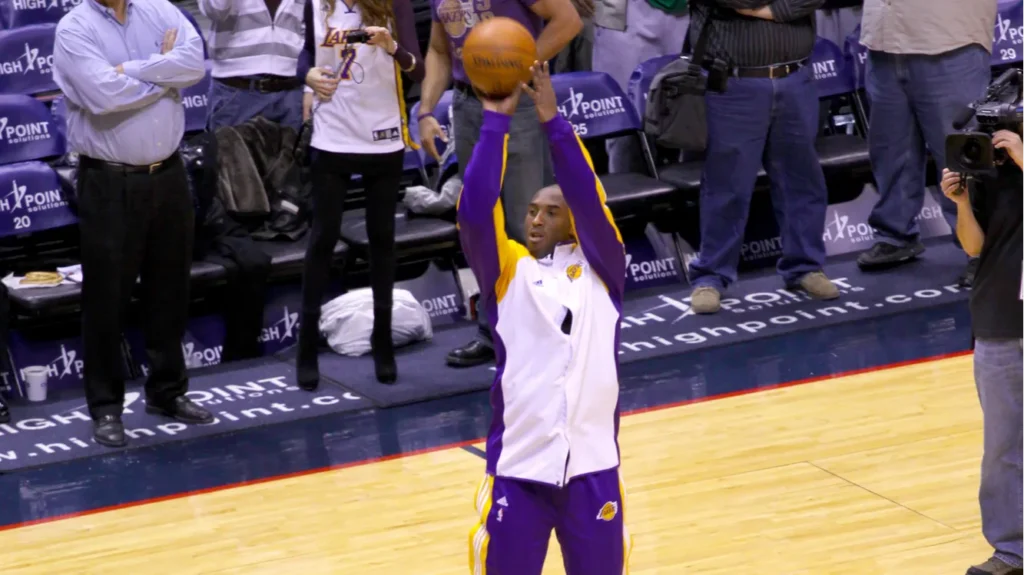
The pressure became useful fuel
By refusing to panic over comparisons, Bryant turned the noise into something manageable. He treated it as background, not a verdict on him during his rookie season.
That gave him space to grow inside the Lakers’ system, learn from mistakes, and build habits without letting every headline define him during the early Lakers years and practices.
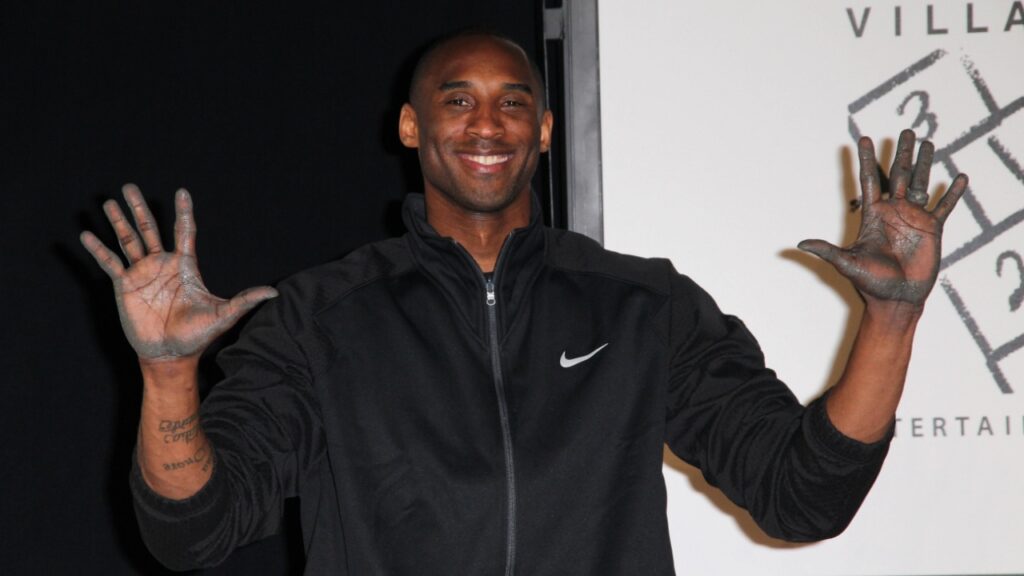
The quote aged differently
Looking back, Bryant’s calm response feels striking because the comparison never really disappeared. It followed him through debates, highlights, and career milestones across NBA conversations among fans.
What changed was the meaning. Early pressure became proof of expectation, while later success made the old rookie quote sound almost prophetic to fans who remembered it.
The New York Knicks may face a difficult roster decision if Giannis Antetokounmpo becomes available. Explore why the NBA’s growing youth movement could completely reshape how New York approaches a blockbuster pursuit.

The lesson behind his calm
Bryant dismissed the pressure because he already understood the trap. Chasing Jordan’s shadow could distract him from building his own career and earning respect on his terms.
His answer worked because it was direct and confident. He respected the comparison, understood the reason, and still refused to be boxed in by it as a rookie.
Victor Wembanyama’s historic playoff performance still left the Spurs searching for answers afterward. Dive into why the young superstar is putting the pressure on himself despite delivering one of the postseason’s biggest moments.
Do you think Kobe Bryant handled the Michael Jordan comparisons better than most young stars would have, or would that level of pressure overwhelm nearly any rookie entering the NBA?
This slideshow was made with AI assistance and human editing.
Read More From This Brand: