
The season’s center suddenly changed
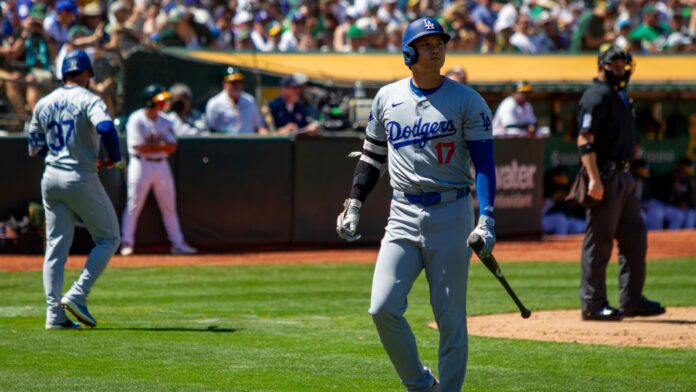
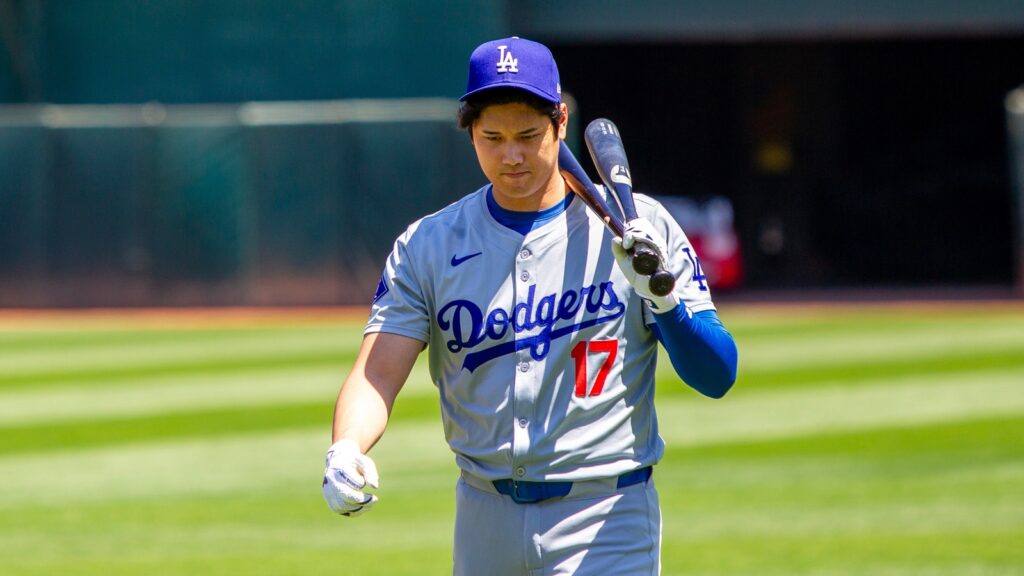
Shohei Ohtani’s season took an unexpected turn in early May, when the latest starting pitcher rankings moved him to No. 1. That shift changed his story from offensive disappointment to pitching dominance.
For a player usually judged first by his bat, that was a dramatic reversal. His hitting had cooled, but his work on the mound had become too overpowering to ignore.

The ranking had real statistical weight
This was not a reputation-only promotion. Through six starts, Ohtani owned a 0.97 ERA, the lowest mark in the majors at that point, giving the ranking a strong statistical foundation.
He had allowed only four earned runs across 37 innings, which meant the rise was backed by results, not hype. The ranking simply reflected how dominant his opening pitching stretch had been.
Hitters were barely making contact
Opponents were batting just .160 against Ohtani with a .489 OPS, a clear sign that they were not finding comfort, rhythm, or much hard contact against him during this early run.
Those numbers matter because they show more than run prevention alone. They reveal how thoroughly he was controlling plate appearances, limiting both quality contact and the damage that usually follows sustained traffic.
Every outing followed the same script
Ohtani’s dominance was not scattered across one or 2 special starts. He opened this stretch with 6 straight outings of at least 6 innings, giving the Dodgers dependable length every time.
That consistency made his case stronger than a flashy highlight reel ever could. The best pitchers separate themselves by repeating excellence, and Ohtani kept delivering nearly the same answer every turn.
The strikeouts made the case even louder
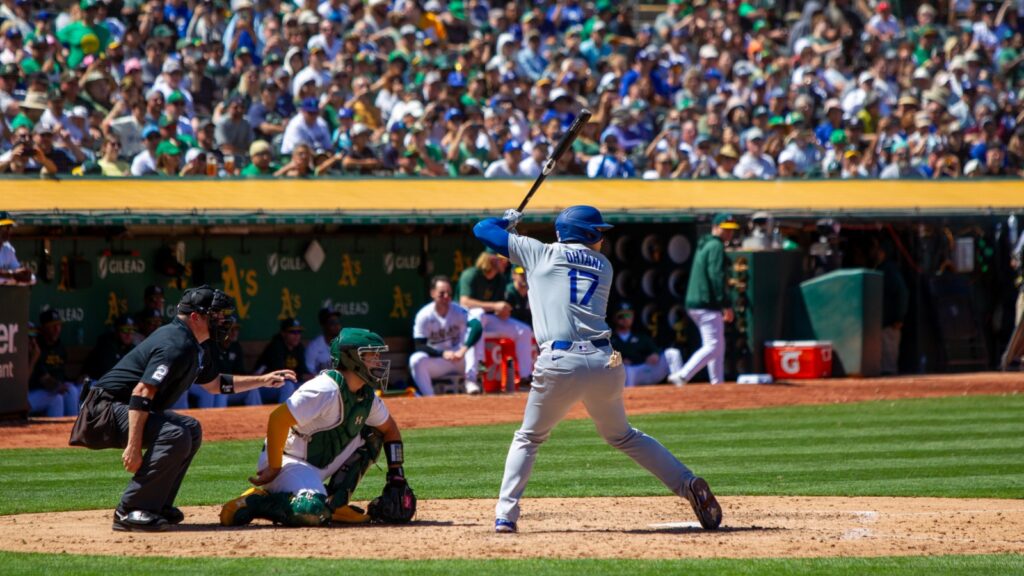
Ohtani had 42 strikeouts in 37 innings, which showed his rise was not built only on soft contact or sequencing. He was still missing bats at a truly elite level.
That matters because swing-and-miss stuff is usually what separates a hot start from a legitimate ace profile. Ohtani was not surviving on good fortune; he was overpowering hitters with premium stuff.
He kept damage capped every time out
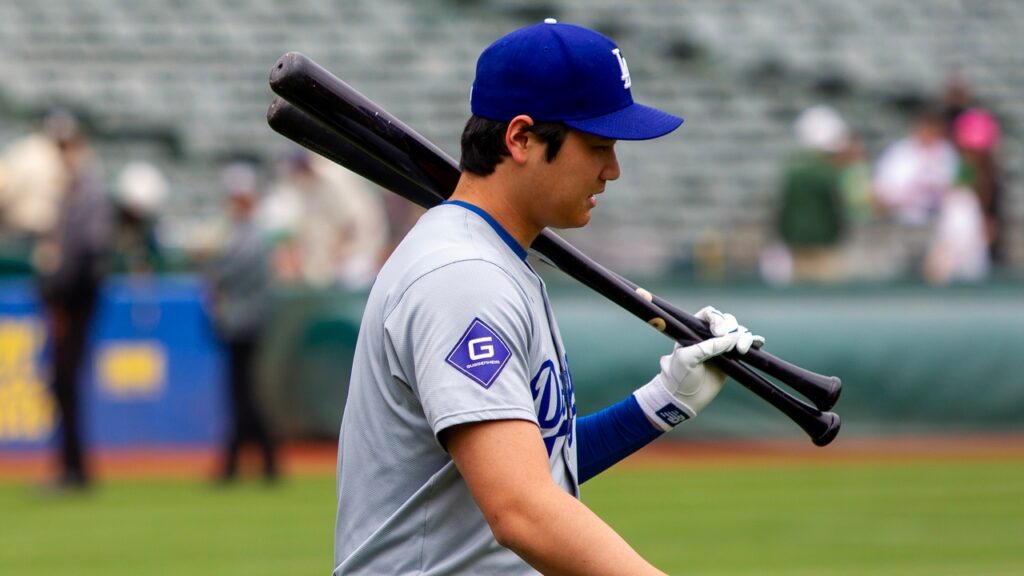
One of the sharpest details from his start was how little opponents actually did against him. He had not allowed more than 2 earned runs or 5 hits in any outing.
That kind of steadiness is what pushed him beyond ordinary excellence. Instead of mixing gems with uneven starts, he kept delivering controlled, low-damage performances that left almost no room for offensive comfort.
The Houston start strengthened everything
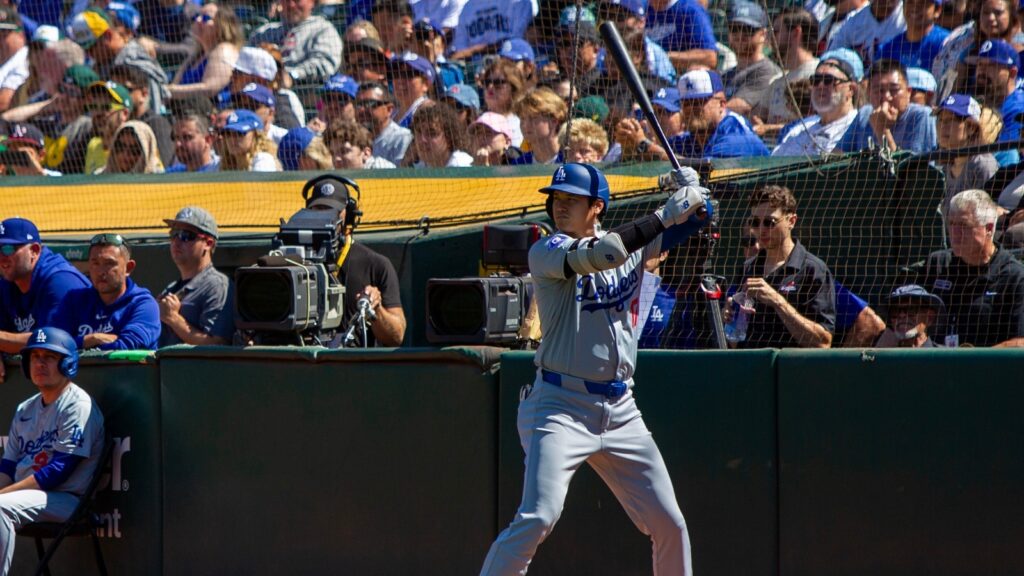
His latest outing before the ranking update came May 5 at Houston, when he went 7 innings, allowed 4 hits, gave up 2 earned runs, and struck out 8.
Even though the Dodgers lost 2-1, the performance still looked like another ace-level start. It showed command, durability, and strikeout force at exactly the moment his pitching case was peaking.
The bat looked quiet by his standards
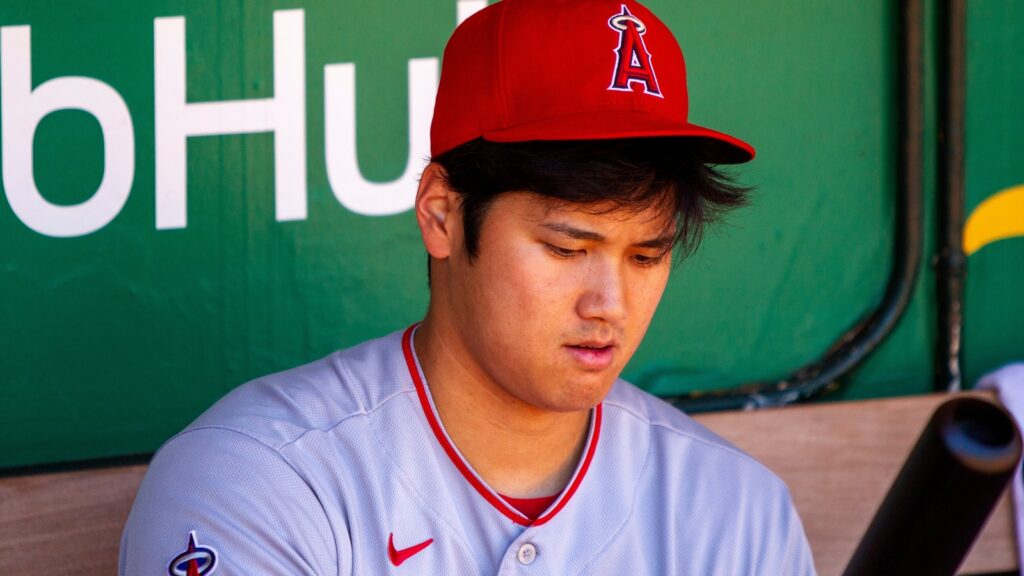
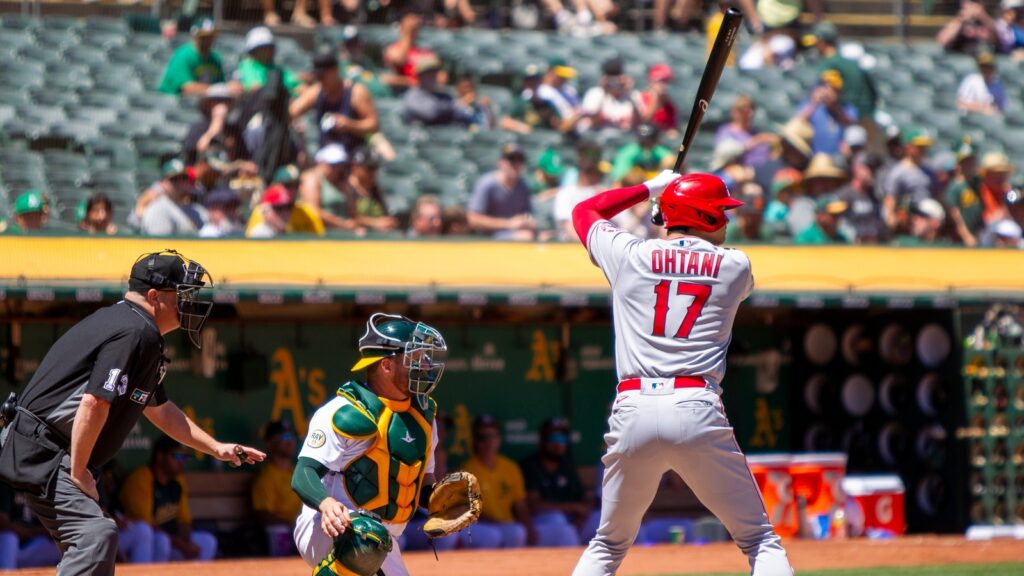
At the plate, Ohtani’s line looked modest compared with what people expect from him. He entered this stretch batting .248 with 6 home runs, 16 RBI, and an .822 OPS.
For many hitters, that would still count as useful production. For Ohtani, it registered as a slump because his recent offensive standards had become far more explosive than those numbers suggested.

His swing path had clearly changed
The hitting slowdown did not look random. Reports on his approach showed he had become far more pull-heavy, sending the ball to the right side 53.4% of the time entering Monday.
That was up from 43.2% last season, which pointed to a real adjustment issue rather than simple bad luck. His offense had shifted, but not enough to cancel everything happening on the mound.
Pitching flipped the entire conversation
Normally, any slump from Ohtani at the plate would dominate discussion around him. This time, his pitching was so overwhelming that it pushed the offensive dip into the background.
That is what made the moment feel different. His season was no longer being framed mainly through home runs and OPS, but through run prevention, strikeouts, and the authority of a frontline ace.
Fun fact: Shohei Ohtani believes that picking up trash on the field is actually “picking up luck” that others threw away. This quirk is part of a goal-setting chart he created at 18 to master his own karma.

The Dodgers were not fully cashing it in
There was another strange wrinkle to the rise. The Dodgers were only 2-4 in Ohtani’s starts at that point, despite how dominant he had been on the mound.
In those 4 losses, the offense had scored only 5 total runs. That made his case even more unusual, because the ranking came from pitching quality, not from a clean win-loss record.

A Cy Young path suddenly looked real
The surge also opened a different kind of conversation around Ohtani. With that ERA, strikeout total, and start-to-start control, a serious Cy Young push no longer sounded far-fetched.
That mattered because the best pitcher label was not just a temporary compliment. It suggested his season had taken on a completely new shape, one driven by award-level work on the mound.
The historic integration of Japanese stars like Shohei Ohtani and Yoshinobu Yamamoto has transformed Major League Baseball into a truly global powerhouse. Explore the unique cultural exchange and scouting pipelines that are currently shaping the next decade of international dominance.
The slump made the pitching shine brighter
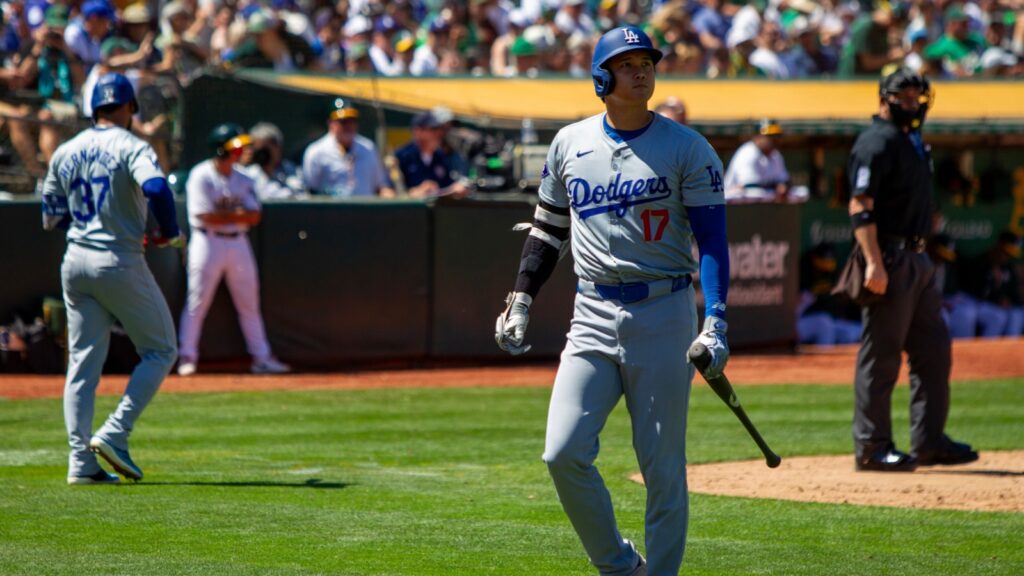
So the strange truth is that Ohtani’s batting slump did not weaken his season story. In some ways, it sharpened it because it forced attention onto his pitching greatness.
That is why he could credibly be described as baseball’s top-ranked starter in that moment. The offense had cooled, but the pitching was so dominant that it changed the balance.
Two-way superstar Shohei Ohtani has consistently defied expectations by excelling as both a hitter and an elite pitcher for the Los Angeles Dodgers. Explore the advanced recovery metrics and mound progress that suggest Ohtani is ready to dominate once again.
Do you think Shohei Ohtani’s recent dominance as a starting pitcher officially makes him more dangerous on the mound than at the plate, or is his current batting slump just a temporary distraction from his two-way greatness? Let us know your take on his Cy Young chances in the comments!
This slideshow was made with AI assistance and human editing.
Read More From This Brand: