
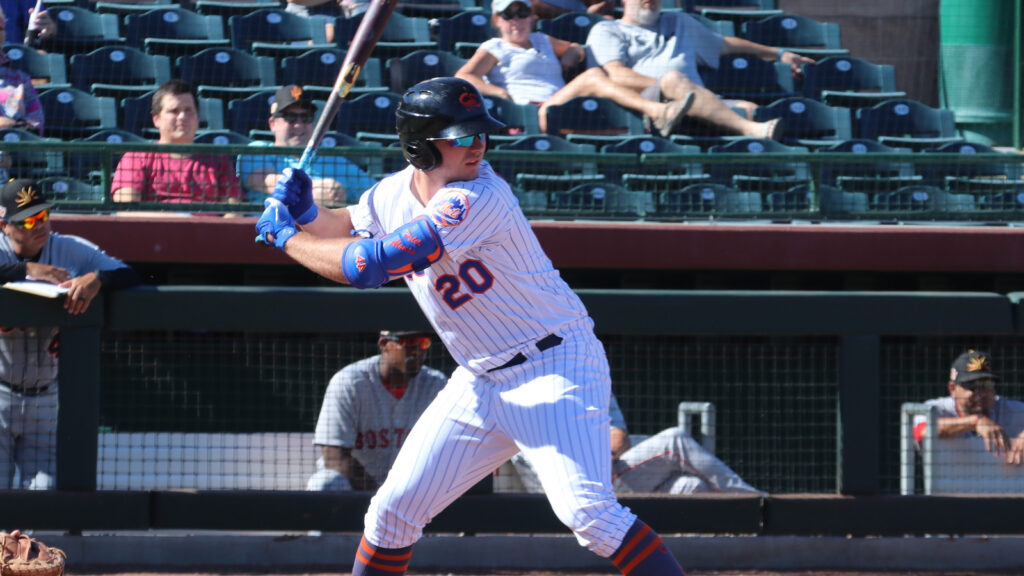
Pete Alonso home run ruling stands
Pete Alonso of the Baltimore Orioles had a potential go-ahead home run ruled foul against the New York Yankees on August 19, 2026, at Oriole Park at Camden Yards in the seventh inning.
The game was tied 3-3 when Alonso drove a pitch high toward the left-field foul pole. The foul ruling stood after a crew chief replay review handled through MLB’s Replay Operations Center in New York.

Pete Alonso call goes to replay
Alonso’s deep seventh-inning drive was initially ruled foul as it traveled near the left-field pole. Orioles manager Craig Albernaz then requested a crew chief review of the boundary call during play.
The Replay Official could not definitively determine that the ball left the playing field in fair territory, so the original foul ruling stood. Alonso returned to the plate instead of receiving a go-ahead home run.

Pete Alonso says second angle was missing
Alonso said he was told two camera angles were needed to overturn the ruling. He believed the clearest view came from a camera positioned down the line, but no other confirming angle was available.
MLB’s Replay Official said the available video did not definitively show that the ball left the field in fair territory. The original ruling therefore stood, keeping the score tied at 3-3.
Pete Alonso drive rose above foul pole
One replay angle appeared to show the ball passing on the fair side of the left-field foul pole. However, the camera perspective made it difficult to establish the ball’s exact path with certainty.
The drive traveled unusually high and appeared to rise above the height of the foul pole. That trajectory made the fair-or-foul judgment harder to resolve from the available broadcast views.

Pete Alonso missed his 30th homer
Alonso had already homered in the third inning, making the disputed drive a potential second home run that night. If ruled fair, the seventh-inning ball also would have been his 30th homer of 2026.
Alonso returned to the batter’s box after the review and struck out to end the inning. The foul ruling prevented Baltimore from taking what would have been a 4-3 lead.
Pete Alonso call came before Yankees rally
The Yankees scored two runs in the top of the eighth inning after the review. George Lombard Jr. delivered the go-ahead run with an infield single before another run scored on a wild pitch.
New York protected the advantage and won 5-3. David Bednar worked a scoreless ninth for his 29th save, while Brent Headrick earned the victory after pitching a scoreless seventh inning.

Pete Alonso had already homered
Ben Rice also homered for New York, while Dylan Beavers went deep for Baltimore. Alonso’s earlier home run helped the Orioles stay close before Beavers tied the game with a solo drive in the sixth.
Eight of nine Yankees starters recorded at least one hit in the victory. Baltimore went without a hit in six opportunities with runners in scoring position, limiting its chances beyond the home runs.
Pete Alonso call drew Albernaz response
Craig Albernaz said Orioles players could see ball-tracking data on dugout iPads that supported their view of the play. He questioned why similar technology was not available for reviewable boundary decisions.
Albernaz also said the ruling was not why Baltimore lost the game. His comments focused instead on whether MLB should use available tracking information when reviewing difficult fair-or-foul calls afterward.
Pete Alonso proposes foul line camera
Alonso suggested adding a camera or laser aligned with the foul line to improve future reviews. He compared the concept with football’s pylon cameras, which provide direct views across the goal line.
Alonso said a camera or laser could point straight upward near the foul pole. His suggestion followed a review in which the available video did not definitively determine whether the ball was fair.

Pete Alonso dispute drew Bassitt response
Baltimore starter Chris Bassitt also questioned why more technology was not available for the review. He argued that baseball should have a system to determine whether a ball was fair or foul.
Bassitt linked the issue to cost, saying financial considerations explain why such technology is not already installed. His comments added another Orioles voice calling for better tools around disputed boundary decisions.
Fun fact: Pete Alonso’s “Polar Bear” nickname began when former teammate Todd Frazier decided the rookie looked like a big polar bear during Spring Training.
Pete Alonso play fit MLB replay rules
MLB replay rules allow review of potential home run calls involving whether a ball left the field and whether it was fair or foul. Crew chiefs have the authority to initiate home run reviews.
In Alonso’s case, the Replay Official said the available angles could not definitively establish that the ball left the playing field in fair territory. The original foul call, therefore, stood.
Pete Alonso loss became part of sweep
The August 19 loss dropped Baltimore to 61-66, while New York improved to 71-55. The Yankees had also won the series opener 3-1 on August 18 at Camden Yards.
New York later completed the series sweep with a 6-1 victory on August 20. Gerrit Cole allowed one run across six innings as Baltimore’s losing streak continued.
Shohei Ohtani added another record-setting performance as the Dodgers secured a win. Curious which mark he rewrote and how he did it? Dive into the numbers behind Ohtani’s latest milestone.
Pete Alonso remained Orioles power leader
Alonso entered the August 19 game as Baltimore’s leading home run hitter and hit his 29th homer in the third inning. His season production also included an OPS above .800 during August.
The disputed seventh-inning drive came with the game tied 3-3 and two outs. Baltimore did not score again, while New York produced two runs in the eighth and won 5-3.
The Braves and Yankees’ matchup took an unusual turn before the first pitch with a pregame ejection. Curious what happened and who was removed? Dive into the bizarre sequence that started the game.
Pete Alonso’s disputed drive showed how one replay angle can shape a close baseball call. Do you think MLB needs better foul-line technology for moments like this? Share your thoughts in the comments below!
This slideshow was made with AI assistance and human editing.
Read More From This Brand: