

Calls, controversies, and the push for consistency
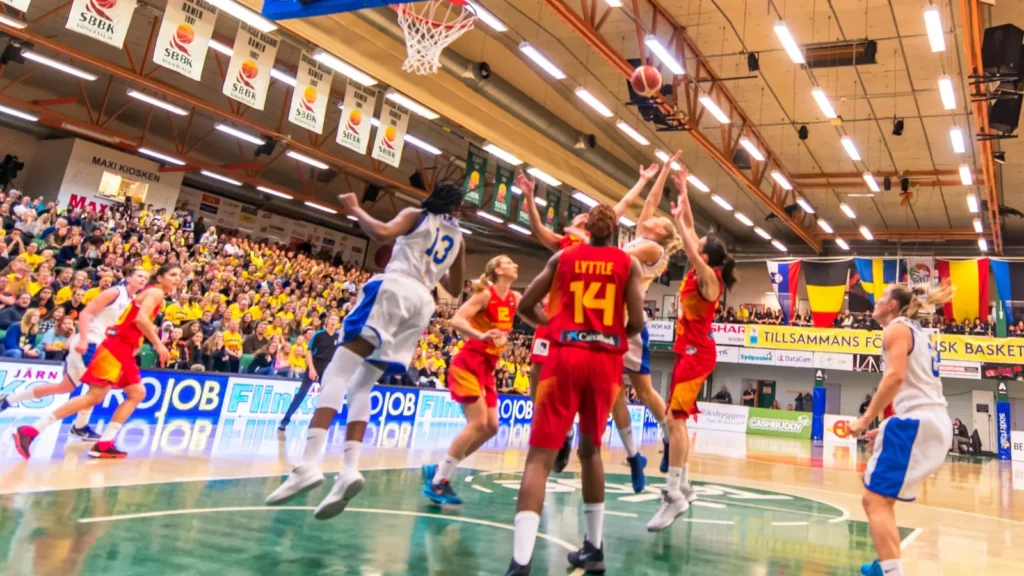
The WNBA’s officiating has drawn renewed attention as several disputed calls put referees under the spotlight. The league has already tightened its approach to physical play during the 2026 season.
Recent technical and flagrant foul decisions have added to the discussion. Now, the focus is turning to how those calls are made and reviewed.
A task force was created for 2026
The league formed an offseason officiating task force as part of a broader state-of-the-game effort involving coaches, general managers and other basketball stakeholders. Its purpose was to identify areas needing improvement and provide feedback on how physical play should be regulated.
The initiative followed repeated concerns about physicality and inconsistent foul enforcement. The league has continued reviewing plays and evaluating officiating during the season.
Freedom of movement became a priority
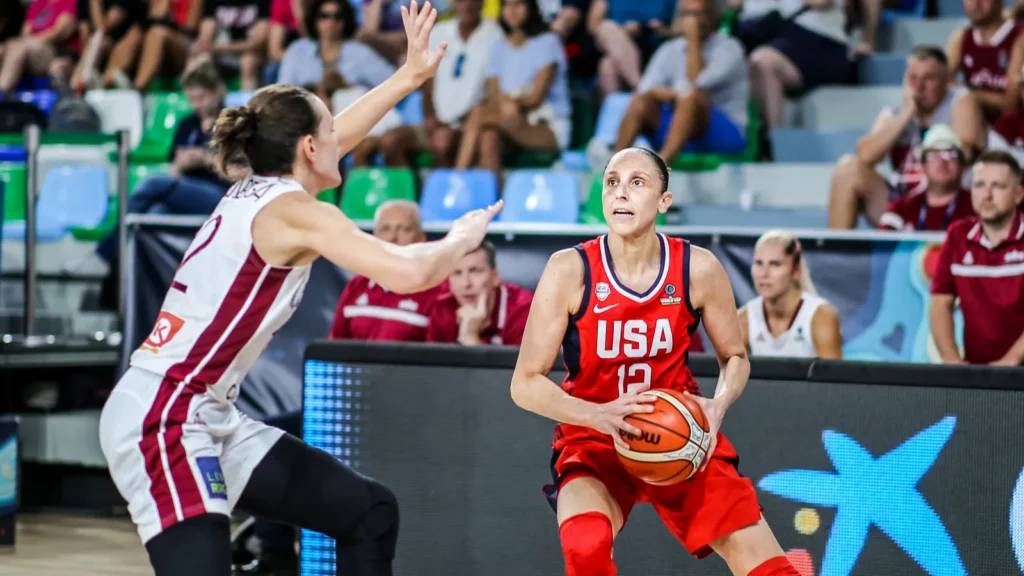
For 2026, officials were instructed to emphasize freedom of movement across perimeter, post and screening situations. The focus targets illegal contact that impedes players, cutters, or screeners and creates unnecessary physicality.
League officials and coaches said the adjustment would require time for players and referees to calibrate expectations. Early-season foul totals increased as officials applied the emphasis more tightly.

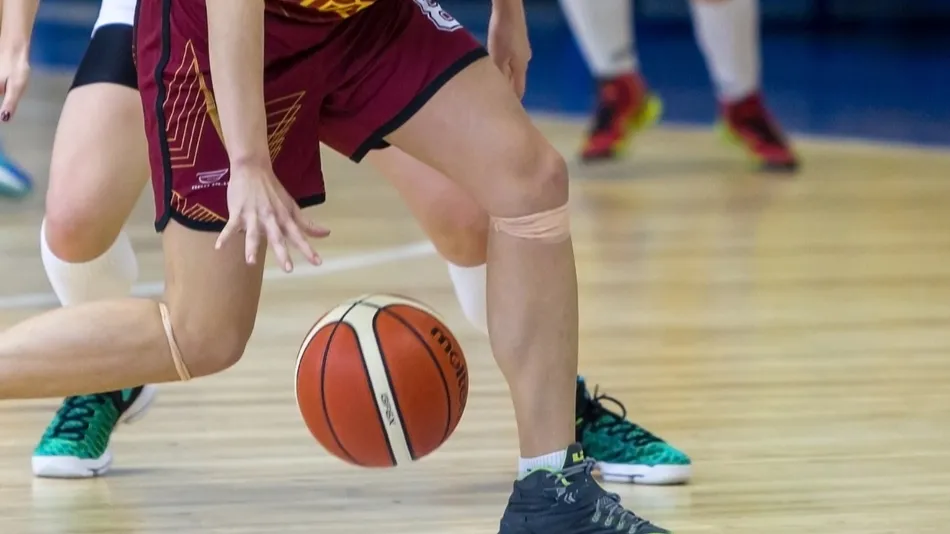
Foul totals climbed during the adjustment
Foul totals climbed during the adjustment
By late July, WNBA games were averaging 40.4 fouls, the league’s highest rate since 2008. Personal fouls and shooting fouls were also running above their 2025 levels.
The increase followed the league’s stronger emphasis on freedom of movement and unnecessary physical contact. A higher number of whistles, however, does not by itself establish that officials are applying calls inconsistently.
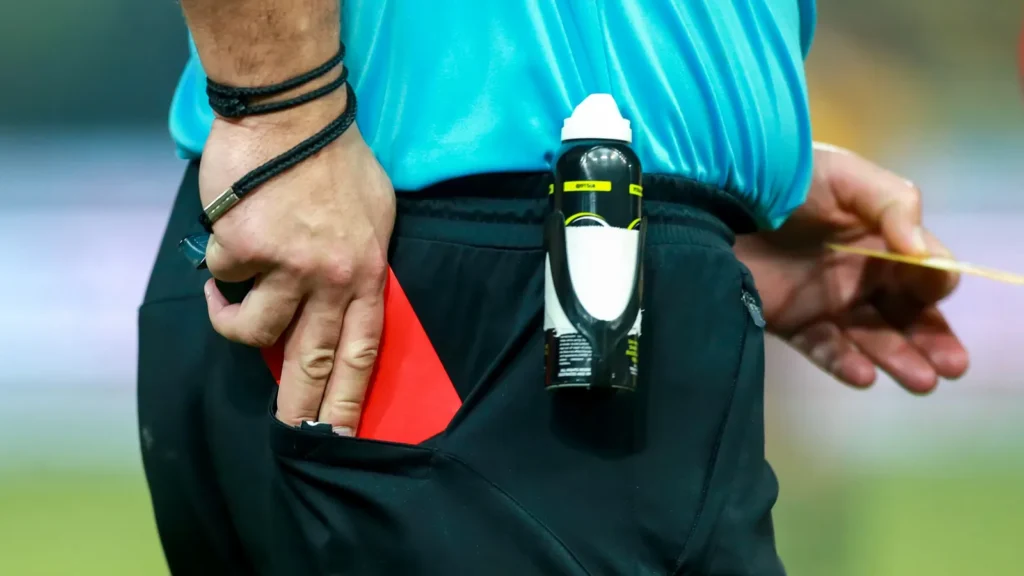
Officials received new development support
The WNBA added five referees to its 2026 staff after they worked in the NBA G League. The league also created a Referee Performance and Development Advisor position for longtime official Eric Brewton.
His responsibilities include supporting referee development and providing performance feedback. The moves give the league additional personnel and formal evaluation capacity.

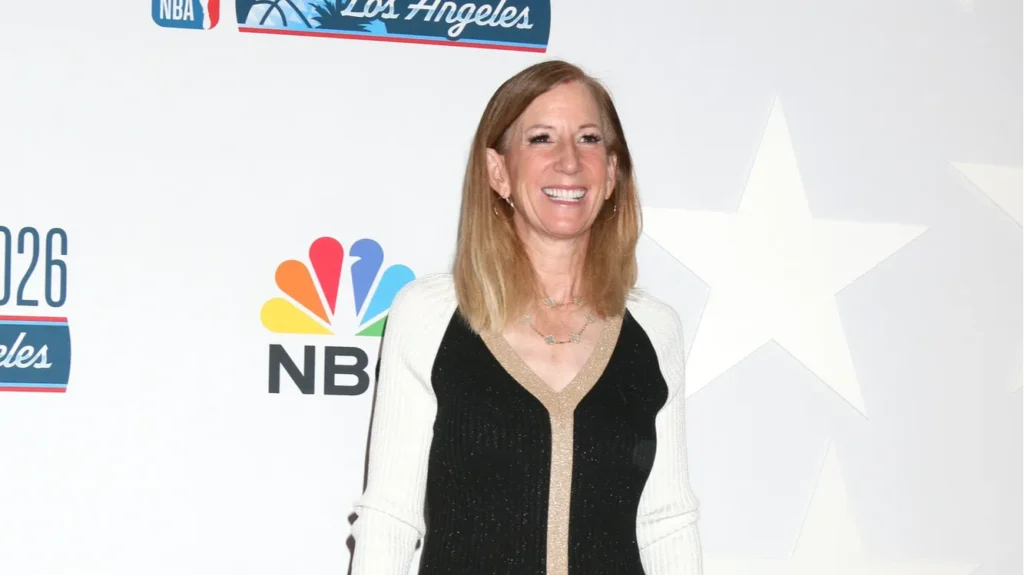
The league has acknowledged an adjustment period
WNBA commissioner Cathy Engelbert said players and officials were adjusting to the increased emphasis on freedom of movement. She described the change as producing more fouls while indicating that enforcement was becoming more calibrated over time.
Minnesota Lynx coach Cheryl Reeve also reported improvements in areas such as illegal screening and defensive impeding. Those comments came during July.

Caitlin Clark’s technical foul was rescinded
On August 8, Caitlin Clark received what was initially recorded as her eighth technical foul during Indiana’s win over Chicago. The call would have triggered an automatic one-game suspension under the league’s technical-foul rules.
The WNBA later rescinded the technical after reviewing the play, leaving Clark eligible for Indiana’s next game. The reversal became a major officiating story.
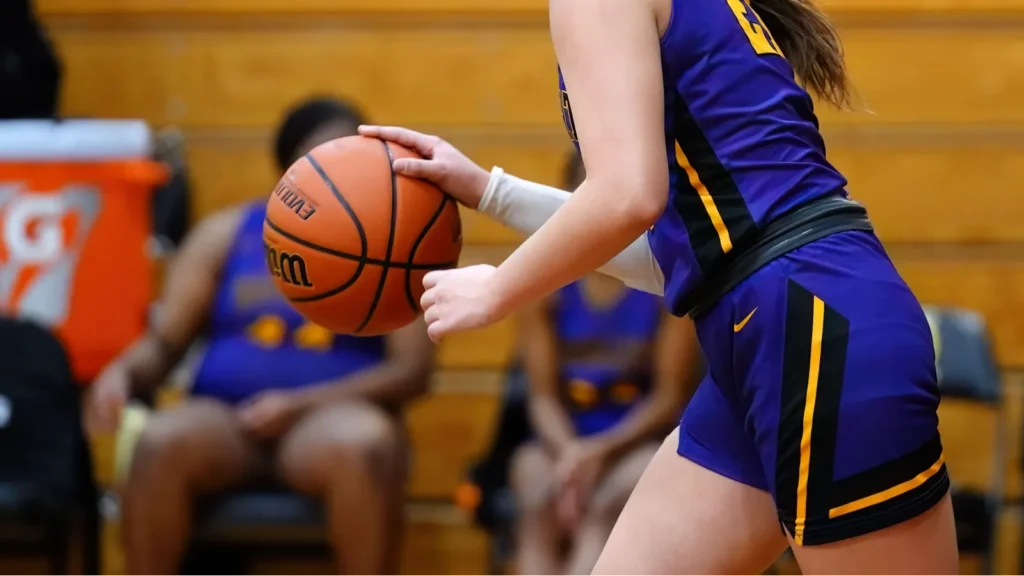
The play involved contact with an official
Clark’s technical followed contact with an official after she was forced out of bounds late in the third quarter. The initial ruling treated the contact as intentional, but subsequent review considered game footage showing Chicago’s Natasha Cloud may have contributed to Clark’s movement.
Indiana coach Stephanie White also received a technical while disputing the call. The league then removed Clark’s technical.
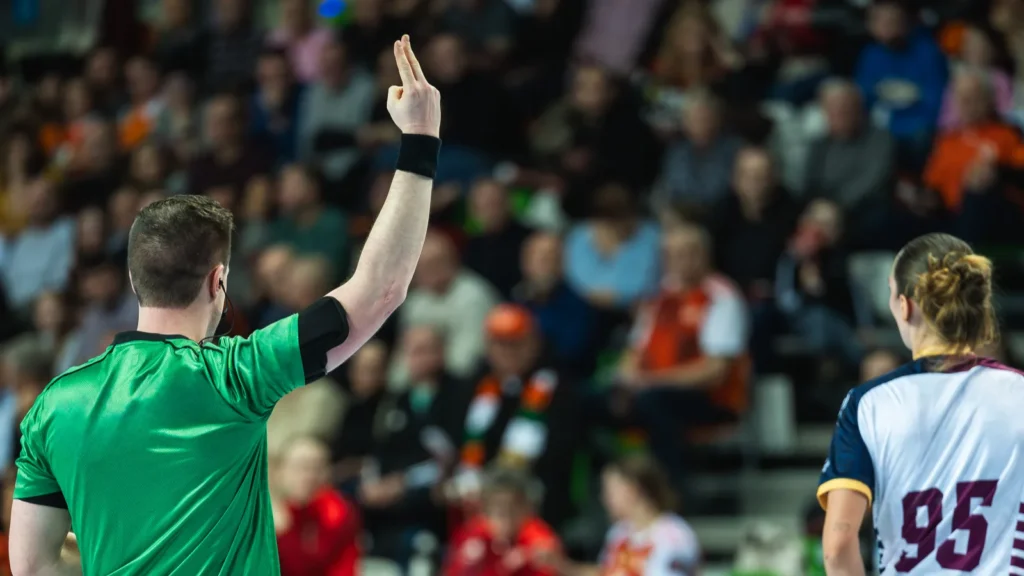
A flagrant 2 call intensified debate
On August 8, Chicago’s DiJonai Carrington was ejected after officials assessed a Flagrant 2 foul against Indiana’s Sophie Cunningham. The ruling followed contact involving Cunningham’s head and neck area during the game.
Indiana coach Stephanie White said the contact was not intentional but agreed the officials made the correct call. Carrington later publicly questioned the consistency of enforcement.
Interesting fact: The WNBA was founded in 1996, and its first season began in 1997.

Carrington called for consistent enforcement
After the ejection, Carrington posted “WHITE PRIVILEGE” and tagged the Fever on social media. The post became part of the public discussion surrounding the foul and its punishment.
Cunningham rejected the suggestion that racial bias influenced the decision and noted that she had previously been ejected for a hard foul. Carrington later clarified that her post was not about the ejection itself.
Interesting fact: The Houston Comets won the WNBA’s first four championships from 1997 through 2000.
Past criticism helped drive the changes
The 2025 season included prominent complaints about officiating, particularly around physical play and missed calls. ESPN reported that league sources found no correlation between recent playoff injuries and missed calls, despite criticism from players and coaches.
The WNBA nevertheless increased its focus on officiating for 2026. The current approach is therefore connected to concerns that predated this season.
Consistency remains difficult to measure
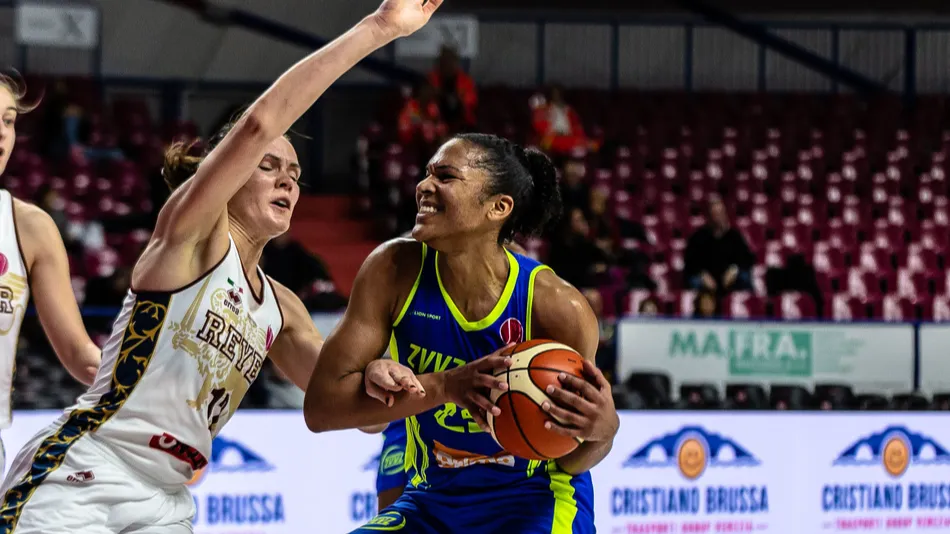
A disputed whistle does not automatically prove inconsistent officiating because different plays can involve different rule criteria and circumstances. The WNBA rule book establishes the rules officials apply, while the league can review certain plays and correct or reclassify calls.
Public debate often centers on whether similar-looking plays received similar treatment. Reliable conclusions about league-wide consistency require broader data rather than isolated clips.
The internet is also talking about Aaron Rodgers’ fake vaccine-card allegation taking new turn after Cam Newton speaks out.

The 2026 season remains under review
The WNBA has expanded officiating development while continuing to adjust enforcement during a season with increased attention on physical play. Recent technical and flagrant foul decisions have kept the subject in the news, but individual controversies do not establish league-wide misconduct.
The clearest documented trend is stronger enforcement and continued evaluation. Further assessment will depend on season-wide performance data.
In other news, Caitlin Clark and A’ja Wilson sequence sparks referee debate.
What do you think about the WNBA’s officiating changes and the recent disputed calls? Do you think officials are applying the rules consistently? Like this slideshow and comment with your take.
This slideshow was made with AI assistance and human editing.
Read More From This Brand: