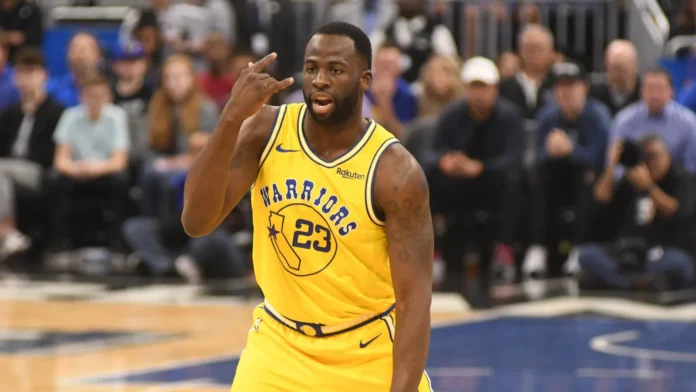
Draymond Green has spent years as the NBA’s lightning rod for what fans call “borderline” plays. So when a clip of Victor Wembanyama getting tossed for an elbow to the throat started making the rounds, Green’s reaction landed with extra weight.
On X, one fan argued that if Green had made the same contact, the outrage would be louder and the suspension calls immediate. Green didn’t dispute the double standard. He escalated it with a blunt line that neatly sums up his reputation in today’s NBA.
A hit and ejection
A widely shared video from Sunday’s playoff game shows Wembanyama swinging an elbow that catches Minnesota Timberwolves forward Naz Reid high in the neck area. Officials assessed a Flagrant 2 and ejected Wembanyama, the most severe in-game personal foul category. The play quickly became a flashpoint because it involves head and neck contact, which the league treats as a safety priority.
The debate quickly moved from whether the contact was intentional to whether the NBA would take further action. While an ejection does not automatically lead to a suspension, plays involving head or neck contact are often reviewed by the league office after the game. In this case, the focus turned to whether Wembanyama’s Flagrant 2 would result in additional discipline before the next game in the series.
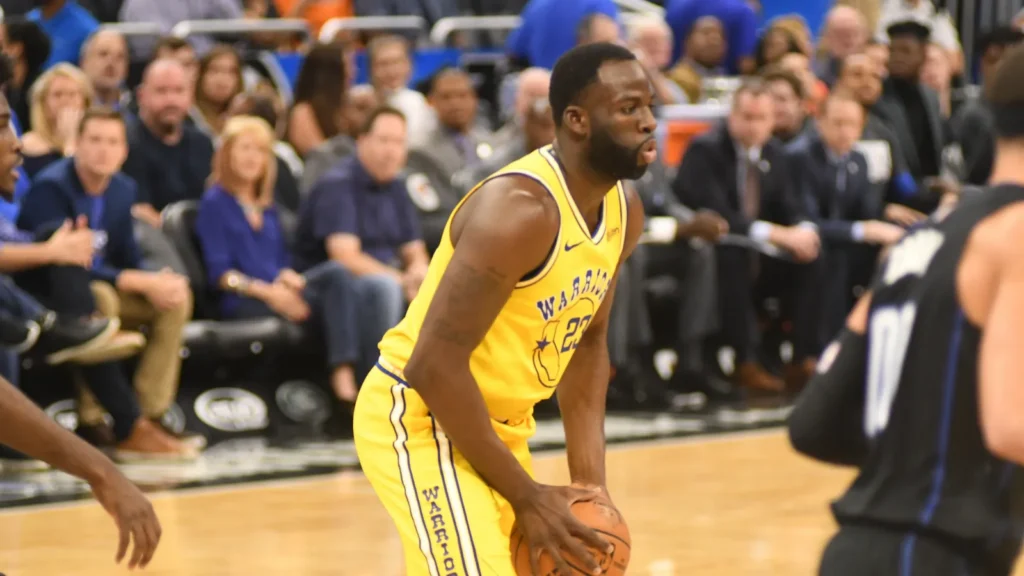
Green weighs in
The conversation took a sharper turn once it reached Draymond Green, who has repeatedly been disciplined for on-court conduct. After an X user suggested Green would be facing a suspension for the same act, Green replied, “Y’all have called for my career for less.” It was both a self-aware jab and a reminder that public perception can follow a player into every ruling.
Green’s point is not that Wembanyama should be punished more harshly. It is that reputations change how fans, and sometimes even observers around the league, interpret identical contact. In a sport where the league must judge intent, wind-up, and follow-through in real time, a player’s history often becomes part of the larger story.
Why history matters
The NBA has long considered prior incidents when issuing supplemental discipline, especially for repeat offenders. Green’s record is extensive and well-documented, including a 2016 NBA Finals suspension after accumulating flagrant foul points and multiple recent suspensions in 2023 for on-court altercations. That history shapes expectations because the league has explicitly tied escalating penalties to repeated behavior.
Wembanyama, by contrast, does not have a comparable track record at the NBA level. When a player is early in his career, the league can treat a dangerous play as a serious one-off rather than part of a pattern. That difference is why many fans assume Green would not get “the benefit of the doubt,” even if the contact looked the same on replay.
Fun fact: Draymond Green was suspended for Game 5 of the 2016 NBA Finals after reaching the league’s flagrant foul points threshold.
How NBA reviews work
A Flagrant 2 means officials judged the contact as both unnecessary and excessive, and the rule calls for an automatic ejection. After the game, the NBA can still review the play for potential fines or suspensions, using video angles that refs do not always get in the moment. The league typically weighs factors such as severity, whether the action was retaliatory, and whether an opponent was placed at heightened risk.
The process can also include context that a short clip may miss. Was the elbow a natural motion during a spin, or was it a targeted strike after a whistle or confrontation? Those details matter because the league tries to discourage dangerous contact without turning every hard foul into a suspension.
What a suspension means
If the league issues a suspension, it would remove Wembanyama from a single game or more, depending on what it determines about intent and force. In a tight playoff series, one missed game can swing matchups, rotations, and late-game shot creation, especially for a team built around a star’s two-way impact. That is why teams often lobby privately and publicly, arguing that an ejection should be considered punishment enough.
There is also a practical lesson for fans trying to predict outcomes. The NBA’s discipline decisions are not just about what happened, but about what it wants to discourage next time across the league. Head and neck contact tends to be treated with special seriousness, which is why players, coaches, and front offices watch these rulings as signals for where the line will be drawn.
Little-known fact: A Flagrant Foul Penalty 2 is defined as unnecessary and excessive contact and results in an automatic ejection under NBA rules.
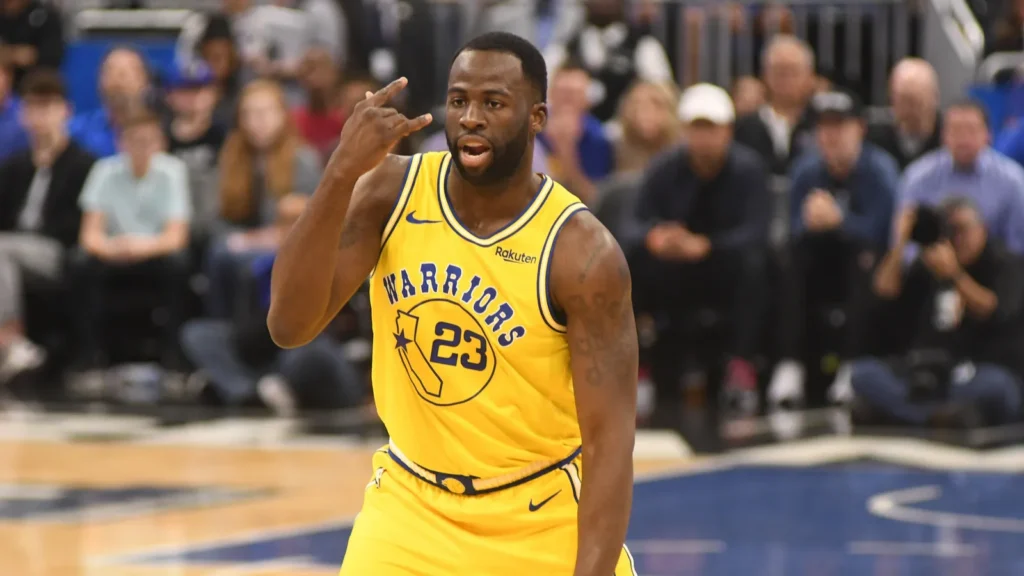
Bigger debate on consistency
Draymond Green’s comment taps into a long-running complaint that similar plays can produce different outcomes depending on who commits them. Stars, role players, repeat offenders, and first-timers all carry different baselines in the public mind, and that pressure can shape the noise around a decision. Even when the league insists it judges each play independently, consistency is judged by fans through comparisons.
At the same time, treating every incident identically can ignore real differences that matter to safety and fairness. A player’s history can be relevant because it speaks to deterrence, while a first-time offender might respond to a smaller penalty. The hard part for the NBA is making the reasoning legible, so “consistency” does not look like “guesswork” when the next controversial clip hits the timeline.
TL;DR
- Victor Wembanyama was ejected with a Flagrant 2 after an elbow caught Naz Reid in the neck area in Sunday’s game.
- The league can still issue a fine or suspension after an in-game ejection based on postgame review.
- Draymond Green responded to a fan on X by saying, “Y’all have called for my career for less.”
- Green’s disciplinary history is a major reason many believe he would face less benefit of the doubt on a similar play.
- The NBA typically weighs severity, risk, and context when deciding supplemental discipline.
- Any suspension in the playoffs can reshape a series immediately because rotations and matchups tighten.
If you liked this story, don’t forget to follow us for more exclusive content.
This article was made with AI assistance and human editing.
If you liked this, you might also like: