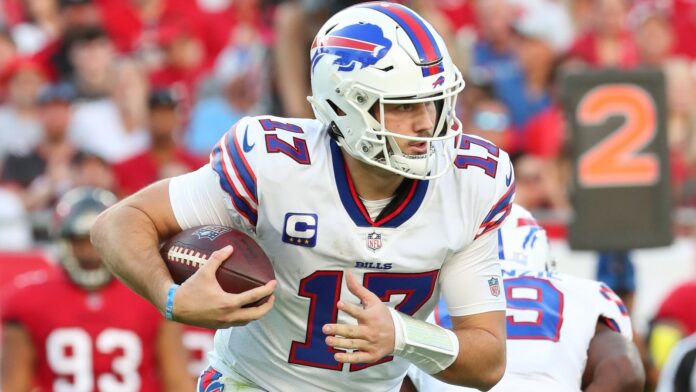
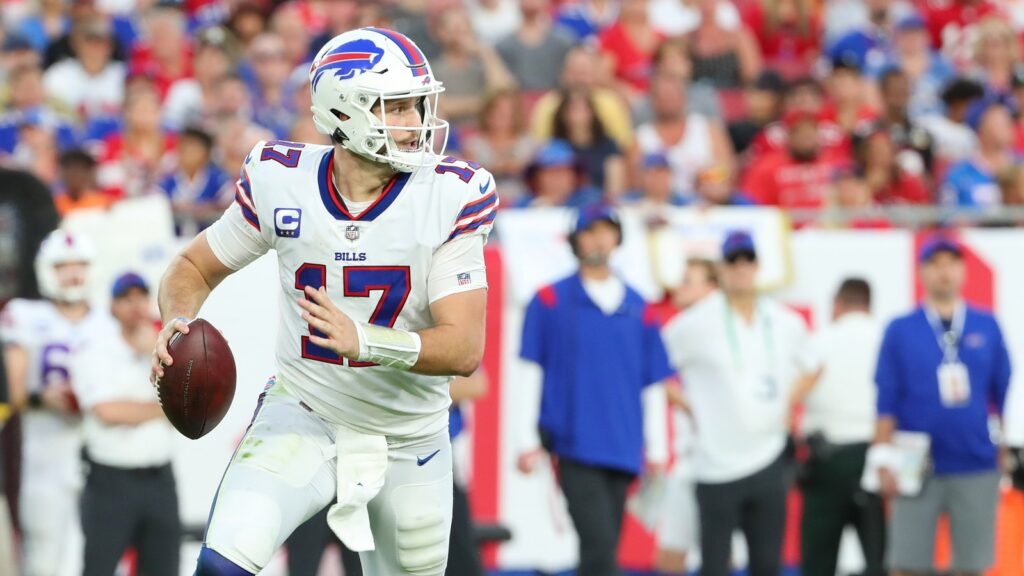
Josh Allen describes painful turf burns
Josh Allen described painful turf burns on his legs and said artificial surfaces can leave him feeling worse the following day. The Buffalo Bills quarterback has publicly expressed a strong preference for natural grass fields and said grass feels better for his body during football activities.
Allen, who won the 2024 NFL Most Valuable Player award, said artificial turf used during indoor practices affects how he feels the next morning. He described his comments as his personal experience and preference for natural playing surfaces.
Josh Allen feels turf effects next day
Allen said artificial turf affects him beyond game day, as he notices its impact the following morning. Outdoor work on natural grass, he explained, leaves his body feeling much better after comparable practice sessions.
He also said many players would likely describe a similar difference between playing surfaces. Allen framed those comments as personal experience and a teammate’s perspective rather than scientific evidence that applies equally to every NFL athlete.
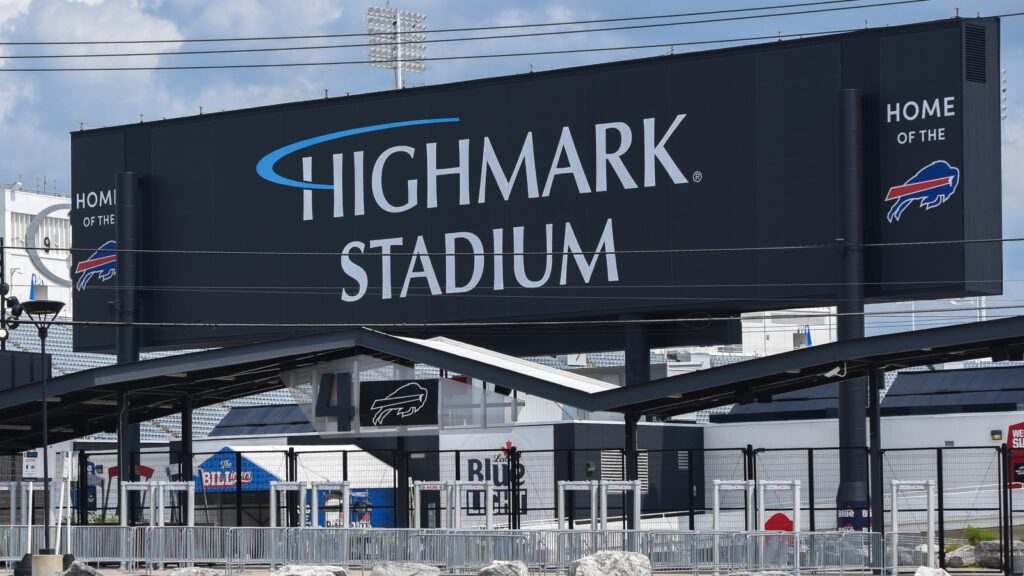
Josh Allen gets grass at Highmark Stadium
Buffalo opened the new Highmark Stadium in 2026 with a natural grass playing surface. The stadium replaced the Bills’ former home and features a listed seating capacity of about 60,108 seats.
The Bills previously played home games at Highmark Stadium’s predecessor, which used artificial turf. Josh Allen welcomed the move to a natural grass surface and said he was pleased the team would no longer play its home schedule on that type of field.
NFL World Cup fields fuel player push
Several NFL stadiums installed natural grass for the 2026 FIFA World Cup. Some venues that had previously used artificial turf later returned to synthetic surfaces when professional football preparations resumed after the international tournament.
Those temporary conversions drew attention from players seeking permanent grass fields. Caleb Williams, Jonathan Taylor, Laremy Tunsil, and George Kittle publicly supported wider use of natural surfaces for NFL games and team activities.
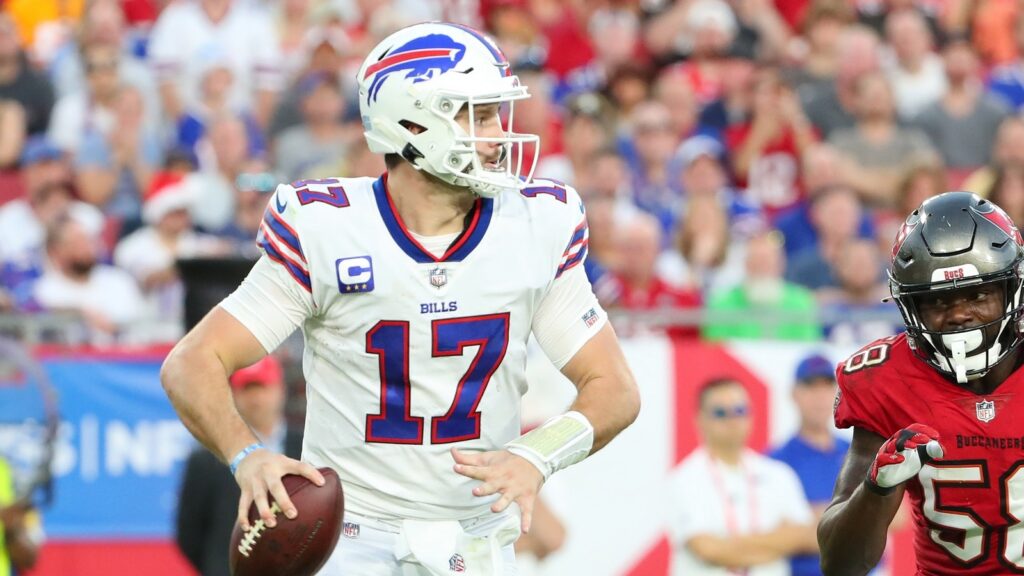
NFL data finds little 2025 difference
The NFL’s 2025 review found little difference between surfaces in one measured category. Time-loss non-direct-contact injury rates were 0.43 on artificial turf and 0.42 on natural grass during that completed season across league games.
The league said that the difference was not statistically meaningful, marking a third straight season without a clear gap in that category. NFL officials continue emphasizing surface quality, consistency, testing, maintenance, and footwear interaction.
Study finds higher earlier turf injuries
A 2024 peer-reviewed study reached a different result using publicly available records from 2021 and 2022. Researchers found 1.42 lower-extremity injuries per artificial-turf game and 1.22 on natural grass during those two NFL seasons.
The same study found that players injured on artificial surfaces had 1.60 times the odds of requiring season-ending surgery compared with those on grass. Researchers reviewed 718 lower-extremity cases recorded across the two seasons included in the analysis.
Earlier study also favors natural grass
Another peer-reviewed study examined NFL regular-season games from 2012 through 2016. Researchers found synthetic turf produced a 16% higher lower-extremity injury rate per play than natural grass during that five-season study period.
The study found a bigger difference when researchers focused on noncontact and surface-contact cases. Its authors concluded that synthetic turf was associated with higher rates of lower-body injuries in the NFL dataset they examined at the time.
Research uses different injury measures
Research does not yield a single universal answer because studies use different seasons, definitions, field products, and methods. Newer league data and earlier independent research can therefore reach different conclusions about playing-surface injury patterns.
The NFL measures time-loss non-direct-contact injuries, while independent studies have examined broader lower-extremity outcomes and surgery rates. Those differences make direct comparisons difficult unless researchers use matching definitions, seasons, populations, categories, and methods.

NFL players launch grass field campaign
NFL players renewed their grass campaign after World Cup venues showed that natural surfaces could be installed inside stadiums, normally using turf. The NFL Players Association supported the message during its July WorthTheCost campaign.
Players, including Williams, Taylor, and Tunsil, argued that football athletes deserve similar investment in natural surfaces. Their campaign emphasized player preference and safety without claiming that artificial turf causes every injury during NFL games.
Jerry Jones defends artificial turf
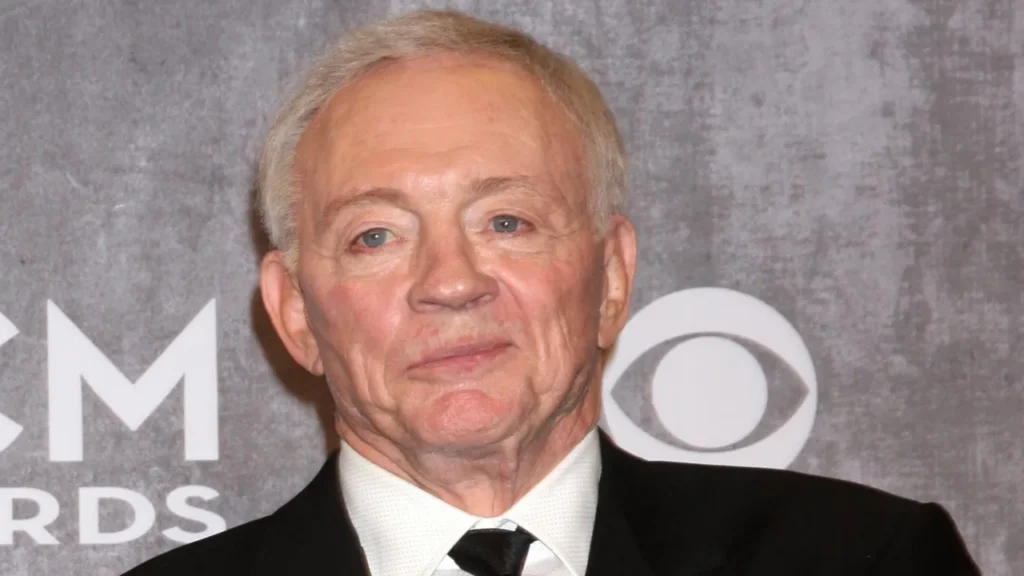
Dallas Cowboys owner Jerry Jones has defended the use of artificial turf at AT&T Stadium, citing flexibility and economics. In April 2026, he said Dallas did not believe natural grass was safer for professional football players there.
AT&T Stadium installed natural grass for World Cup matches because FIFA required suitable surfaces. Jones said Dallas planned to restore the artificial turf afterward and valued the stadium’s ability to host a variety of events throughout the year.
Fun fact: Josh Allen is known around the Bills for casually dropping so many Will Ferrell movie quotes that teammates practically treat him like an encyclopedia.
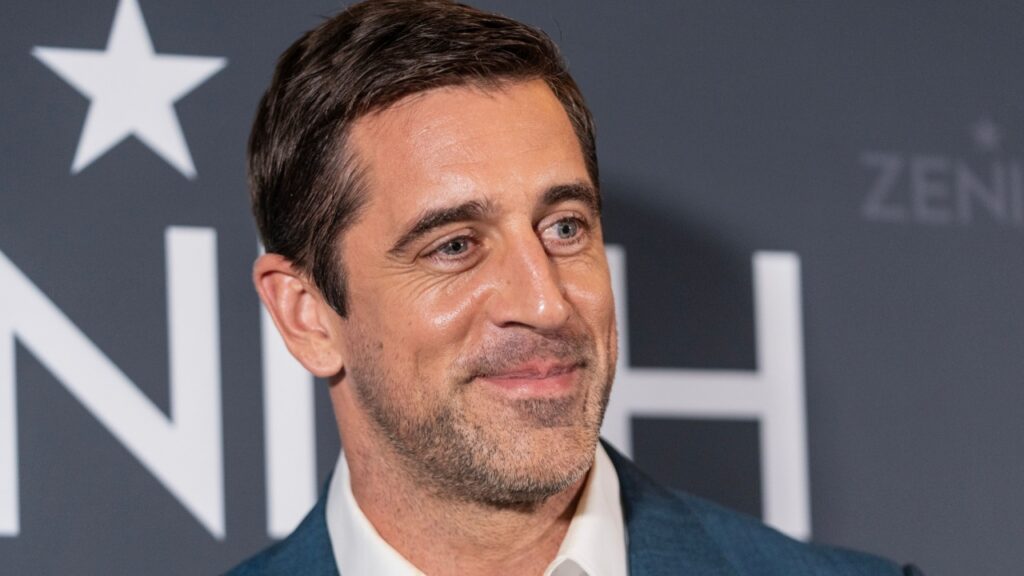
Aaron Rodgers injury renewed debate
Aaron Rodgers’ 2023 Achilles injury at MetLife Stadium intensified the national turf debate because the venue uses a synthetic surface. The incident prompted renewed calls from the NFL Players Association leadership for natural grass fields afterward.
The playing surface was never established as the cause of Rodgers’ injury. Reporting at the time stressed that its role remained unclear, making the incident part of the discussion rather than proof against artificial turf.
NFL adds stricter surface standards
The NFL and NFL Players Association introduced updated playing-surface requirements before the 2026 season. Standards cover natural grass, synthetic turf, hybrid fields, practice surfaces, testing, maintenance, inspections, certification, and other performance requirements across venues.
Required checks include impact testing, visual inspections, grass moisture measurements, and synthetic-field infill measurements. The league also uses specialized equipment to study cleat traction and energy absorption across different playing surfaces before competition begins.
NFL players have renewed calls for natural grass after World Cup stadium conversions showed temporary changes were possible. Wondering whether teams will make them permanent? Explore the player push, safety debate, and stadium economics shaping the decision.
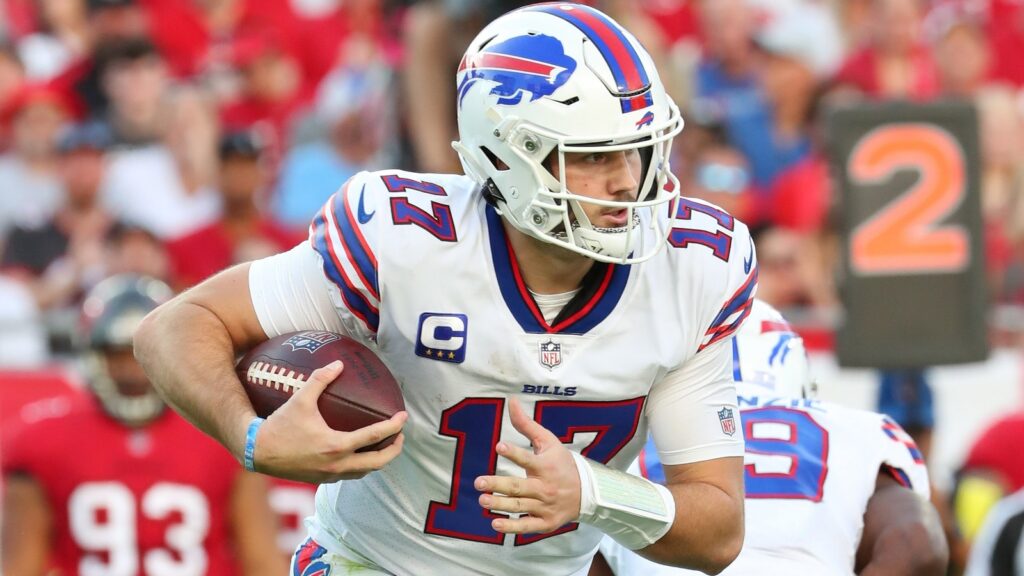
Josh Allen wants grass across the NFL
Allen said he would choose natural grass for every NFL team if he could make that decision himself. His comments add another prominent quarterback to a long-running discussion involving players, owners, researchers, and safety officials.
The disagreement persists because personal experience, independent research, league data, stadium operations, and field technology do not always point in the same direction. Allen’s own position remains clear because he strongly prefers natural grass surfaces.
The NFL has officially ended the Pro Bowl, closing a long-running chapter of its all-star tradition. Wondering what replaces it and why the league made the change? Dive into the decision and what comes next.
Josh Allen says artificial turf leaves his body feeling worse than natural grass, while NFL research remains mixed. Should every NFL stadium switch to grass? Share your thoughts in the comments below!
This slideshow was made with AI assistance and human editing.
Read More From This Brand: