
A rule designed for participation sparks fresh debate in Williamsport
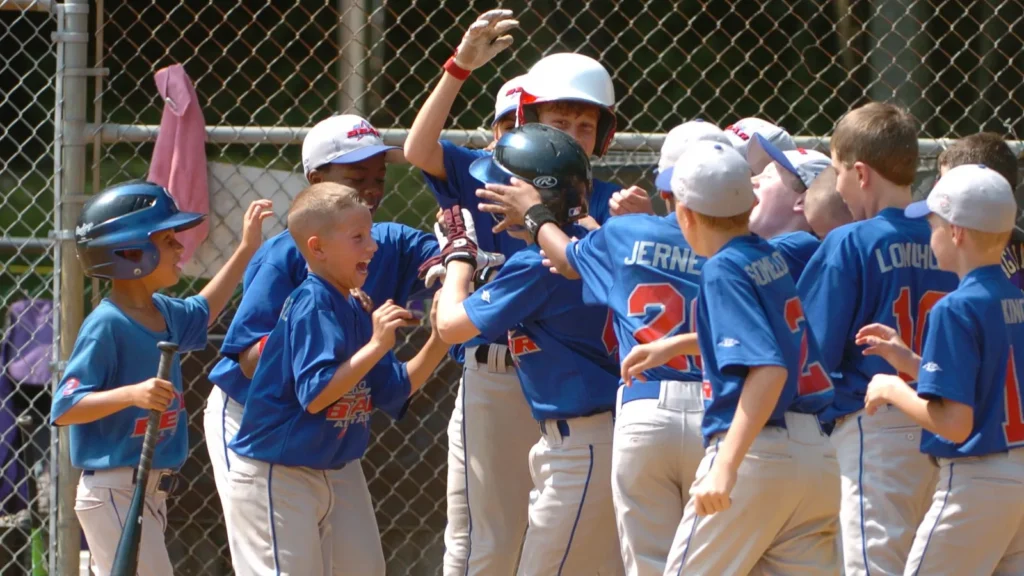
The Little League World Series is putting more than young talent on display this year. A tournament rule requiring every eligible player to bat has sparked fresh discussion among parents and fans watching the action in Williamsport.
While the rule is designed to give players opportunities, questions are emerging about how it affects strategy and playing time. Here’s what you need to know about the debate.
The rule requires every player to bat
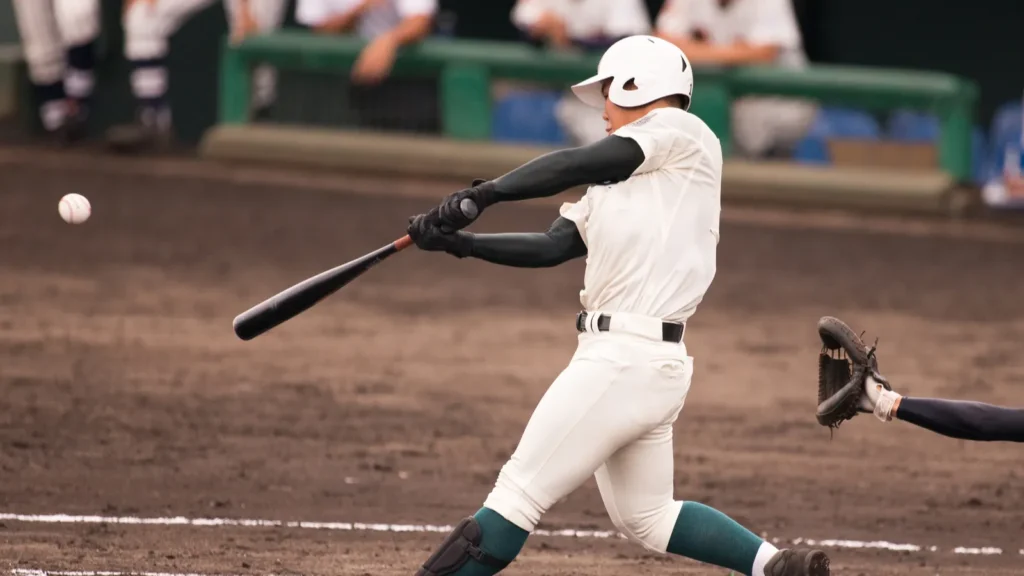
Under Tournament Rule 9, all players on the team affidavit who are present at the start of an applicable game must appear in the batting order. Each player bats in the assigned spot as the lineup moves continuously through the game.
The rule covers tournament divisions below Senior League. The Little League division competing in Williamsport is covered by the rule.

Why Little League changed the system
Little League said the previous tournament mandatory-play system used different requirements based on roster size and game situations. The organization said those requirements were complex for coaches, scorekeepers and umpires to track, leading to mandatory-play violations.
Beginning in 2023, continuous batting order replaced that system. Little League said the change was designed to simplify administration while preserving meaningful playing opportunities.
Tournament rosters shape the lineup
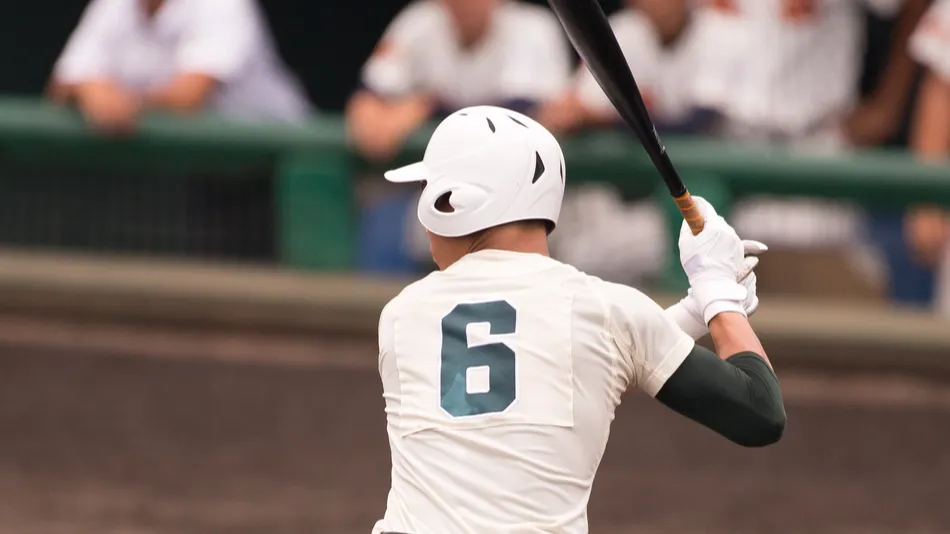
Little League says International Tournament teams in Junior League and below normally have at least 12 and no more than 14 players. Because applicable players must bat, those teams can have batting orders longer than the traditional nine-player lineup.
Teams with fewer than 12 players require a waiver from the District Administrator. The waiver does not remove the continuous batting-order requirement.

Longer lineups can mean fewer at-bats
With more than nine players batting, a hitter can receive fewer plate appearances during a six-inning game because the lineup takes longer to cycle. A 12-player lineup requires 12 batters to complete one trip through the order before the first batter returns.
Current criticism has focused on that effect. Little League has not changed the 2026 batting-order requirement.
Tournament play differs from regular-season play
Regular-season Little League rules require each rostered player present at the start to play at least 6 defensive outs and record at least 1 at-bat. Tournament Rule 9 uses continuous batting order instead for applicable divisions, so players are guaranteed a batting-order position rather than a defensive-out requirement.
A player may bat without being required to play defense, and Senior League is excluded from this tournament provision.
Interesting fact:The first Little League World Series, then called the National Little League Tournament, was played in Williamsport, Pennsylvania, in 1947.
Batting and defense are handled separately
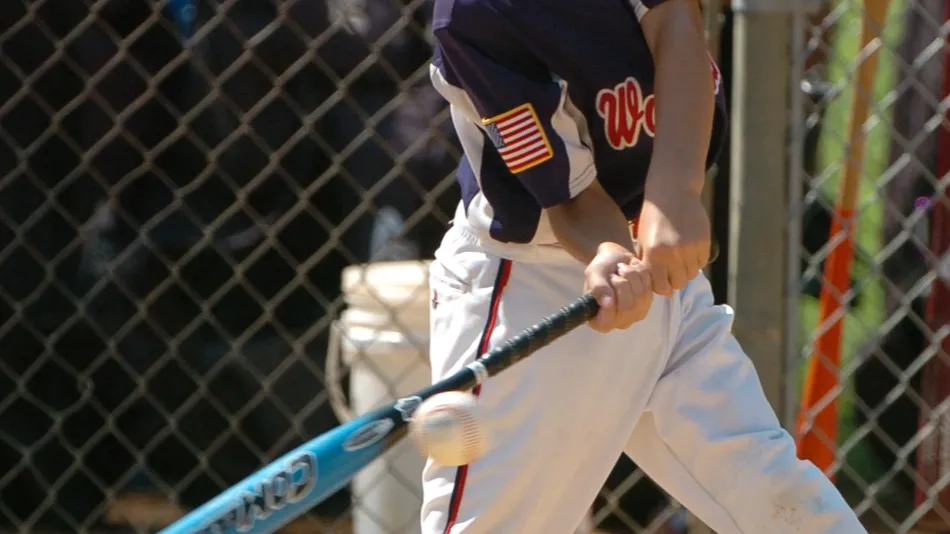
Continuous batting order determines where applicable players hit, but it does not require each player to play defense. Little League allows players to be entered and re-entered defensively during tournament games, subject to the tournament’s other position and substitution rules.
This means a player can remain in the batting order while sitting out defensively. Managers control defensive deployment within those rules.

The rule is in effect at Williamsport
The 2026 Little League Baseball World Series is being played in South Williamsport, Pennsylvania, from August 19 through August 30. The event follows Little League International’s tournament rules, including continuous batting order for the divisions covered by Tournament Rule 9.
The policy is not unique to Williamsport. It has governed applicable tournament divisions since the 2023 season.
Interesting fact: Despite its “World Series” name, the tournament initially did not have separate U.S. and international brackets. MLB notes that 1976 was the first year the competition was divided into U.S. and International brackets.
The 2026 rules include a clarification
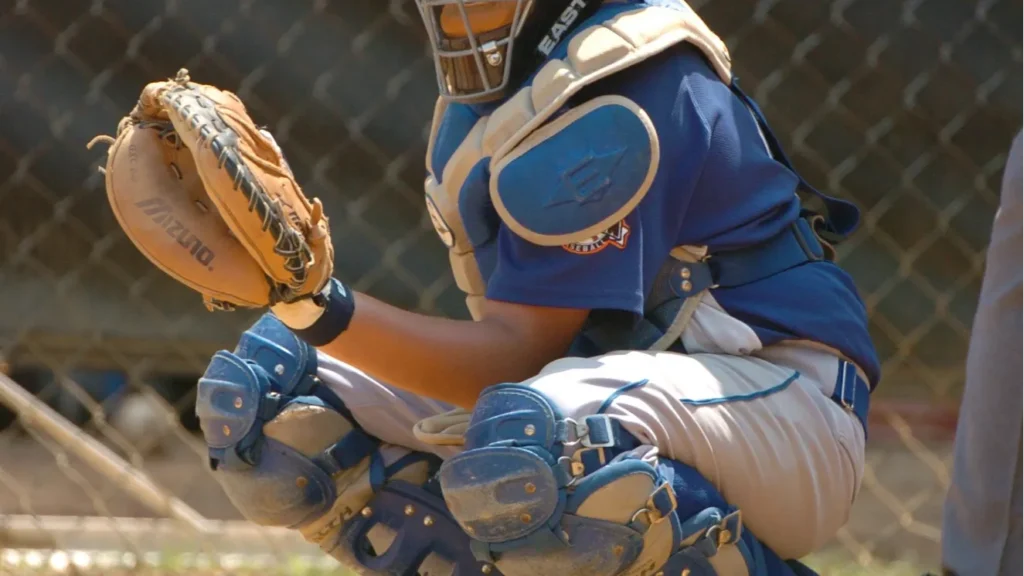
Little League’s 2026 rule changes include a clarification involving continuous batting order during tournament play. The update says a courtesy runner may be used for the pitcher or catcher of record before that player completes applicable mandatory-play requirements.
The clarification does not replace continuous batting order. It addresses a specific running situation while the batting structure remains in place.
Courtesy runners have specific limits
In the applicable tournament divisions, a team may use a courtesy runner for the pitcher or catcher of record when there are 2 outs. Under continuous batting order, the courtesy runner must be the player in the batting order who made the last out.
If both are on base with 2 outs, courtesy runners may be used for both. Senior League has different provisions

The debate focuses on lineup strategy
Critics of continuous batting order argue that requiring every applicable player to bat can reduce opportunities for a team’s strongest hitters. Supporters can point to the rule’s guarantee that every player present at the start appears in the batting order.
Current 2026 coverage shows the disagreement has reached parents and fans. Little League’s current rules continue to require continuous batting order.

Participation remains part of the system
Little League says continuous batting order was created to give tournament players meaningful opportunities while making mandatory-play administration easier. Under the system, every applicable player present at the start is placed in the batting order and remains responsible for that lineup spot.
The 2026 tournament is operating under those rules. Any rule change would have to be made through Little League’s established process.
The internet is also talking about why was Pete Alonso’s go-ahead home run denied after MLB replay review?
What parents should know in 2026
Parents watching the 2026 World Series should know that applicable players present at the start of a game must appear in the batting order. They should also distinguish batting participation from defensive playing time because Tournament Rule 9 does not require each player to complete a set number of defensive outs.
The continuous batting order remains in effect. Senior League is the exception.
In other news, Shohei Ohtani’s two-homer night comes with even bigger Dodgers news.
Should Little League keep the continuous batting order, or should teams return to a traditional nine-player lineup? Like this post and comment with your take!
This slideshow was made with AI assistance and human editing.
Read More From This Brand: